Apple’s Security Update Addresses iPhone Vulnerability
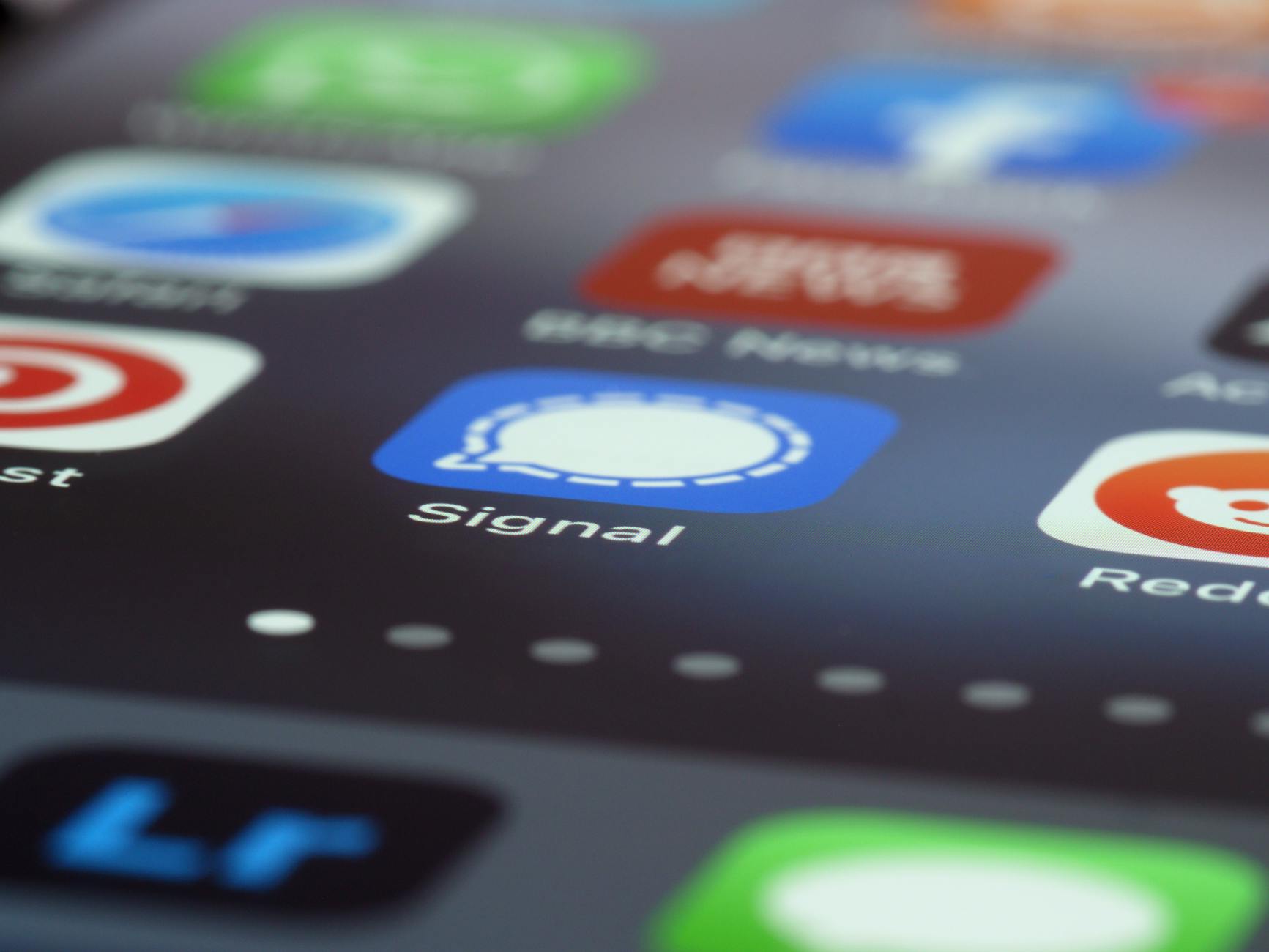
Apple on April 22 released an updated version of iOS to patch a security flaw that allowed the FBI to recover deleted Signal messaging notifications from iPhones. The fix, part of iOS 26.4.2 updates, comes in response to revelations that sensitive information could be accessed even after users removed the app.
The vulnerability was identified by security researchers who pointed out that deleted notifications from Signal were retained in the iPhone’s database, rendering user privacy at risk. This situation gained attention when the FBI managed to extract these deleted messages from a defendant’s device, raising alarms about the practicality of such data breaches for law enforcement. Industry experts suggest that this incident underscores the need for stricter security measures on personal devices, especially amid increasing scrutiny around user data management.
Details of the Update
In the latest update of iOS 26.4.2, which also applies to iPadOS systems, Apple implemented a series of security enhancements aimed at preventing similar access to sensitive information. The company confirmed that not only does the update fix the bug, but it also retroactively cleans any notifications that were mistakenly saved after deletion, ensuring that previously compromised data cannot be recovered.
Furthermore, Apple stated that iOS 26.4.2 is designed to provide better data redaction and logging for apps using Notification Services, enhancing overall privacy. This update, which weighs in at approximately 772 MB, is available for all iPhones released from 2019 onward, reflecting Apple’s commitment to user security as a priority in its product ecosystem.
Despite previous user anticipation of new features in Siri, this update focuses primarily on essential fixes and security updates, an indication of how critical the situation has become given the ongoing evolution of threats to digital privacy and security.
Implications for Privacy and Security
The incident raises broader legal and ethical concerns regarding the extent to which authorities can access user data through digital devices. With cybersecurity experts advocating for stricter regulations surrounding device security, there is a budding debate over balancing user privacy against legitimate law enforcement needs. Experts suggest that Apple’s rapid response demonstrates an acute awareness of these challenges as well as a willingness to adapt quickly.
As smartphone users become increasingly cognizant of their digital footprint, Apple’s swift action may not only reinforce its image as a privacy protector but could also set a precedent for other tech companies to follow. Given the reliance on messaging applications like Signal for private communications, addressing potential gaps in security related to these platforms is paramount.
Analysts speculate that Apple’s proactive approach could prompt updates and policies across other tech giants, as users demand higher scrutiny and assurance regarding their data. As authorities worldwide adopt similar surveillance technology, securing personal devices will increasingly become a top priority for developers and manufacturers alike.