Bank of Japan Officials Advocate for Interest Rate Hike
Three senior members of the Bank of Japan (BOJ) expressed their support for the first interest rate hike in nearly a decade during discussions earlier this week, a move intended to address rising inflationary pressures in the country. This announcement significantly strengthened the Japanese yen while contributing to a decline in Bitcoin prices.
In recent months, Japan has grappled with an inflation rate that accelerated, reaching 1.8% in March as the geopolitical crisis in Iran elevated global oil prices. Addressing these concerns, the BOJ acknowledged the necessity of transitioning from an ultra-loose monetary policy, which had been in place since 2016, to combat inflation effectively. The anticipated shift signals potential changes in long-term growth strategies, as analysts assess the implications of such a policy on global markets.
Market Reaction to BOJ’s Stance
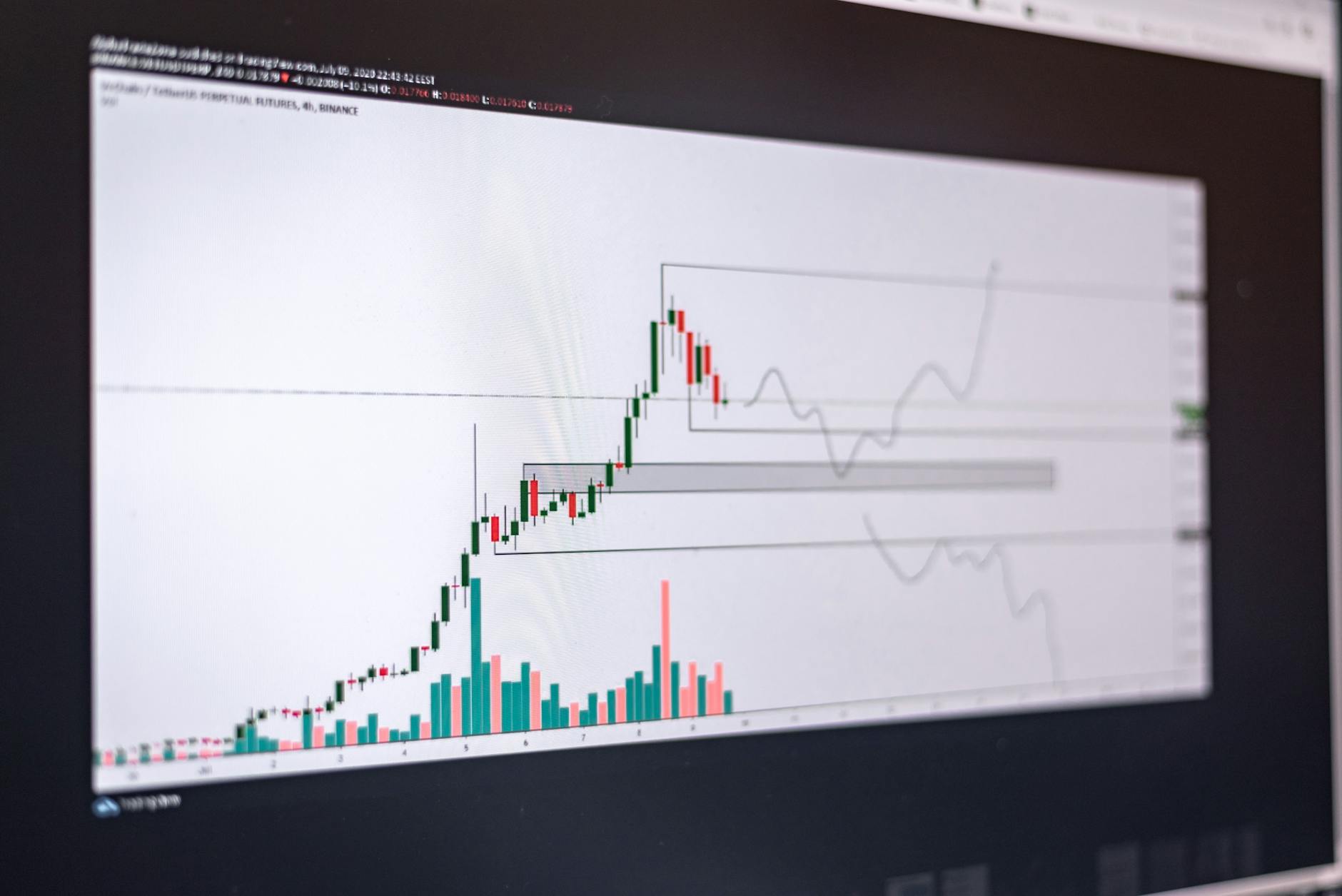
The yen saw a remarkable recovery in response to the BOJ officials’ statements, reflecting investor confidence in Japan’s commitment to tackling inflation. As the currency strengthened, Bitcoin suffered a countertrend decline, with on-chain activity declining significantly. Analysts noted a correlation between the rise of the yen and the slump in Bitcoin, suggesting that investors may have shifted to more stable assets amid rising interest rate expectations.
This trade-off highlights the current uncertainties prevailing within both foreign exchange and cryptocurrency markets, as global investors re-evaluate their portfolios against the backdrop of inflation and monetary tightening. With rising energy prices and increased costs of living stirring public concern, the implications for Japan’s economic trajectory could be profound.
As cash inflows into Bitcoin markets have slowed, the digital asset may face further headwinds. A decline in investor interest in speculative assets like Bitcoin often follows a strengthening fiat currency. This relationship could presage a more cautious stance among crypto enthusiasts as traditional monetary frameworks regain influence over market dynamics.
Implications of Potential Rate Hike
Looking ahead, economic analysts are closely monitoring the BOJ’s decisions and their timing. Current speculation suggests that the expected rate hike could happen as early as June, contingent upon inflation trends. This forthcoming adjustment could reshape investment strategies in foreign exchange, equities, and cryptocurrencies alike, as stakeholders adapt to a new economic reality.
The pivotal question remains how effectively the BOJ can balance inflationary pressures without compromising Japan’s fragile growth. Experts like Aidan Yao from Amundi suggest that while the BOJ remains cautious, external pressures, such as conflicts affecting energy markets and supply chains, could complicate its monetary policy. As global GDP growth forecasts continue to weaken, the approach taken by Japanese policymakers could set a precedent for other central banks navigating similar situations.