
Bhutan’s Bitcoin Holdings Decline
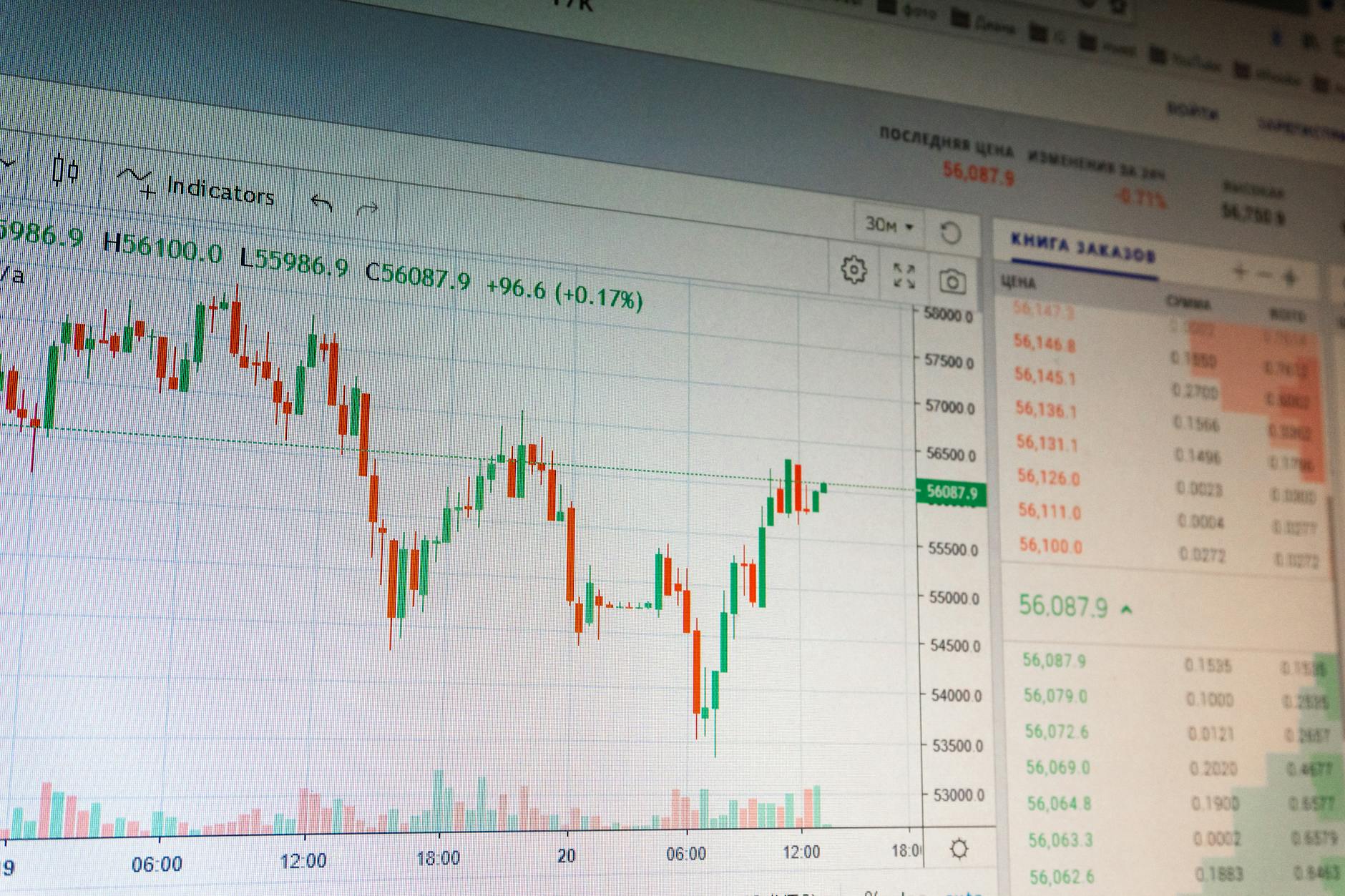
Druk Holding & Investments, Bhutan’s sovereign investment arm, sold 319.7 BTC (approximately $23 million) on April 9, 2026, reducing the kingdom’s total Bitcoin holdings to 3,954 BTC. This latest sale reflects a significant pivot in Bhutan’s cryptocurrency strategy amid broader economic shifts.
Since 2025, Bhutan has gradually decreased its state-held Bitcoin reserves, causing concern among economic analysts about the implications for the nation’s financial stability. The transactions are part of a broader trend where the government appears to be moving away from a hard-currency strategy, reflecting an increased need for liquidity and investment diversification. Bhutan’s unique position as a state with substantial cryptocurrency assets had previously drawn global attention, particularly as it adopted Bitcoin as part of its fiscal strategy.
Continued Pressure on Bitcoin Assets
The recent sale underscores the increasing pressure on Bitcoin as a viable state asset, highlighting challenges posed by global market volatility. Various entities in the crypto industry—such as miners and other sovereign entities—have also struggled with declining prices and rising operational costs. For instance, in March 2026, Cango, one of the largest Bitcoin mining companies, sold 2,000 BTC to reduce debt, further exposing market vulnerabilities.
Market analysts are weighing the ramifications of Bhutan’s decision alongside other strategic moves by global miners, such as Riot Platforms, which reported significant treasury selloffs amid mounting operational costs and changes in energy usage. This trend is indicative of a broader recalibration within the cryptocurrency sector, as companies seek to stabilize their positions in a turbulent market environment.
What Comes Next for Bhutan
Looking ahead, Bhutan’s future in cryptocurrency hinges on its ability to balance investment diversification and a sustainable finance strategy. Analysts suggest that the country may need to recalibrate its approach to leveraging Bitcoin while safeguarding its fiscal health. If market conditions continue to fluctuate, Bhutan might further reduce its Bitcoin exposure or explore alternative strategies to secure economic growth.
Given the interconnectedness of global markets, Bhutan’s trajectory could serve as a bellwether for other small states considering the adoption of cryptocurrencies as reserve assets. As nations grapple with the challenges of liquidity and state solvency, Bhutan’s strategic pivot could inform similar decisions by governments worldwide as they adapt to cryptocurrency’s evolving role in modern finance.








