Bitcoin and Ethereum Prices Drop Following Fed’s Rate Decision
Bitcoin and Ethereum experienced significant price drops on April 29, 2026, after the Federal Reserve announced it would maintain interest rates steady for the third consecutive Federal Open Market Committee (FOMC) meeting, indicating ongoing uncertainty in monetary policy.
The Federal Reserve, led by Chair Jerome Powell, opted to keep the benchmark federal funds rate in a range between 3.5% and 3.75%, as volatility in global energy prices due to geopolitical tensions, namely the ongoing war related to Iran, influenced their decision. The market was on edge, particularly as this could potentially be Powell’s last meeting as chair, with his term ending on May 15. His remarks held significant weight as traders speculated about possible changes in leadership at the Federal Reserve, which could impact future financial strategies.
Market Reaction to Fed’s Decision
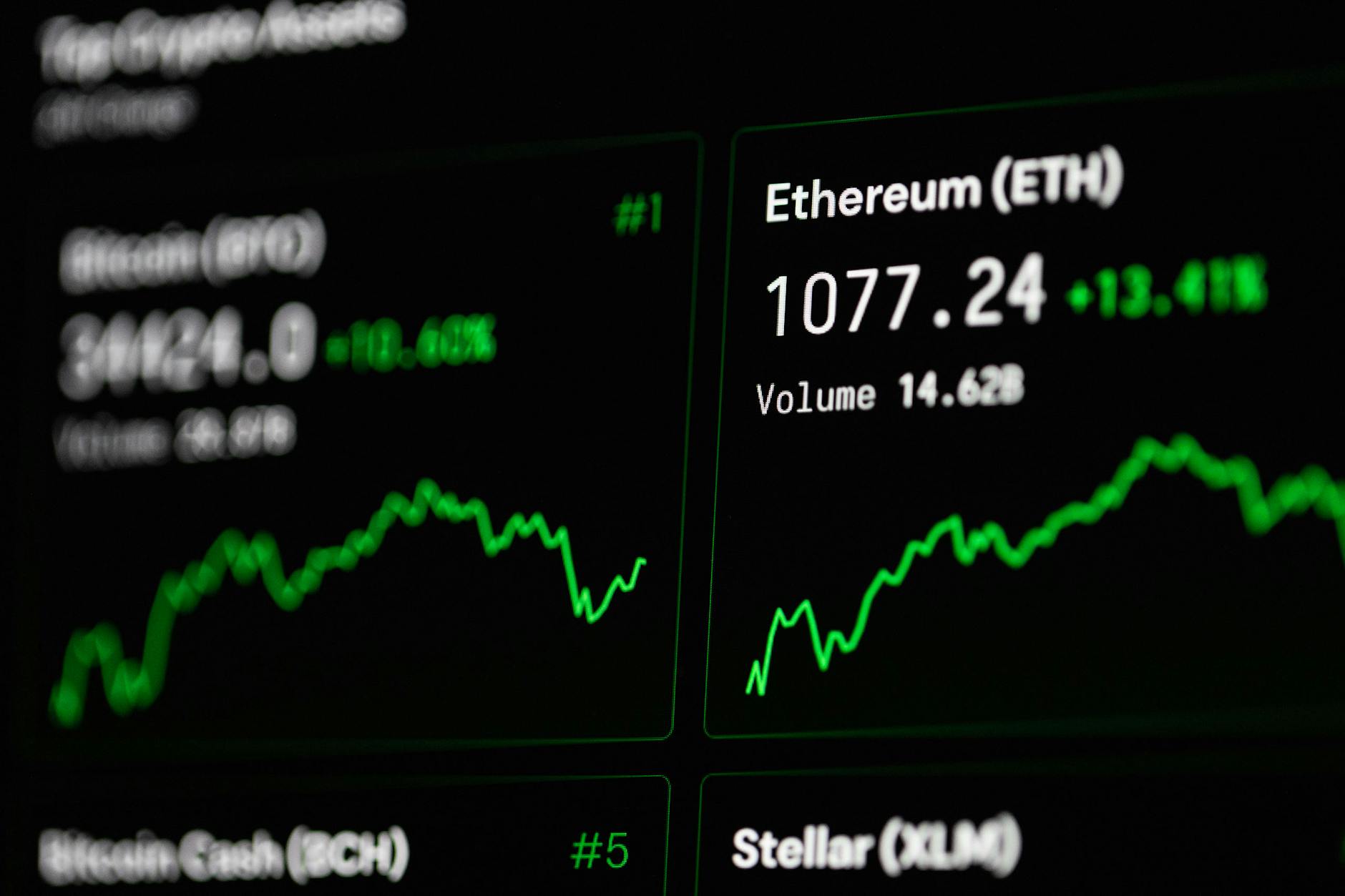
In the wake of the Fed’s announcement, Bitcoin’s price dropped approximately 5% to around $91,000, while Ethereum followed suit, falling by 6% to approximately $5,600. These declines reflect growing apprehensions regarding tightening financial conditions for 2026 and beyond. The split within the committee, which voted 8-4 against altering rates, has raised eyebrows; a notable dissent echoed concerns over rising inflation risks stemming from elevated energy markets.
Market participants exhibited a cautious approach, as this was a contrasted sentiment from last week’s initial rally. Increasing speculation around possible adjustments to monetary policy under a new leader after Powell has left traders in limbo, unsure of how to position themselves.
In a broader context, digital assets like Bitcoin and Ethereum have been known to display sensitivity to macroeconomic indicators, particularly those tied to interest rates and inflation signals. As uncertainty mounts around future rate hikes, investors are navigating potential volatility.
What Lies Ahead for Crypto Markets
Looking forward, analysts predict potential volatility in the crypto markets as traders assess the evolving landscape of U.S. monetary policy. The expectation is that should Powell’s replacement advocate for a more aggressive approach to rate cuts, cryptocurrencies might gain traction again. Conversely, should the incoming Federal Reserve chair opt for a conservative stance, a prolonged bearish trend could ensue.
The interplay between traditional financial markets and cryptocurrencies remains complex, often leading to ripple effects that can create notable price fluctuations across digital assets. With inflation pressures and geopolitical tensions persisting, the outlook for Bitcoin and Ethereum investment remains as uncertain as ever.