Key Takeaways
- Bitcoin stabilizes near an all-time high, despite ongoing market caution.
- DeFi protocols confront liquidity challenges exacerbated by rising gas fees.
- Recent EU regulations provoke mixed reactions among crypto investors.
What Happened
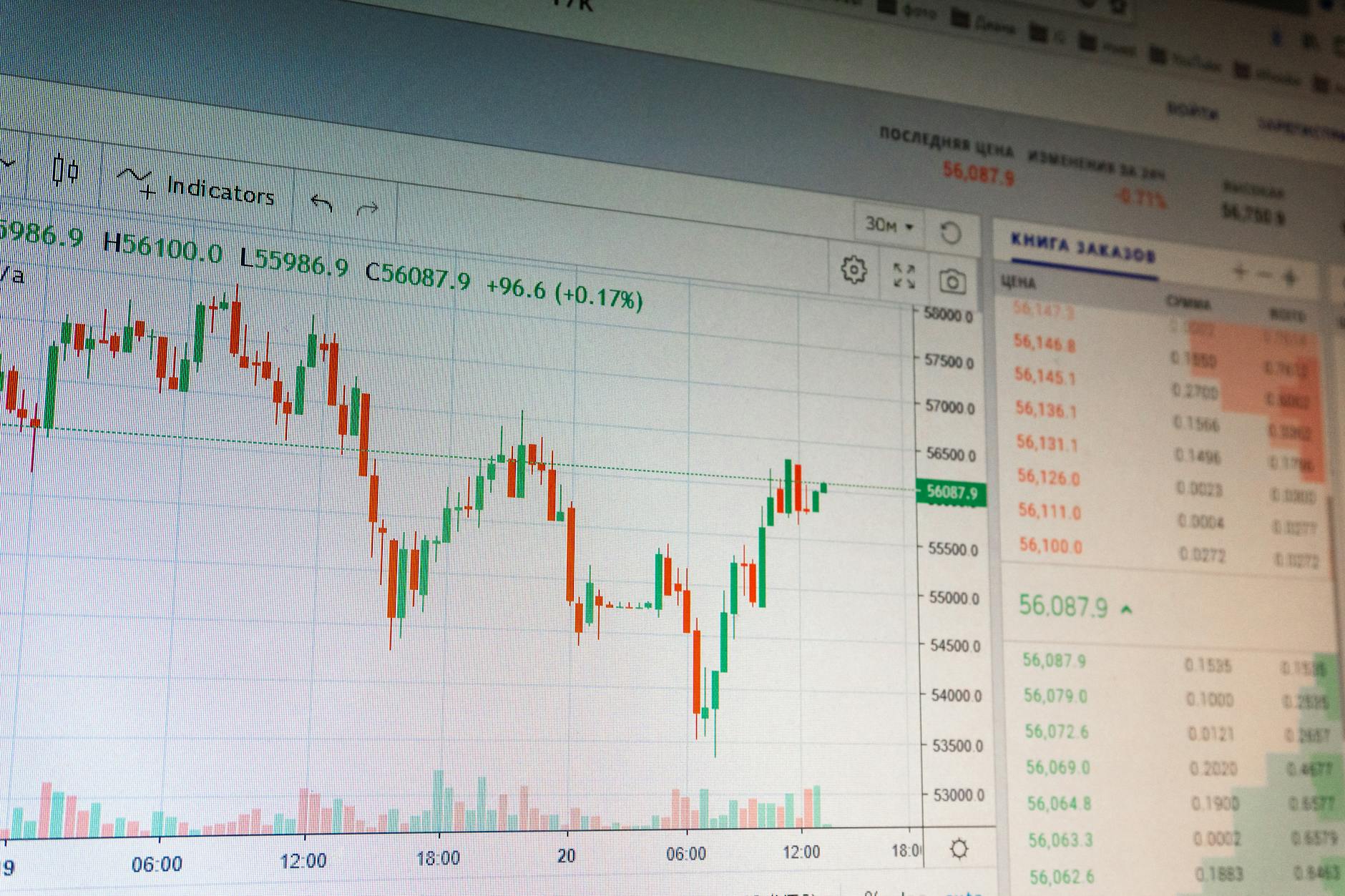
Today’s crypto market reflected a mix of optimism and caution as Bitcoin approached resistance at around $68,000 following a rally. Reported by CoinDesk, Bitcoin had been facing a notable liquidity crunch, particularly within Decentralized Finance (DeFi) sectors, driven by high gas fees that intensified the challenges for many protocols. Meanwhile, discussions emerged among NFT marketplaces regarding potential fee cuts to attract users amid declining interest.
Why It Matters
This mixed landscape is underscored by investors’ cautious behavior amidst macroeconomic headwinds, with Bitcoin and Ethereum logging their worst start to the year in recorded history. Both cryptocurrencies have seen substantial declines, with Bitcoin down about 24% year-to-date—hovering around $67,000, while Ethereum has fallen to approximately $2,000, experiencing a similar loss trajectory. The situation remains critical as liquidity becomes a focal point of interest amid recent developments in the EU concerning crypto regulatory frameworks. For more insights on regulatory impacts, see our article on EU regulatory changes, which may affect the broader market landscape.
What’s Next / Market Impact
As both Bitcoin and Ethereum continue to navigate through this turbulent phase, the outlook remains cautious. With a significant outflow from spot Bitcoin ETFs—reportedly totaling $4 billion over the past five weeks—traders are adapting by reducing leverage and preserving liquidity. Analysts predict a potential breakout for Bitcoin, particularly as it compresses within a symmetrical triangle formation near the $66,000 to $68,000 range. However, the pressure on altcoins appears to be more intense, as coins like XRP and Dogecoin are anticipated to struggle in 2026 given the lack of compelling catalysts for recovery compared to Bitcoin and Ethereum, which might rebound as their fundamentals strengthen, according to market analysts. This evolving scenario requires continuous monitoring, particularly as institutional investments remain a barometer for market health as we move forward into a new trading cycle.