Key Takeaways
- Bitcoin has experienced significant volatility, dipping below $70,000 and prompting concerns over potential further declines.
- The sell-off can be attributed to rising interest rates and increased regulatory scrutiny in the crypto market, leading to a cautionary stance among investors.
- Analysts are divided on whether the current dip is indicative of a broader downturn, marking a critical period for traders to reassess their strategies.
What Happened
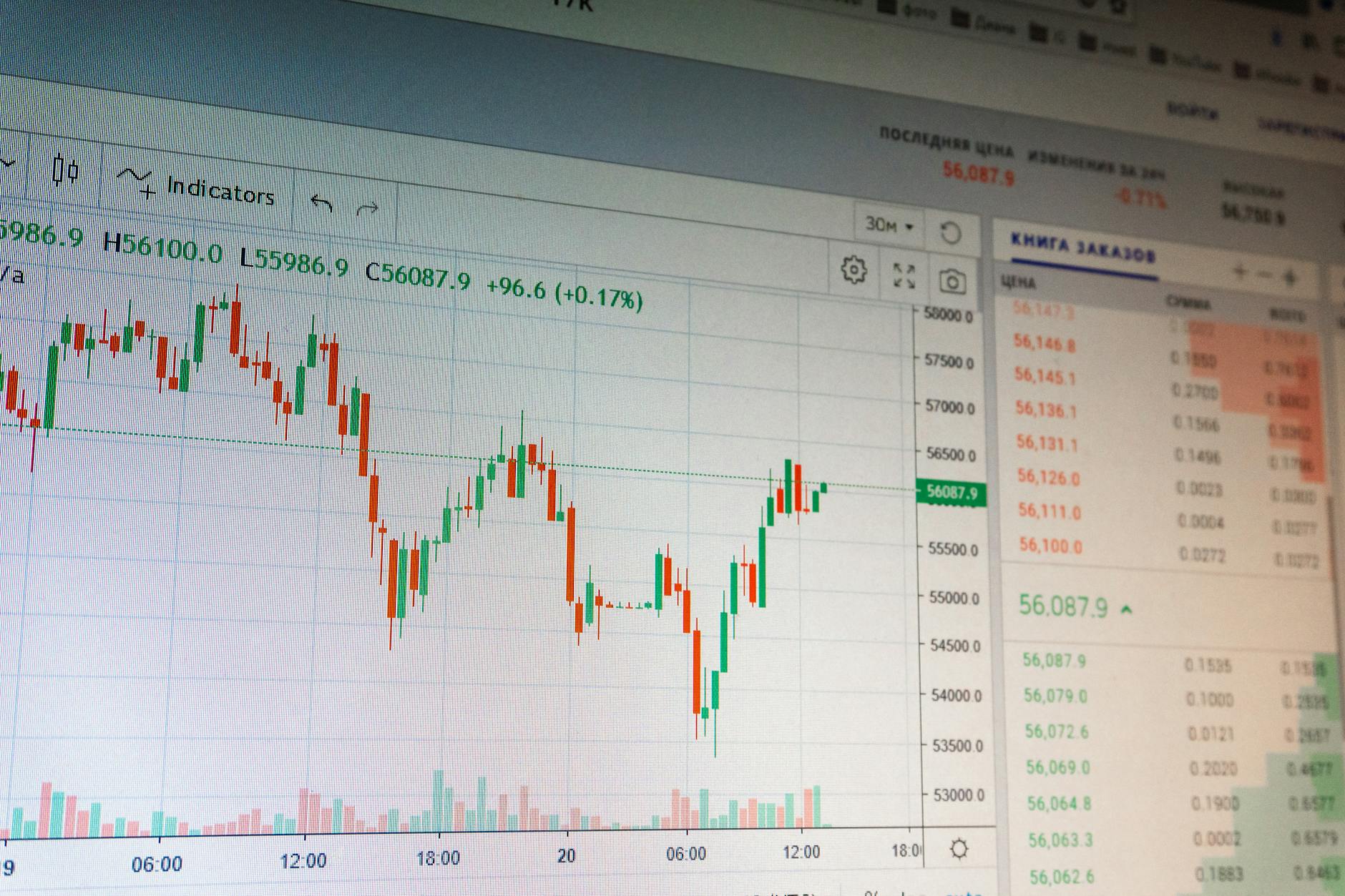
Bitcoin experienced notable price fluctuations recently, dropping over 9% and testing the $70,000 support level. This downturn has caused significant liquidations, amounting to $775 million, affecting traders across the board. While some reports initially suggested Bitcoin fell below $67,000, the current standing is above that threshold, marking its lowest since November 2024. The drop coincides with a widespread downturn in the cryptocurrency market for the third consecutive session, driven by macroeconomic uncertainties and regulatory pressures. Subsequent to these declines, Bitcoin has managed to recover slightly, trading around $71,340 as of the latest updates. Such movements highlight the ongoing volatility that has characterized Bitcoin’s performance, as discussed in depth by reported by CoinDesk.
Why It Matters
The recent fluctuations in Bitcoin’s price are a critical indicator of the cryptocurrency market’s overall health. Regulatory scrutiny, particularly surrounding the potential hawkish monetary policy changes led by the anticipated appointment of Fed Chair Kevin Warsh, is dampening interest in riskier assets like cryptocurrency. The volatility seen in Bitcoin has also triggered cautious trading behaviors among investors, as many are reassessing their positions in light of the ongoing market turbulence. For those interested in how macroeconomic factors influence the crypto landscape, there’s a clear connection between regulatory actions and market confidence, similar to discussions about crypto’s resilience amidst geopolitical shifts found in previous analyses on CrypTechToday.
What’s Next / Market Impact
Looking ahead, analysts speculate that Bitcoin may face further downward pressure if the volatility does not stabilize. With projections suggesting potential declines toward the $69,000 to $58,000 range if current trends persist, traders are weighing their options carefully. This aligns with broader market trends where Bitcoin has shown a 40% decline from its peak achieved in October 2025. Ethereum and XRP are also expected to follow similar patterns of volatility, especially as both have seen significant price drops recently, affecting investor sentiment across cryptocurrencies. The current phase’s characteristics suggest it lacks forced selling phenomena similar to past extreme downturns, leading some analysts to argue for a potentially limited downside compared to previous sharp declines witnessed in the crypto markets.