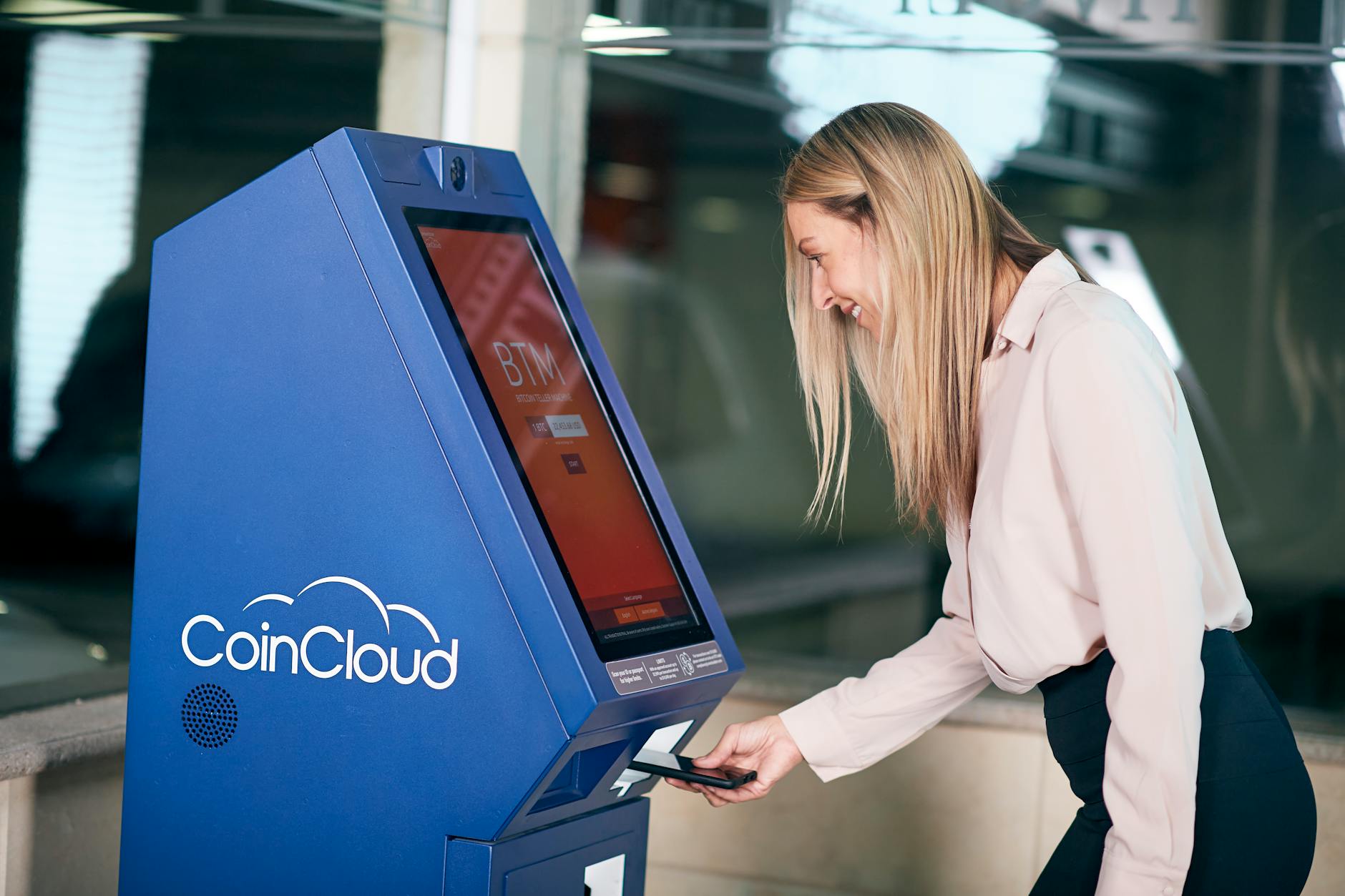
Mandatory ID Verification at Bitcoin Depot ATMs
Bitcoin Depot implemented a mandatory identification check for all transactions at its crypto ATMs across the United States starting February 24, 2026, aiming to enhance security and comply with rising regulatory demands.
The new policy obligates users to present a government-issued photo ID, such as a driver’s license, state ID, or passport, to facilitate both cash-to-crypto purchases and crypto-to-cash sales. Such a shift marks a significant step beyond previous measures that required ID verification only for first-time users, now extending to all transactions to bolster real-time monitoring for suspicious activities.
Enhanced Security and Regulatory Compliance
Executive Scott Buchanan indicated that adopting continuous ID verification is part of a broader commitment to improving user security and maintaining adherence to regulatory pressures, which have intensified within the cryptocurrency sector. This strategy comes after the FBI reported losses of $333 million from U.S. crypto ATM fraud in 2025.
This move aligns with ongoing efforts by state officials, including legal actions in Massachusetts related to scams targeting vulnerable populations like seniors. “Our continued commitment to compliance ensures that we prevent identity theft, account takeovers, and fraudulent activities at our kiosks,” Buchanan stated.
Bitcoin Depot, which operates around 8,800 ATMs throughout North America, became the first crypto ATM operator to list on Nasdaq in July 2023. By pushing forward with these compliance measures, the company aims to reinforce its position as a leader in the crypto ATM market, amidst growing scrutiny of regulations on money laundering and fraud.
Future Implications for Crypto Transactions
As the cryptocurrency landscape continues to evolve, this move by Bitcoin Depot may set a precedent for other operators in the industry. Analysts suggest that implementing stringent KYC processes can cultivate trust among users and regulators alike, potentially leading to an increase in institutional adoption.
However, there is concern regarding an impact on transaction convenience and accessibility, particularly for users who prefer anonymity. Striking a balance between security measures and user-friendliness will be essential for sustaining growth in this sector.