Bitcoin’s Notable Drop Amid Regulatory Pressures and Geopolitical Tensions
Bitcoin plunged 3.5% recently following critical assertions from US Treasury Secretary Bessent ruling out government bailouts for distressed cryptocurrencies, impacting investor sentiment and contributing to a turbulent market environment.
This price drop came after Bitcoin reached around $68,770, marking its lowest level since November 2024. As a result, the cryptocurrency traded at approximately $65,000, which analysts attributed not only to domestic regulatory signals but also to broader geopolitical tensions, including President Trump’s announcement of a global tariff of 15% and escalating tensions in the Middle East. Similar drops were seen across the board, with XRP declining over 7% in tandem, as fear of market disruptions intensified.
Market Dynamics and Influences
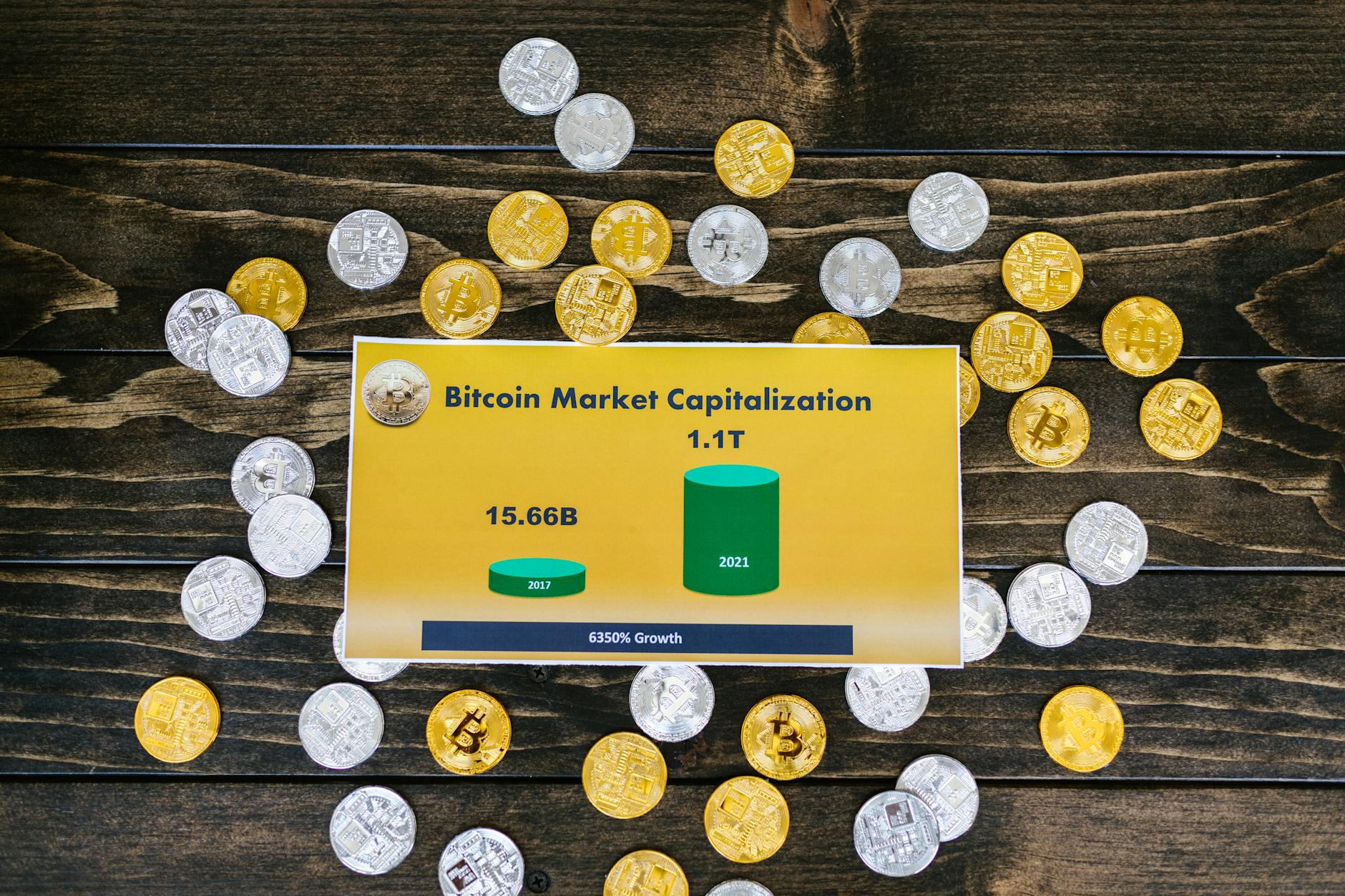
Despite earlier successes in March 2026, where Bitcoin had rebounded nearly 3.7% from a significant decline, this downturn revealed the ongoing vulnerability of cryptocurrencies to various external pressures. Increased uncertainty regarding Federal Reserve rate cuts and Bitcoin’s technical struggles below the $70,000 support level exacerbated selling activity, compressing the market cap to approximately $2.37 trillion.
The technical breakdown was severe. With Bitcoin trading as low as $64,830, analysts are now eyeing the critical support level around $60,000, recognizing that failure to hold this ground could lead to a price drop targeting $50,000. Furthermore, bearish sentiment within prediction markets has surged, with around 60% of participants anticipating sub-$50,000 scenarios in 2026.
Investor Sentiment and Future Implications
Looking ahead, analysts suggest that the cryptocurrency market faces a challenging outlook. The lack of clear regulatory clarity in the United States, alongside potential geopolitical disruptions, could keep investor sentiment cautious. Bitcoin might need to recover above the $72,000 to $75,000 range to reinvigorate confidence among traders and attract new investments.
Ultimately, this episode underlines the fragile nature of cryptocurrency valuations, which increasingly appear sensitive to not just economic indicators, but also the ebb and flow of global political relations. As events unfold, investor attention will likely remain fixed on regulatory developments and international tensions, which could redefine the future trajectory of Bitcoin and the broader crypto market.