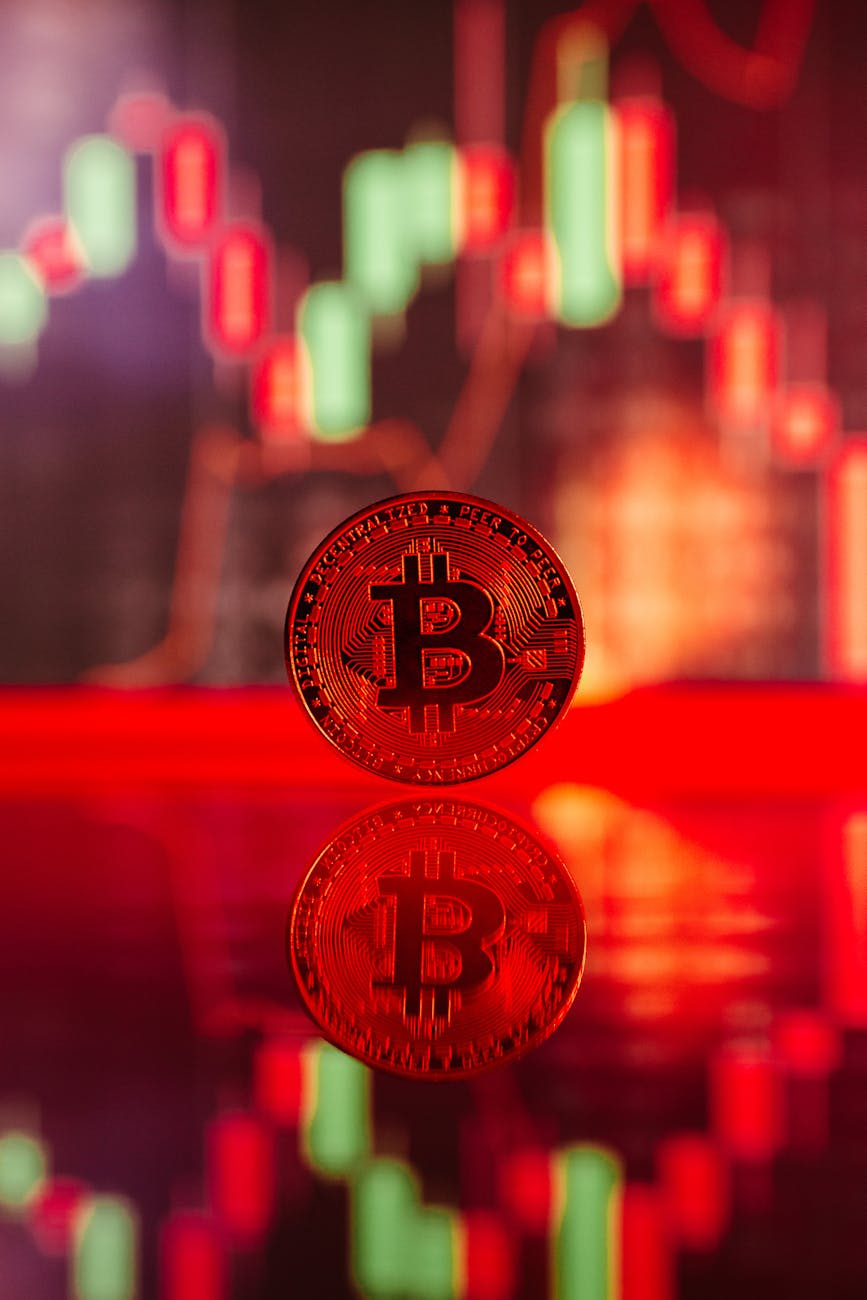
Bitcoin’s Recent Decline Amid Geopolitical Tensions
Bitcoin plunged to $76,600 on April 27 as factors like surging oil prices and escalating tensions with Iran dampened market optimism. The price drop highlights investor caution amidst geopolitical volatility and reduced crypto liquidity.
Following a period of growth that saw Bitcoin nearing its all-time highs, the asset faced significant pressure as oil prices jumped nearly 2%, reaching over $107 per barrel. This increase came on the heels of stalled peace negotiations between the U.S. and Iran, raising fears of further instability in the region, particularly concerning the Strait of Hormuz, a critical passage for global oil shipments. Analysts note that these conditions have sparked a shift in investor sentiment, with a renewed appetite for traditional, safer assets like oil leading to fund redemptions in the crypto market, where speculative investments have seen a downturn.
Market Reaction and Liquidity Concerns
The effects on Bitcoin’s market dynamics were immediate and telling. On-chain transaction volumes fell sharply, and there was a noticeable withdrawal of liquidity from institutional wallets, as investors opted for safety in response to the crisis. This retreat signifies a broader retreat from high-risk assets as financial stability concerns mount globally.
The reaction contrasts sharply with bullish sentiment just days prior, as investors had begun seeing Bitcoin as a viable hedge against inflation and economic uncertainty. However, this recent dip illustrates the vulnerabilities that persist within the cryptocurrency sector. Market analysts suggest that Bitcoin’s relationship with traditional commodities like oil is becoming more pronounced, where fluctuations in these established markets can ripple through to crypto valuations.
According to recent data, notable financial institutions took significant positions in Bitcoin during the previous rally, yet the newfound risks have sparked conversations about the sustainability of such investments in light of geopolitical uncertainties. The institutional interest that once buoyed Bitcoin prices may be faltering, with potential capital flight as financial giants reassess their risk exposures under the current climate.
What Comes Next for Bitcoin and Crypto Investors
Looking ahead, analysts are split on Bitcoin’s trajectory. Some, such as seasoned crypto investors, remain optimistic, asserting that the long-term bullish outlook for Bitcoin remains intact, especially in an environment where inflation and fiat currency devaluation are pressing concerns. They argue that once the immediate pressures from energy markets and geopolitical events subside, Bitcoin could rebound as it continues to garner institutional interest.
Ultimately, the unfolding situation in Iran, combined with the fluctuation of oil prices, may serve as a flashpoint for broader cryptocurrency market activity. Investors are monitoring these developments closely, as they could dictate the pace of Bitcoin’s recovery or additional downturns. If stability can be restored in energy markets and diplomatic progress made, Bitcoin may once again emerge as a favored asset for future speculation.