Key Takeaways
- Bitcoin hovers around crucial resistance levels as it grapples with a prolonged downturn.
- Decentralized Finance (DeFi) faces a liquidity crunch, exacerbated by high gas fees and general market uncertainty.
- Regulatory shifts in the EU are causing mixed responses among investors, leading to increased caution in the market.
What Happened
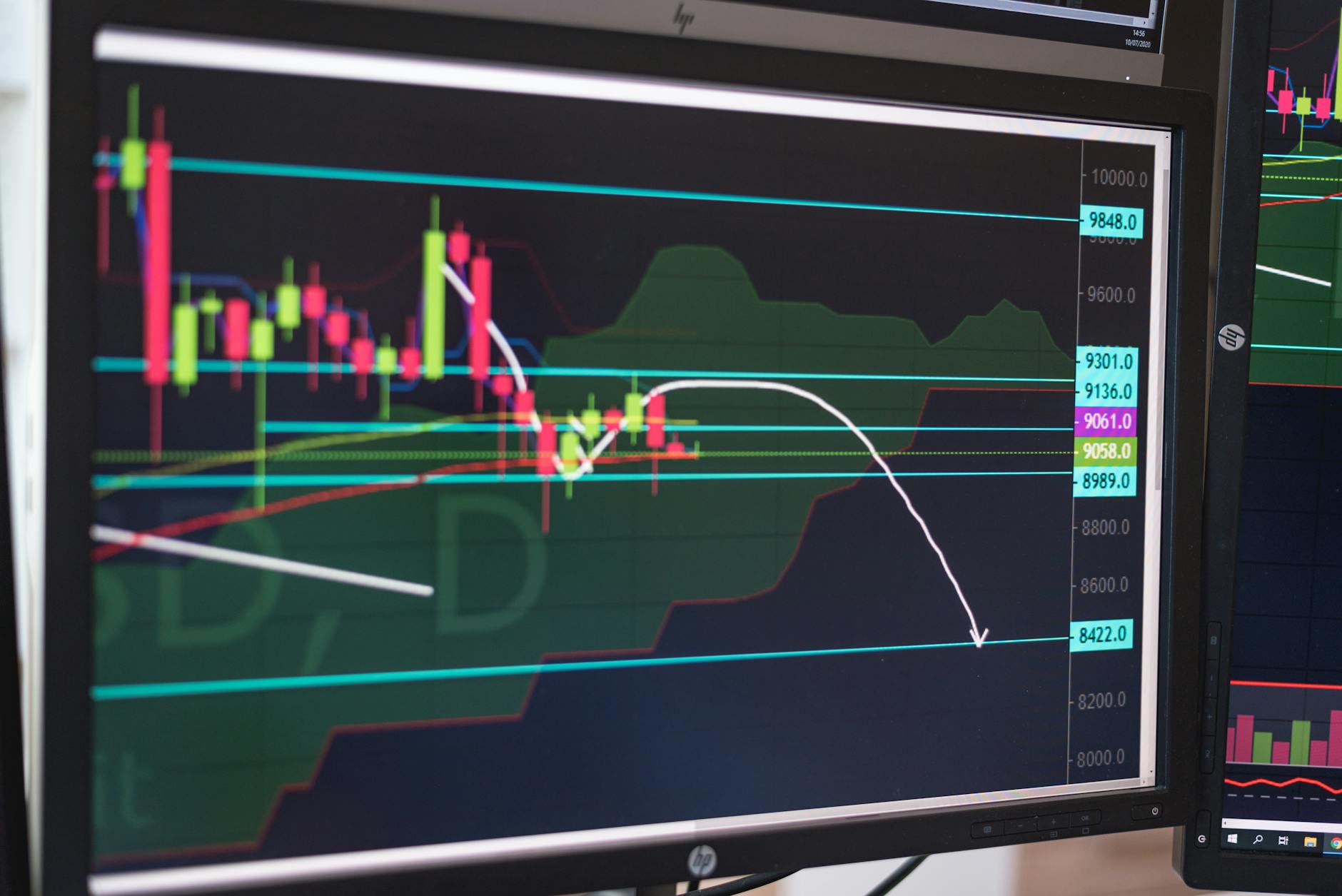
Today’s cryptocurrency landscape witnessed Bitcoin trading just below $68,000, battling against a significant resistance level that analysts see as crucial in determining its next movement. According to reporting by CoinDesk, the broader market is characterized by a risk-averse sentiment, with Bitcoin and Ethereum experiencing their most challenging start to the year in history, each down approximately 23-34% year-to-date. This downturn reflects ongoing investor wariness influenced by tighter macroeconomic conditions, primarily higher interest rate expectations, leading to diminished risk appetites and leverage among market participants. Furthermore, the events surrounding spot Bitcoin ETFs, which have seen substantial outflows of around $4 billion over the past month, reinforce concerns about the current trajectory of these assets.
Why It Matters
The ongoing struggles of Bitcoin and Ethereum highlight critical vulnerabilities within major cryptocurrencies, particularly at a time when decentralized finance (DeFi) protocols are grappling with liquidity challenges. The liquidity crunch is compounded by soaring gas fees, raising fears over accessibility and participation within the DeFi ecosystem. As liquidity becomes tighter, many smaller altcoins are feeling the effects more acutely, with analysts predicting a difficult year ahead for many projects without substantial catalysts for growth. This caution among investors might mirror the sentiments expressed in a previous article on market psychology, illustrating how investor sentiment can impede market recovery.
What’s Next / Market Impact
The catalyst for recovery may lie in upcoming regulatory developments, particularly in the European Union, where new regulations in digital assets are being deliberated. These changes aim to increase clarity within the market but have left a mixed reception among investors. The immediate effect has been an increased watchfulness from investors as they weigh the implications of tighter regulations against potential stability in the crypto sector. Overall, while Bitcoin and Ethereum face downward pressures, industry experts like Danny Nelson from Bitwise continue to express hope for a rebound, suggesting that as fundamentals improve, investor confidence may gradually recover. However, until a clear break from current resistance levels occurs, continued volatility remains likely in short-term trading conditions noted in various market analyses Benzinga reports.