Key Takeaways
- Bitcoin continues to hover around historic resistance levels despite facing significant sell pressure and decreased investor sentiment.
- The decentralized finance (DeFi) sector experiences severe liquidity challenges due to soaring gas fees and chaotic trading conditions.
- New European Union regulations are altering the landscape for cryptocurrency, drawing cautious reactions from market participants.
What Happened
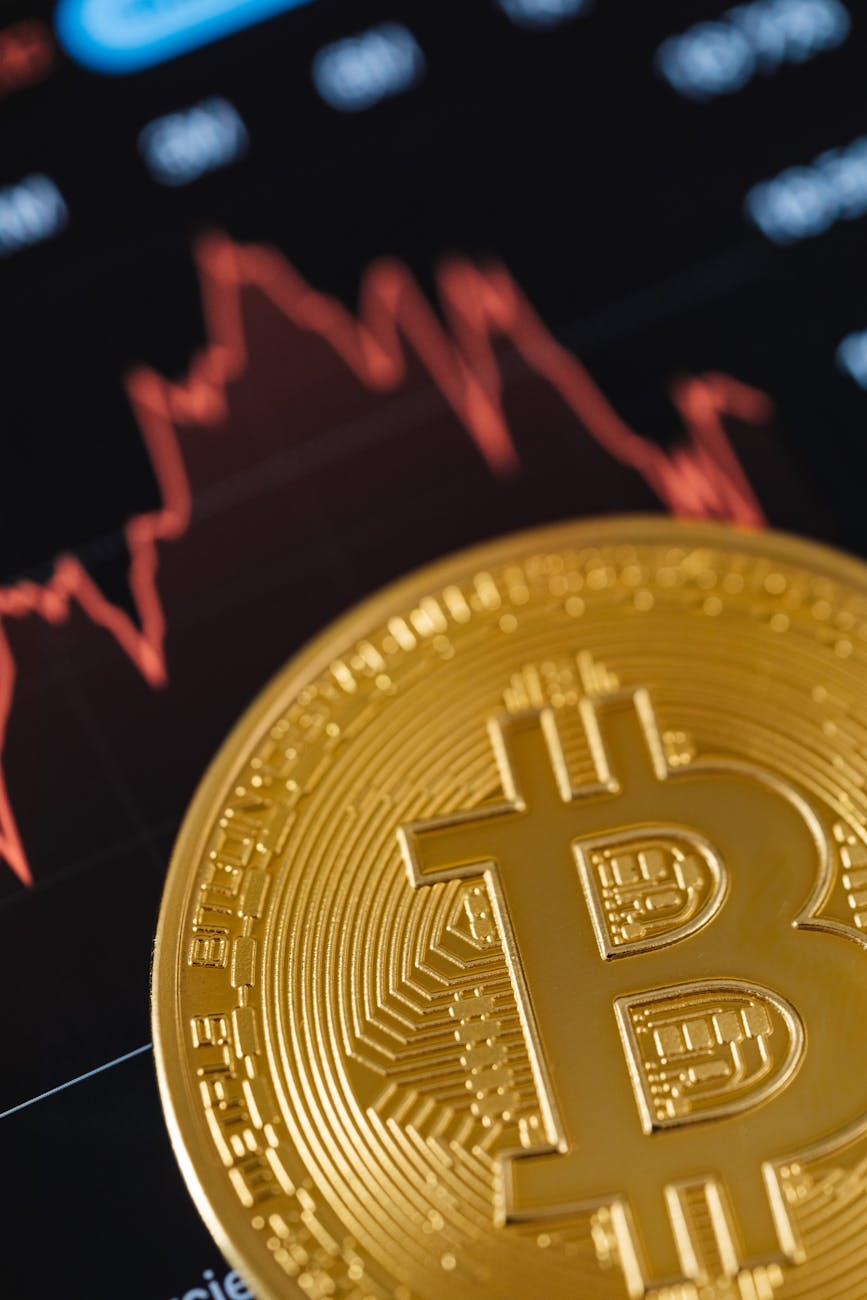
In today’s cryptocurrency market, Bitcoin has been seen oscillating around significant resistance levels, notably near $67,000, as it attempts to recover from deeply entrenched bearish trends. On February 20, 2026, both Bitcoin and Ethereum reported modest increases, yet their performance remains substantially muted, with Bitcoin recording roughly a 25% reduction since the beginning of the year. Currently, Bitcoin’s price rests at around $67,000, while Ethereum sits at approximately $2,000, reflecting year-to-date declines of up to 34% across the spectrum of leading cryptocurrencies, according to CoinTelegraph.
Why It Matters
The broader cryptocurrency space is displaying cautiousness in the face of macroeconomic pressures gripping the market. With tight monetary policies and declining risk appetites leading investors to shy away from leveraging their positions, liquidity has become a major concern, especially for decentralized finance (DeFi) protocols. A recent surge in gas fees has triggered liquidity shortages, resulting in major disruptions to trading and borrowing on these platforms. The confusion in DeFi markets has sparked renewed discussions on optimizing fees, echoed in our previous analysis of DeFi challenges during market downturns, emphasizing the need for efficiency in times of crisis. [Read more here](https://cryptechtoday.com/dealing-with-the-aftermath-of-the-libra-cryptocurrency-scandal/).
What’s Next / Market Impact
The market’s immediate response to recent European Union regulatory announcements has been a mixture of optimism and wariness. Investors are weighing the implications of new regulations that aim to bolster compliance across cryptocurrency platforms, particularly regarding stablecoin oversight. Historical data suggests that regulatory clarity often serves as a catalyst for innovation within the industry. However, it also stokes investor sentiment, contributing to ongoing volatility—an essential factor in the current trading climate. As a result, altcoins continue to underperform, with major losses impacting tokens like XRP and Dogecoin, lagging behind Bitcoin and Ethereum despite some hopeful signs of a rebound, as analysts evaluate the potential for recovery in the coming months, largely influenced by renewed institutional interest and stabilization of market conditions, as highlighted in recent reports available through Sergey Tereshkin[1].