Key Takeaways
- Bitcoin has dipped below $90,000, closing at $89,384, reflecting significant market pullbacks.
- Overall market capitalization dropped 3.4%, with major altcoins like Binance Coin and Monero experiencing steeper declines.
- Increased tensions relating to U.S.-EU tariffs are contributing to heightened investor uncertainty and impact on cryptocurrency markets.
What Happened
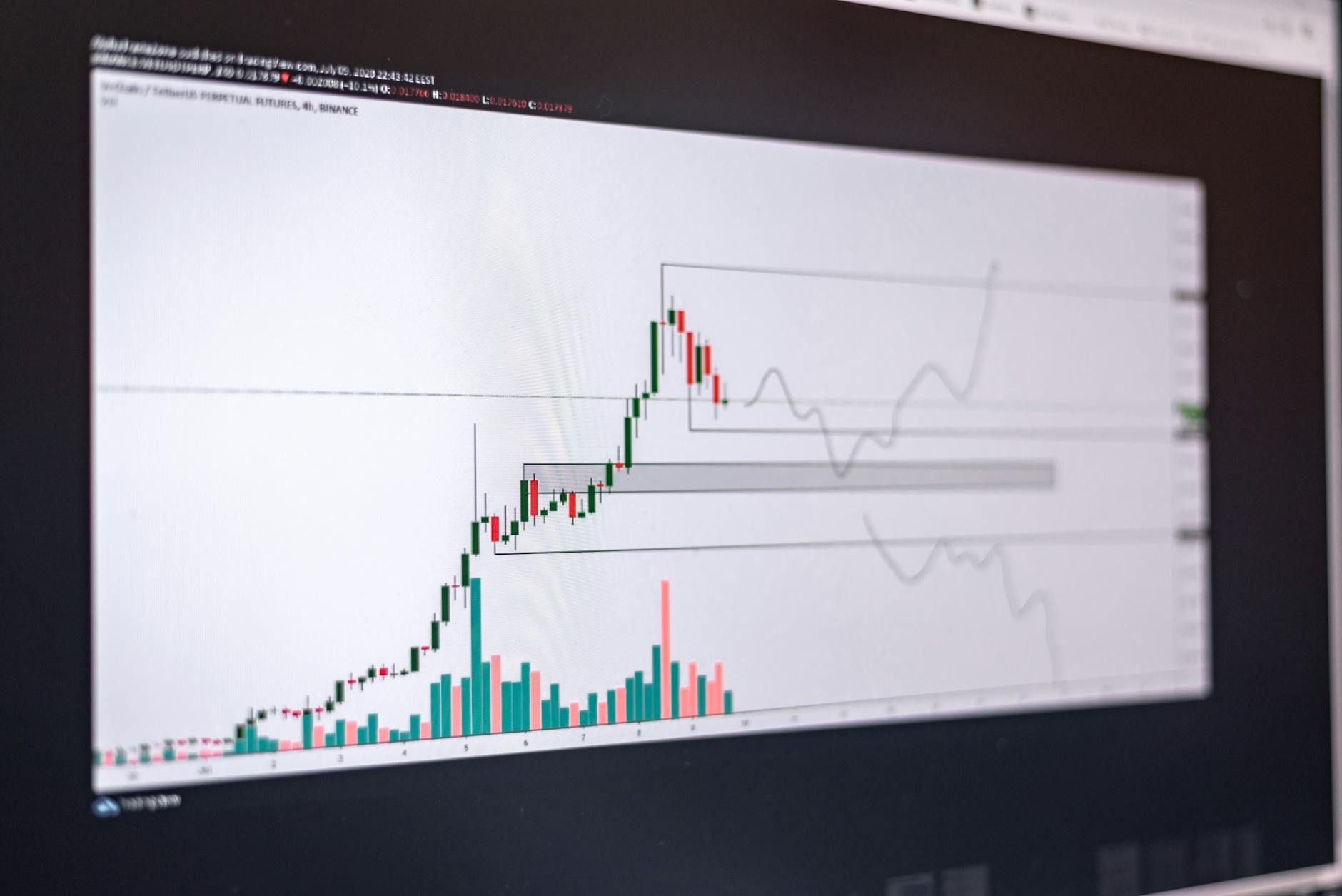
On January 21, Bitcoin faced considerable selling pressure, falling to $89,384—marking a 3.2% decline over the past 24 hours. This downturn pushed Bitcoin below the crucial $90,000 threshold, leading to significant implications for the broader cryptocurrency market. Notably, the overall market cap dropped 3.4% to approximately $3.1 trillion. Major altcoins followed Bitcoin’s downward trend, with Binance Coin plunging 5.2% to $879 and Monero slipping 19% to $491. This spiraling sell-off added to over $1 billion in liquidations across exchanges, as reported by CoinDesk.
Heightened geopolitical tensions, particularly concerning U.S.-EU tariff disputes, have further contributed to the fragile sentiment among traders and investors, impacting market dynamics significantly.
Why It Matters
The decline in Bitcoin’s value has prompted discussions regarding the volatile nature of cryptocurrency investments and the potential influence of international trade disputes on market confidence. Regulatory uncertainties stemming from U.S.-EU tariff tensions may dampen risk appetite among investors, who are increasingly wary of market fluctuations. Furthermore, the Crypto Fear & Greed Index’s notable drop into “extreme fear” territory highlights the prevailing anxiety in the market, leading to cautious trading behaviors as liquidity tightens. A previous article on the intersection of geopolitical events and cryptocurrency markets highlights how external factors play a critical role in shaping trading sentiment and valuation within this sphere.
Read more about geopolitical factors affecting crypto
What’s Next / Market Impact
Despite the current weakness in the market, analysts remain cautiously optimistic, suggesting that volatility could yield opportunities for rebounds if geopolitical tensions ease. Tom Lee, chairman of Fundstrat, indicated that both cryptocurrencies and equity markets might face continued pressures early in 2026 but pointed out that a stabilization in sentiment could lead to Bitcoin retesting the $92,000–$94,000 range. It will be crucial for larger buyers to re-enter the market, particularly on dips, to provide support and instigate potential recoveries. As open interest across the crypto market also dipped 1.73% to $133 billion, traders might be closely monitoring further developments, both geopolitically and within the markets, for signs of a turnaround.
The current cross-market dynamics, along with reports of over $1 billion in liquidations, emphasize the need for traders to remain vigilant and adaptable as they navigate these uncertain waters.