Bitcoin Faces Price Drop Amid Geopolitical Tensions
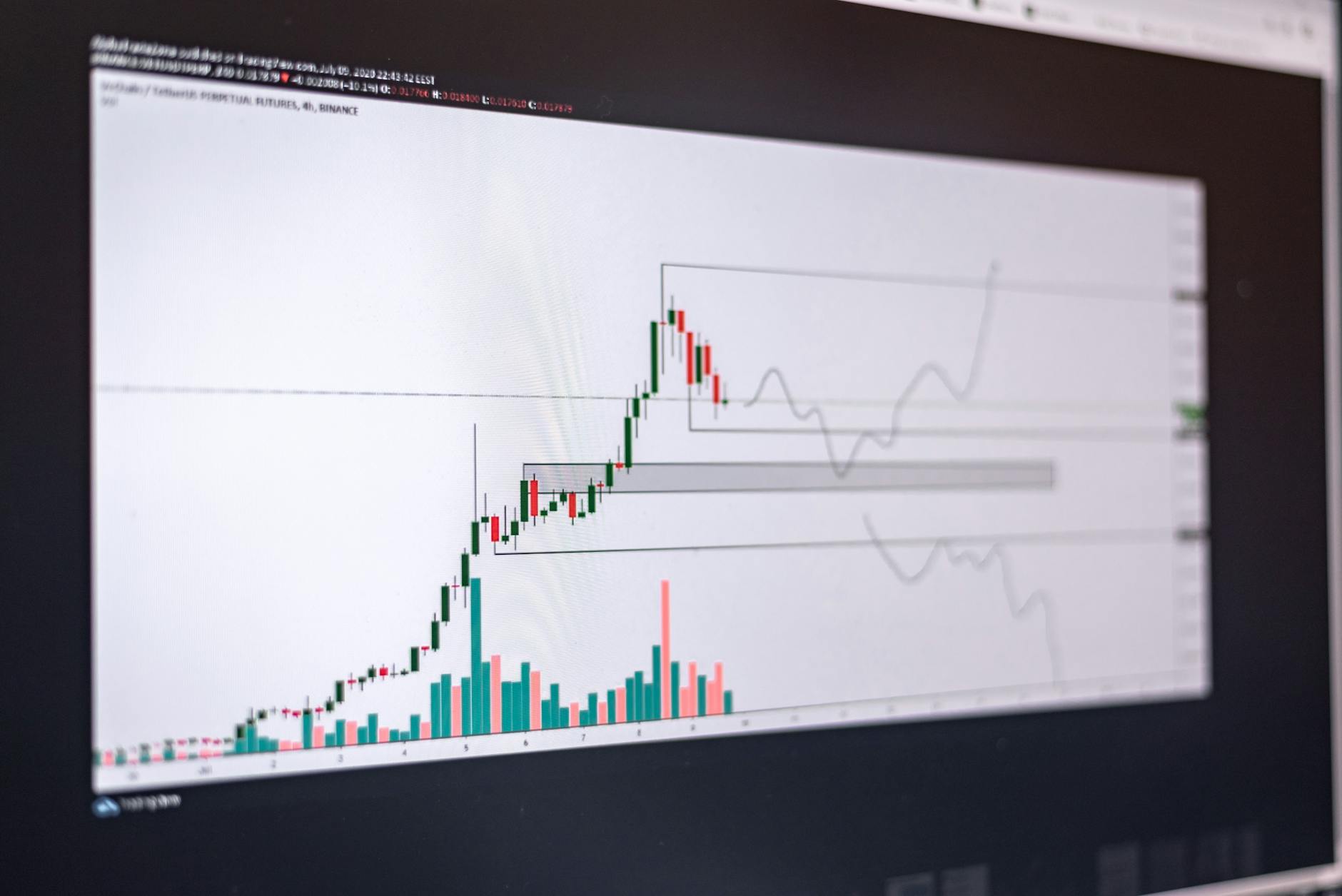
Bitcoin plummeted below $64,000 following an attack by U.S. and Israeli forces on Iran, dealing a blow to broader cryptocurrency markets. The downturn pulled major altcoins like Ethereum and Solana down alongside it, as traders reacted to escalating geopolitical uncertainty.
The decline comes on the heels of Bitcoin’s notable ascent, which had seen it rise significantly earlier in the year. Analysts had identified what they called a “Bitcoin bottom signal” that had previously triggered a dramatic rally of nearly 130% earlier in 2024. However, with Bitcoin now over 50% off its all-time high of $125,000 recorded in October 2025, market sentiment has soured amidst macroeconomic pressures and global instability affecting investor confidence.
Market Reactions to Major Events
In the wake of Bitcoin’s drop, some cryptocurrencies showcased alarming volatility. For instance, SUI’s price fell by approximately 12%, trading at around $0.88. This occurred despite recent launches of three spot exchange-traded funds (ETFs) by Canary Capital, Grayscale, and 21Shares, highlighting the challenges facing the coin even as broader market offerings expanded. Analyst sentiment indicated that SUI faces strong selling pressure within a critical support zone, limiting its chances for a short-term rebound.
Conversely, the Pi Network token demonstrated an impressive uptick, rising from $0.13 to $0.17 amid bullish market charts and speculation regarding potential listings on exchanges like Kraken. Investors are optimistic for the token to reach $0.25, buoyed by increasing optimism and enthusiasm around its recent price action.
On another note, Circle has launched USDCx on the Cardano network, a stablecoin that will be integrated into decentralized finance (DeFi) apps such as Minswap and Liqwid. With an initial mint size of $14 million, Circle’s stablecoin could enhance adoption as Input Output Global—Cardano’s developer—will cover bridging fees for the first ten days, making it a potentially attractive option for users in DeFi.
Security Breaches and Impacts on the Market
In South Korea, the National Tax Service (NTS) accidentally revealed mnemonic codes in a public announcement, which led to a staggering theft of approximately $480 million worth of PRTG coins from seized cold wallets. The breach initiated a cyber investigation by local police, underscoring ongoing cybersecurity challenges within the cryptocurrency space.
Furthermore, analyst attention turned toward traditional finance as stocks of several crypto-related firms experienced fluctuations. Companies such as Galaxy Digital, Bitfarms, and HIVE Digital Technologies were noted among the top traders in volume according to MarketBeat’s screener, as investors looked for stability amid the tumultuous environment.
What Comes Next for Bitcoin and the Market
As Bitcoin tests the next critical support level around $60,000, analysts caution that further geopolitical developments could lead to increased selling pressure. The unease in the macro-environment has many questioning the sustainability of any potential recovery for Bitcoin, especially as heightened risks could persist in the near term following these global events.
Investors appear to be weighing the implications of current events against the backdrop of central banks’ actions. Speculation is rife about potential interest rate decisions that could further influence cryptocurrency and traditional markets alike. With increasing scrutiny and ongoing reports of significant capital flows into and out of cryptocurrencies, it will be crucial for traders to monitor the intertwining paths of geopolitical events and cryptocurrency market dynamics closely.