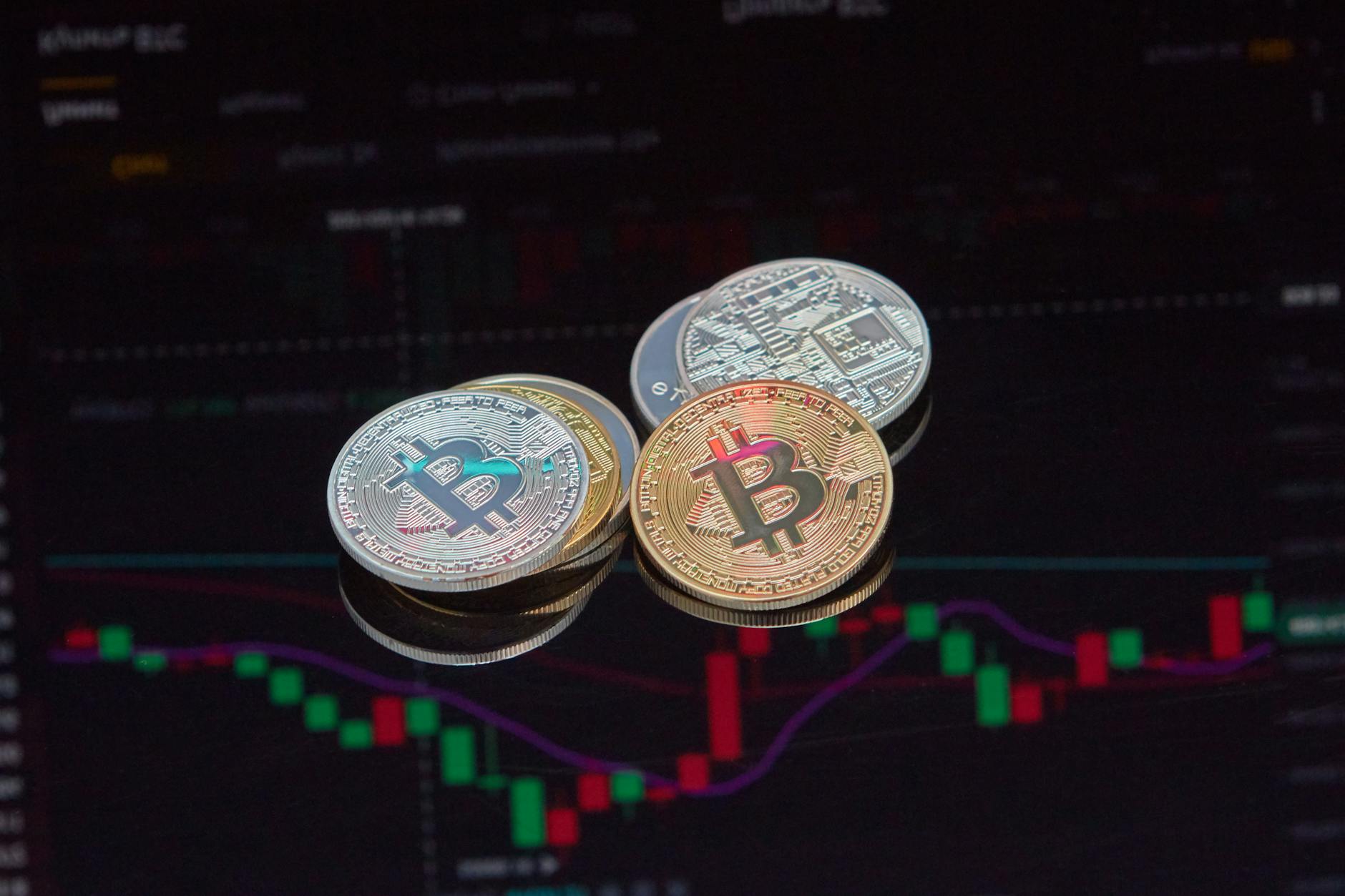
Bitcoin Experiences Market Fluctuations Amid Growing DeFi Activity
Bitcoin has faced notable volatility, briefly spiking above $90,000, which reflects a mix of ongoing influences including rising interest in decentralized finance (DeFi) protocols, according to market analysts.
The cryptocurrency landscape continues to evolve rapidly, with DeFi protocols seeing a substantial increase in liquidity. Many analysts attribute this growth to institutional adoption amid heightened regulatory scrutiny, as authorities rush to update legal frameworks governing digital assets. Amidst this backdrop, investor interest remains high, raising questions about the sustainability of Bitcoin’s current price trajectory.
Decentralized Finance Sees Record Participation
Data indicates that DeFi platforms have recorded a marked increase in liquidity, attracting significant investments from both retail and institutional traders. Major DeFi players are emphasizing yield generation through tokenization, which has become an attractive feature for users looking for a return on investments in a low-interest environment.
This surge in liquidity signals a broader trend of investors seeking alternatives to traditional finance, especially as conventional assets falter amid inflationary pressures. As the DeFi space matures, protocols offering improved security and user experience are likely to capture greater market share.
Many projects have begun addressing potential pitfalls that have previously plagued DeFi, such as security vulnerabilities and high transaction fees. Industry experts stress that overcoming these challenges is crucial for long-term growth and mainstream adoption of decentralized technologies.
Rapid Shifts in the NFT Market
The non-fungible token (NFT) market is undergoing transformative changes as user adoption rises. New platforms are streamlining operations, allowing broader engagement across demographics, thus attracting a wider swath of collectors and creators. Influencers and major brands are increasingly entering the space, driving public interest.
This burgeoning engagement comes at a time when many NFT marketplaces are refining their strategies to enhance user experience and transaction efficiency. Analysts predict that the fusion of traditional digital assets with new models, like social tokens and fractionalized NFTs, could bolster market resilience.
However, the sector’s growth is shadowed by ongoing regulatory challenges, as authorities strive to establish guidelines that address potential issues such as copyright infringement and fraud. As NFTs gain traction, compliance will likely become a focal point for both creators and platforms seeking sustainable business practices.
Regulatory Pressures and Market Movements
As the cryptocurrency space evolves, increasing regulatory attention poses both challenges and opportunities for investors. Recent discussions among policymakers highlight the necessity for clear frameworks that govern digital assets while minimizing risks associated with fraud and market manipulation.
President Trump recently remarked on the “crypto revolution,” signaling a potential pivot in U.S. policy toward better integration of digital assets into the financial system. His comments align with the multifaceted regulatory landscape, where lawmakers are seeking ways to ensure safe engagement in the rapidly transforming market.
This developing scenario emphasizes the necessity for market stakeholders, including exchanges and asset managers, to adapt to shifting regulations while maximizing opportunities for profitability. Analysts suggest that the next few months will be critical in shaping how various entities respond to these regulatory challenges and the resultant market adaptations.