Estimated reading time: 4 minutes
Key Takeaways:
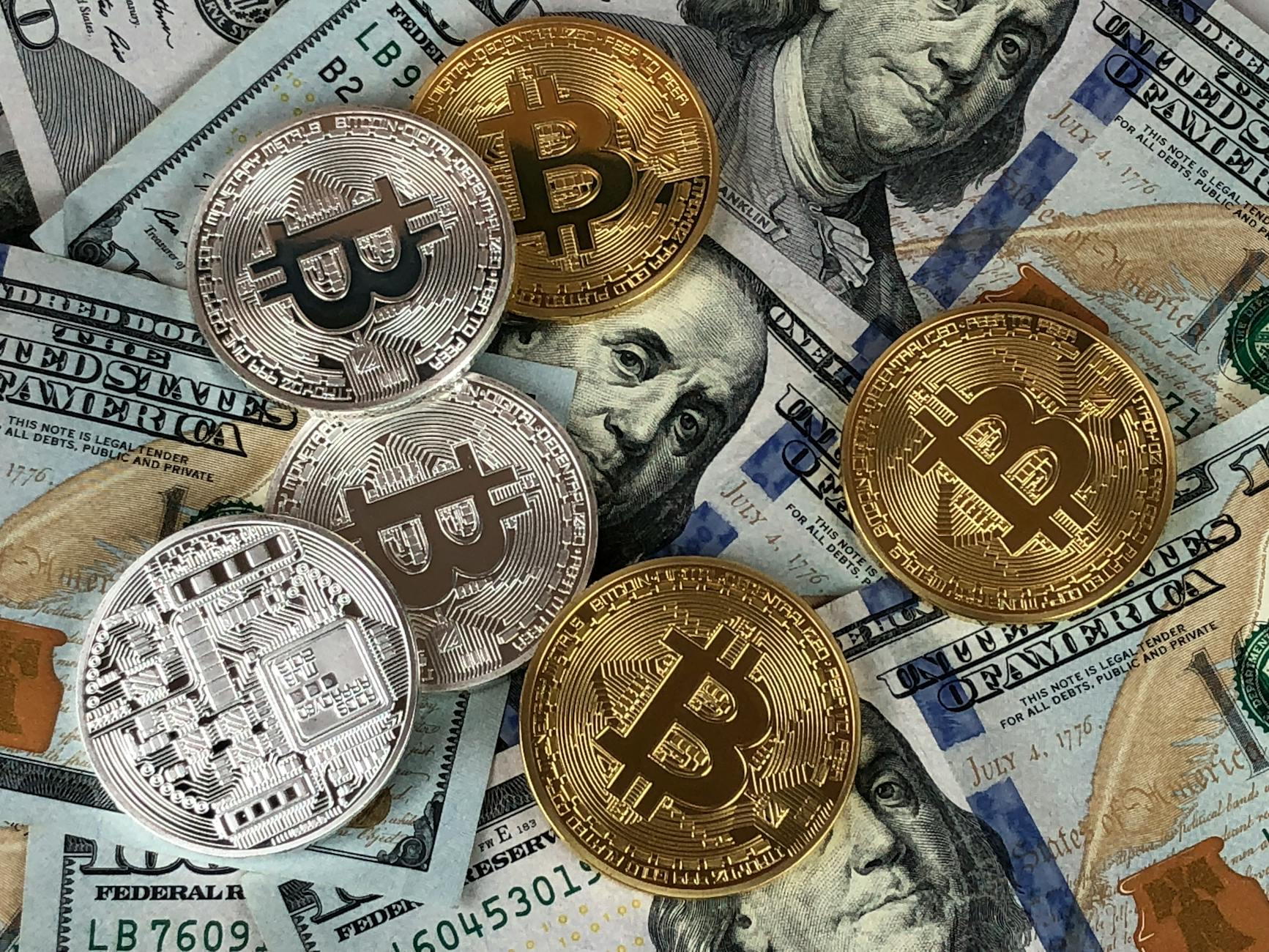
- Bitcoin has achieved a new record high, surpassing $90,000.
- Global oil prices are rising due to uncertainties surrounding the Russia-Ukraine conflict.
- The interconnectedness of cryptocurrency and oil markets signals broader inflationary pressures.
- Investors are increasingly viewing Bitcoin as a hedge against economic instability.
- Market participants are monitoring geopolitical risks closely as they influence asset allocation strategies.
Bitcoin’s Record Surge
The surge in Bitcoin’s price is particularly significant given the backdrop of persistent geopolitical tensions. As countries grapple with the economic ramifications of the ongoing war and subsequent sanctions, Bitcoin’s newfound record may reflect a shift in investor sentiment towards digital assets in uncertain times. Many market analysts view cryptocurrencies as a hedge against inflation and instability, particularly when traditional financial systems face considerable stress. This has made Bitcoin an increasingly attractive option for investors seeking refuge from volatility.
Rising Oil Prices Amid Conflict
Simultaneously, oil prices have seen an upward trajectory, driven largely by the same geopolitical tensions affecting Bitcoin. The lingering effects of the Russia-Ukraine conflict have created uncertainty in the global oil supply, leading traders to anticipate tighter supplies. As a result, market participants are reevaluating their positions, which adds to the overall volatility in energy markets. The prospect of extended sanctions against Russian oil exports is contributing to concerns over potential supply shortages, further pushing prices upward.
Market Implications
Heightened volatility in both the cryptocurrency and oil markets signals a broader concern among investors about inflationary pressures. The interconnectedness of these markets becomes evident as traders weigh the implications of rising oil prices, which can lead to increased costs across various sectors. Increased oil prices can fuel inflation, thereby impacting central banks’ monetary policies. As economic uncertainty lingers, market participants are likely to monitor these trends closely, as they shape investor sentiment and asset allocation strategies.
In the coming days, analysts will continue to assess how these developments in the cryptocurrency and energy markets unfold amidst persistent geopolitical risk. For ongoing updates and insights into the evolving financial landscape, keep following our coverage.