
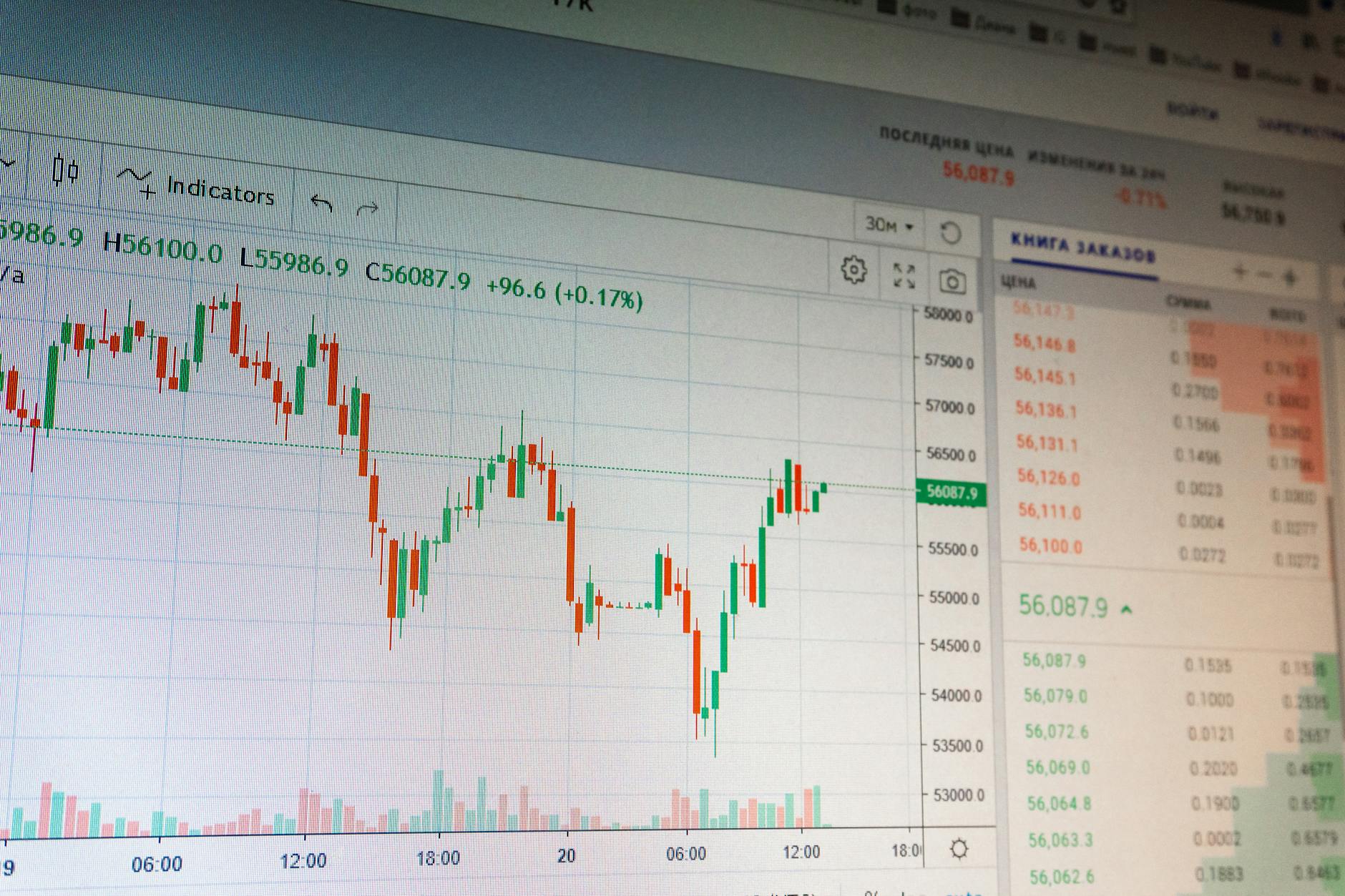
Geopolitical Tensions Drive Bitcoin Stability
Bitcoin held steady near $70,000 following an 8% surge in oil prices spurred by the collapse of US-Iran negotiations over the weekend, emphasizing the cryptocurrency’s resilience amid geopolitical uncertainty.
The sudden halt in diplomatic talks between the United States and Iran heightened fears of prolonged energy volatility, particularly affecting oil supply routes through the Strait of Hormuz. This strategic passage is vital for the transportation of petroleum, and its potential blockade has prompted a sharp increase in oil prices, which traded around $98 per barrel early this week, compared to about $96.50 prior to the diplomatic fallout, according to data reported by several financial outlets.
Market Reactions and Implications
The recent oil price spike served as a pivotal test for investor risk tolerance. Market analysts observed that Bitcoin’s steady performance in the wake of these tensions reflects its emerging status as a potential haven asset amid commodity fluctuations. As geopolitical disputes threaten to inflate energy prices further, traders have started to reassess the correlation between oil market movements and cryptocurrency performance.
Bitcoin’s position remains stable at approximately $70,000, tracking a weekly gain of about 9%, marking its best performance since October. Analysts note that this stability amidst rising oil prices may indicate increased confidence in Bitcoin as an alternative asset class, particularly during periods of traditional market volatility.
Moreover, the bond-crypto nexus is under heightened scrutiny as the disruptions in energy markets encourage investors to hedge their positions across asset classes. With bond yields fluctuating in response to changing economic sentiment, the dynamics between Bitcoin and traditional financial instruments could become increasingly relevant in the coming weeks, especially as central banks navigate inflationary pressures and interest rate adjustments.
Looking Ahead: Analysts Weigh In
As the geopolitical landscape continues to evolve, analysts predict that Bitcoin may fortify its status as a key player in portfolio diversification strategies. The expectation of potential sanctions on Iran may add further stress to global oil supply chains, leading to increased demand for assets perceived as more resilient to external shocks.
Experts suggest that Bitcoin’s reputation is bolstered by its decentralized nature and limited supply, factors that appeal to risk-averse investors amid rising uncertainty in commodities. Observers are closely monitoring potential government responses to both the situation in Iran and the symmetrical rise in oil prices, as such developments could significantly influence Bitcoin’s market trajectory.








