Bitcoin Surges Amid Geopolitical Tensions
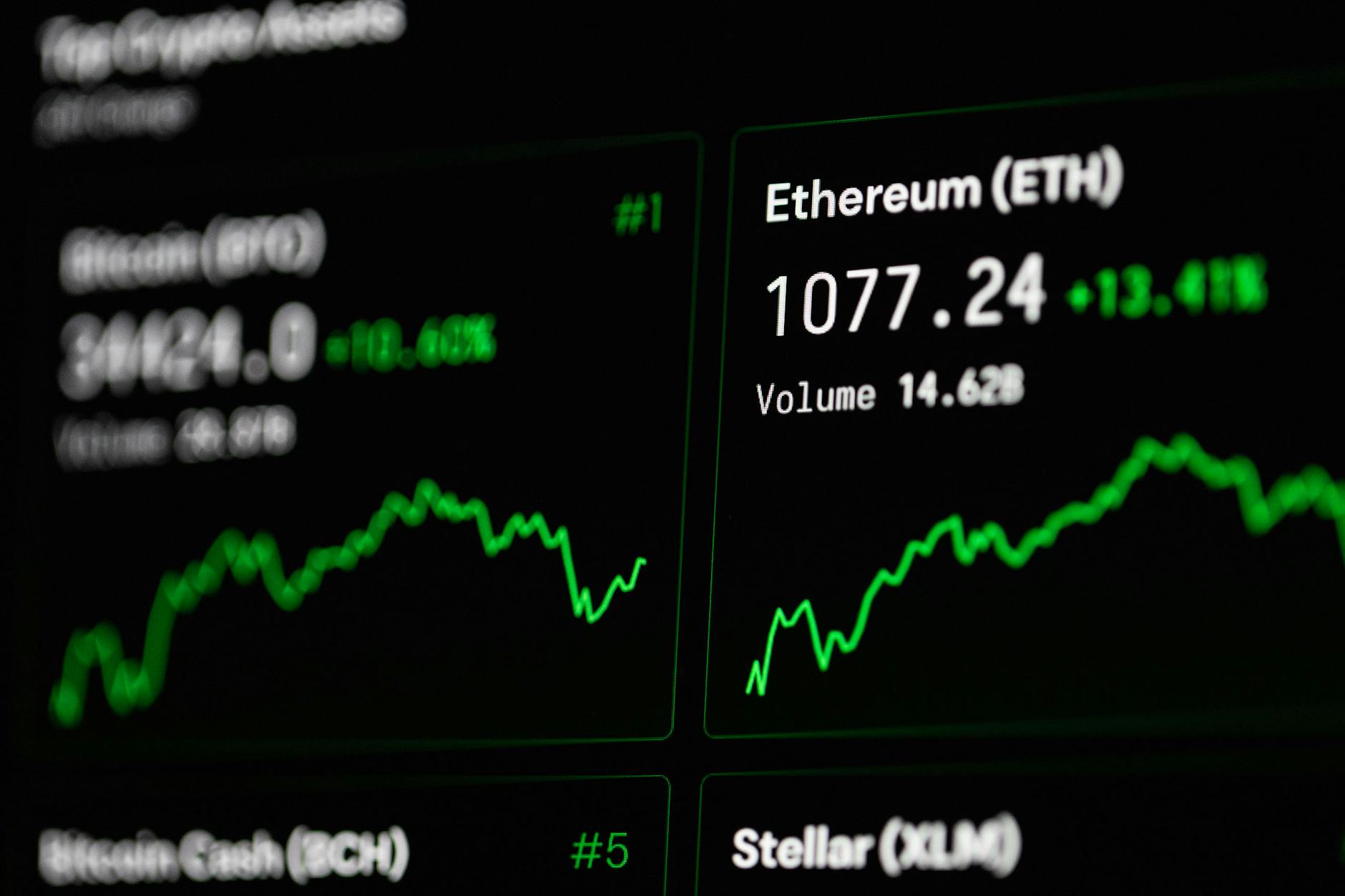
Bitcoin surged past $71,000 following President Donald Trump’s decision to pause military strikes against Iran, a move that contributed to a significant drop in U.S. oil prices. The cryptocurrency, often seen as a hedge against geopolitical instability, responded quickly, sparking renewed interest among investors amid rising tensions in the market.
Trading platforms reported Bitcoin breaching the $71,000 mark on March 17, 2026, with prices fluctuating around this level earlier in the month, driven by factors such as substantial exchange-traded fund (ETF) inflows and a wave of short liquidations. The term “TACO pump” emerged within trading circles, suggesting a collective response to the market’s increasingly volatile landscape, although it’s important to note that precise definitions of this term remain unverified. Reports indicated Bitcoin hitting highs above $74,000 before consolidating around $71,000.
Market Response to Oil Prices and Trump’s Decision
The immediate trigger for Bitcoin’s rally appeared tied to the geopolitical climate, particularly Trump’s stance on Iran. Analysts suggest this development may have alleviated some investor fears, not just in cryptocurrencies, but across broader markets as well. This pause in military action contributed to a notable decline in oil prices, which fell below $100 a barrel, creating a shift in risk assessment among traders, particularly those focused on energy markets.
Market analysts observed that the drop in oil prices offered a double-edged sword; while it hurt energy traders, it seemed to fuel optimism within crypto and tech sectors. Investors, eager for alternative assets amid uncertain economic indicators, took the opportunity to bolster their crypto positions.
Despite the surge, the volatility in Bitcoin reflects broader economic concerns. Issues such as potential interest rate changes and global economic uncertainties continue to loom over the crypto landscape. Bitcoin has historically reacted strongly to such events, maintaining its reputation as a speculative asset.
What’s Next for Cryptocurrency Markets?
Looking forward, analysts remain cautiously optimistic but highlight the need for careful monitoring of economic indicators and geopolitical happenings. Future influxes into Bitcoin ETFs could further stabilize prices, yet traders should remain aware of broader macroeconomic trends that might influence market sentiment.
This latest rally in Bitcoin not only illustrates the cryptocurrency’s volatility but also underscores the intricate relationship between geopolitical events and market response. As uncertainty persists, Bitcoin will likely continue to attract both speculative investors and those seeking a hedge against traditional financial systems.