Key Takeaways
- Bitcoin hovers around all-time resistance at approximately $67,000, showing signs of an imminent breakout amidst investor caution.
- Decentralized Finance (DeFi) protocols encounter a liquidity crunch, exacerbated by high gas fees and ongoing market volatility.
- New regulations from the EU prompt mixed reactions across the cryptocurrency landscape as market participants remain wary of fluctuations.
What Happened
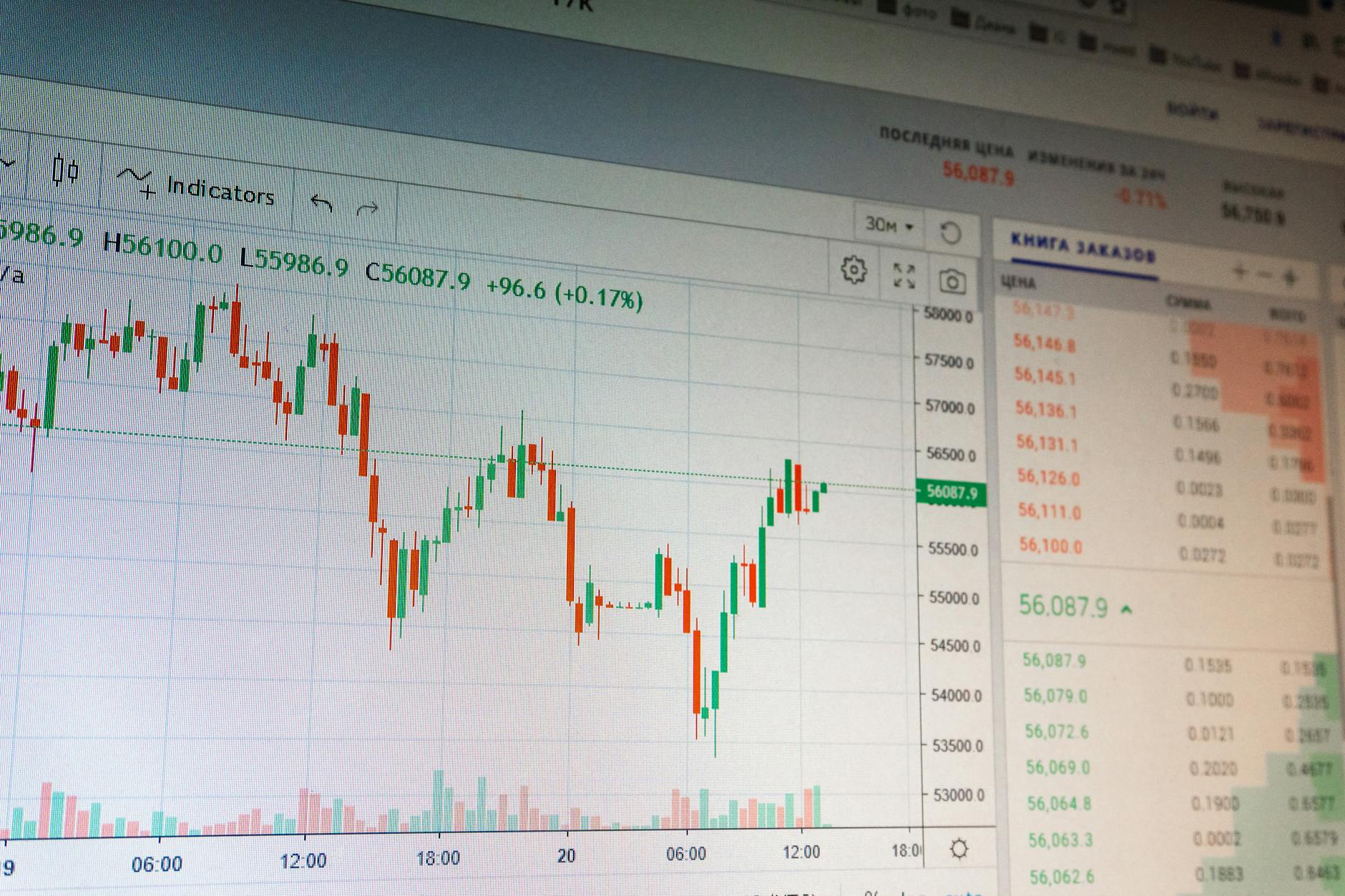
On February 20, 2026, Bitcoin stabilized near significant resistance levels around $67,000 following a late-afternoon rally that raised hopes among investors. Meanwhile, Ethereum saw slight gains, albeit both major cryptocurrencies are struggling with steep downtrends since the year’s start, with Bitcoin logging a 23-24% drop and Ethereum declining by 24-34% from their respective values. This downturn marks the weakest start to a year for both assets in their history. Reported by CoinTelegraph, the broader crypto market exhibited caution as investors trimmed leverage and sought liquidity due to macroeconomic pressures, notably the tightening monetary policies and falling risk appetite.
Why It Matters
Beneath the surface, the DeFi landscape is grappling with a sudden liquidity crunch, largely driven by surging gas fees that have deterred many users from engaging with DeFi protocols. This situation has significant implications since high transaction costs can restrict user participation and ultimately affect the overall growth of decentralized finance platforms. Amidst this backdrop, discussions around potential fee cuts in NFT marketplaces are ongoing, as the market looks to balance transactional costs with user demand. This ties into broader trends affecting the crypto space, particularly highlighted in a recent article on the impact of regulation on crypto assets here.
What’s Next / Market Impact
As the horizon unfolds, market analysts remain vigilant for potential Bitcoin breakout patterns, with technical analysis indicating a compression within a symmetrical triangle formation around $66,000-$68,000, which could signal an upcoming shift in trading dynamics. However, despite initial optimism, altcoins such as XRP and Dogecoin are forecasted to underperform as their utility and market drivers appear insufficient to drive substantial gains in the face of ongoing volatility. The news of new regulations in Europe, particularly aimed at stabilizing stablecoin usage, has received mixed reactions, hinting at a possible pivot in market sentiment that may foster cautious trading behavior in the short term. The combined pressures of recent ETF outflows, amounting to nearly $4 billion in the past five weeks, underscore the existing wariness among investors over the next moves in the crypto market, especially as BTC remains known for its potential for swift rebounds. Benzinga, citing the significant outflows from Bitcoin ETFs and the concurrent drop in holdings, highlights a concern that could further impact investor sentiment as the year progresses.