Key Takeaways
- Bitcoin remains range-bound, hovering around significant resistance as the market reacts cautiously to macroeconomic pressures.
- Decentralized finance (DeFi) protocols are currently facing liquidity challenges, exacerbated by escalating gas fees.
- Recent developments in regulatory landscapes, particularly in Europe, have fueled a mix of investor optimism and trepidation.
What Happened
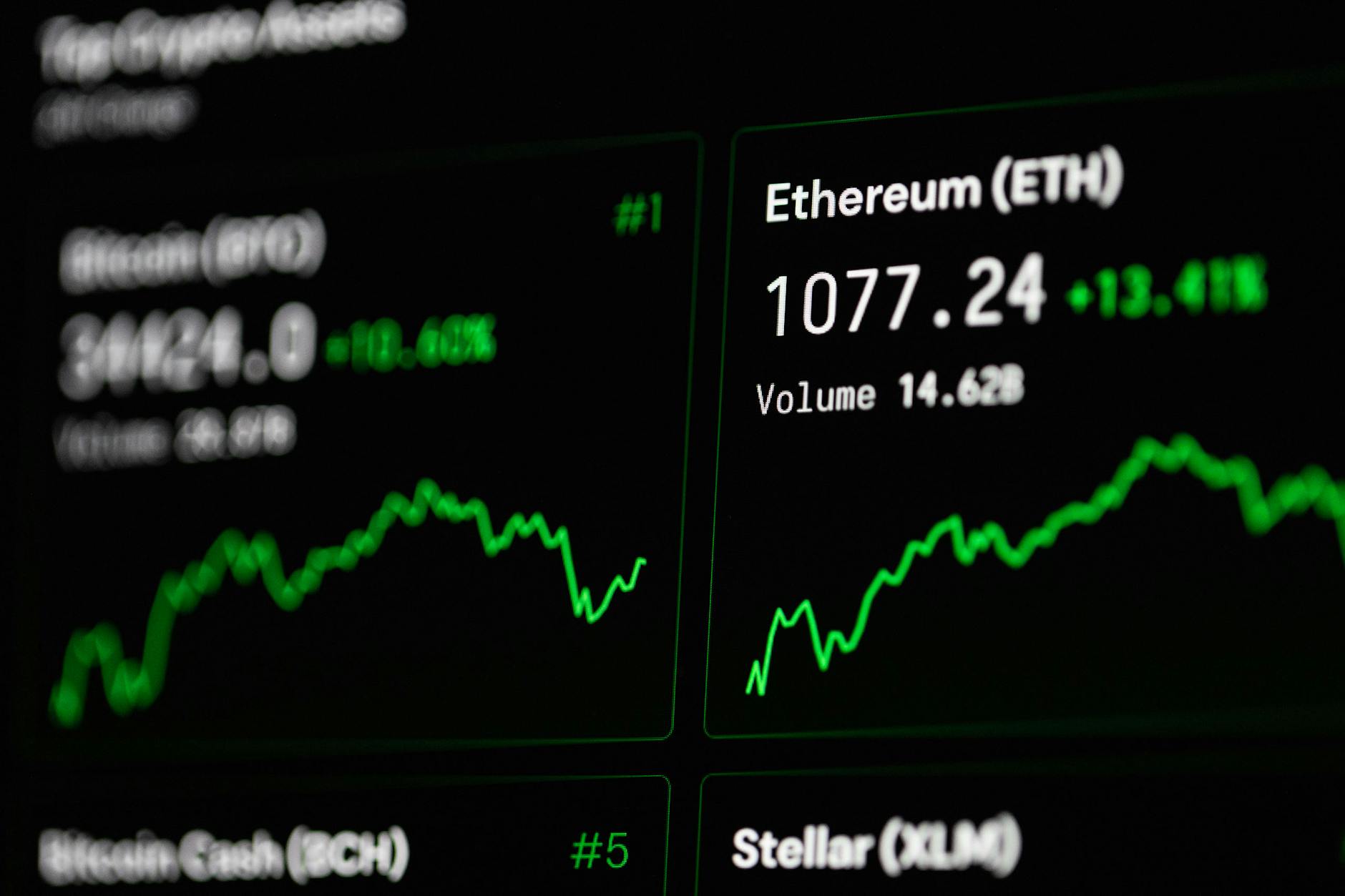
On February 20, 2026, the cryptocurrency market exhibited signs of caution, with Bitcoin (BTC) trading near a pivotal resistance level around $67,000. According to CoinDesk, traders are eyeing an imminent breakout, as Bitcoin’s price compresses within a symmetrical triangle pattern between $66,000 and $68,000. Despite a brief rally in the afternoon, the leading cryptocurrency remains down approximately 23% year-to-date. Ethereum (ETH) is experiencing similar struggles, with price drops ranging from 24% to 34% as the two cryptocurrencies logged their worst starts to a year in history.
Why It Matters
The broader crypto market is grappling with pressure amid rising macroeconomic uncertainties, which is leading to cautious behavior among investors. With high gas fees causing a sudden liquidity crunch within decentralized finance (DeFi) protocols, market participants are reassessing their strategies. The recent struggles faced by key players in the industry, particularly exchanges that reported poor Q4 results, contribute to an overall apprehension. This environment reflects the ongoing complexities of navigating a space characterized by rapid technological advancements and evolving regulations. As discussed in a previous article on crypto liquidity challenges, understanding these dynamics is essential for anticipating market movements.
What’s Next / Market Impact
As regulatory clarity begins to emerge, particularly in the European Union which recently announced new cryptocurrency regulations, investor sentiment remains mixed. Spot Bitcoin exchange-traded funds (ETFs) are facing significant outflows, totaling $165.76 million in the recent week and nearly $4 billion over the past five weeks. With BTC holdings declining by over 100,300 BTC since last October, the pressure is palpable. Analysts indicate that altcoins like XRP and Dogecoin are more likely to underperform given the lack of catalysts for growth, as market volatility weighs heavily on risk appetite among traders. Future movements are highly dependent on how these regulations are embraced by the market and the macroeconomic factors that continue to shape investor decisions.