Estimated reading time: 4 minutes
Key Takeaways:
- BitMine has staked $1 billion in Ethereum, reflecting growing corporate interest in yield generation.
- The reduced circulating supply of ETH may impact liquidity, supporting prices as institutional confidence rises.
- Increased staking participation may lead to regulatory scrutiny for investor protection.
- Shifting dynamics could create a positive feedback loop in staking yields.
BitMine’s Significant Stake in Ethereum
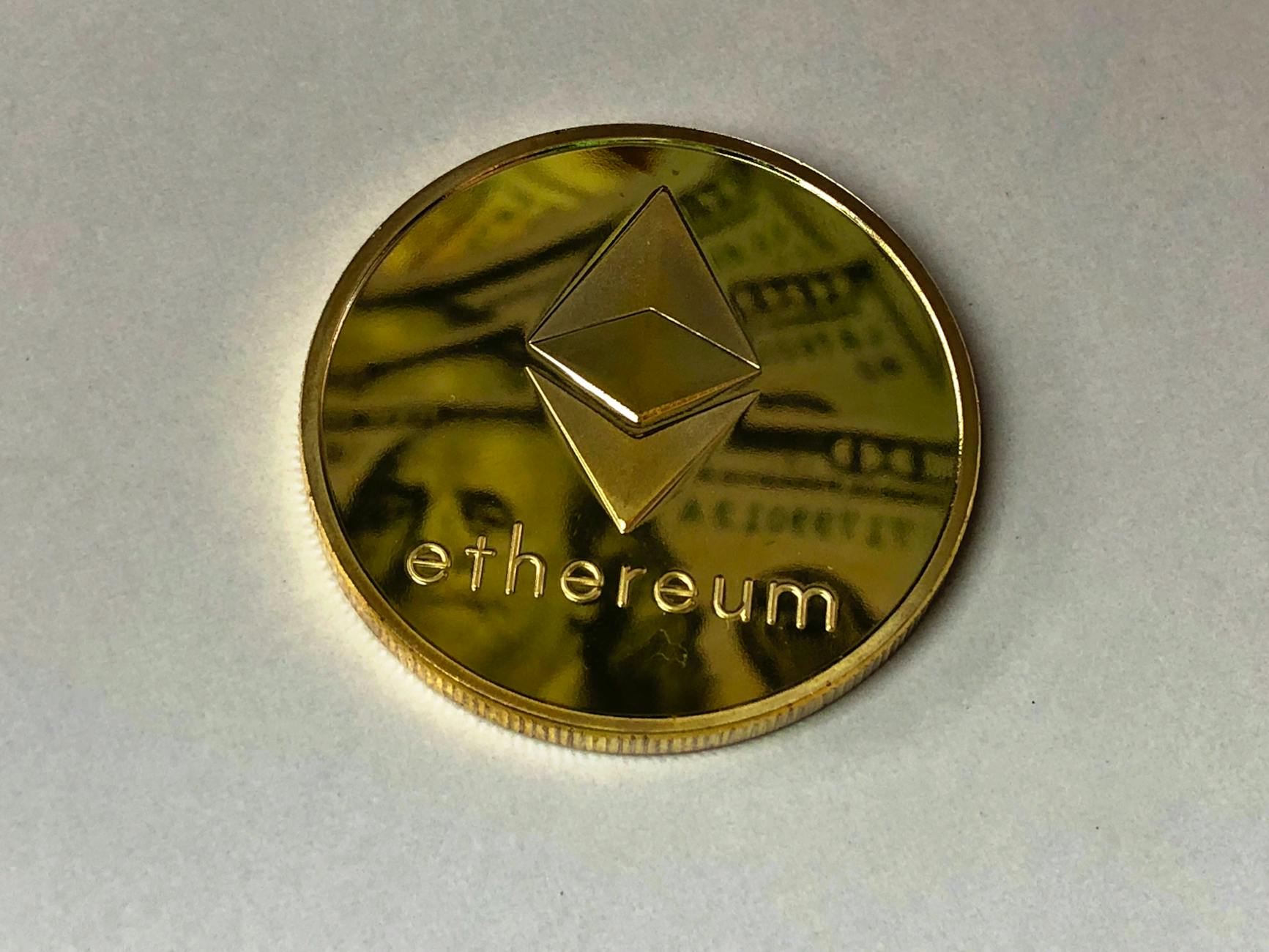
BitMine’s recent action of staking a substantial amount of ETH underscores the increasing interest among corporate entities in generating passive income through cryptocurrencies. By locking in such a significant amount, BitMine not only demonstrates its commitment to Ethereum’s ecosystem but also positions itself as a key player in the staking arena. The decision aligns with a broader trend where institutional investors are prioritizing staking over trading, indicating a shift towards locking up digital assets for potential long-term yields.
As companies seek to leverage Ethereum’s proof-of-stake (PoS) mechanisms, this strategy also demonstrates a significant reduction in the available supply. With fewer assets available for trading, market liquidity is impacted, which can affect price volatility. As staking rewards become more attractive, it is likely that more institutions will follow suit, thus further diminishing the available ETH in circulation.
Implications for Ethereum’s Market Landscape
The influx of corporate entities into Ethereum staking can fundamentally alter the market landscape. With more institutions holding staked ETH, the supply dynamics will shift, potentially leading to price support as demand stays robust amidst reducing sellable quantities. This could also induce a positive feedback loop, where rising staking yields entice even more entities to stake their assets, reinforcing the overall confidence in the Ethereum network.
Furthermore, the demonstrated institutional confidence could pave the way for regulatory scrutiny in the sector. As large sums of capital are involved, regulators may seek to clarify guidelines on staking activities to ensure investor protection and market integrity.
As the landscape continues to evolve, developments in staking and institutional interest in Ethereum will be closely watched. For ongoing insights and updates, be sure to follow our coverage.