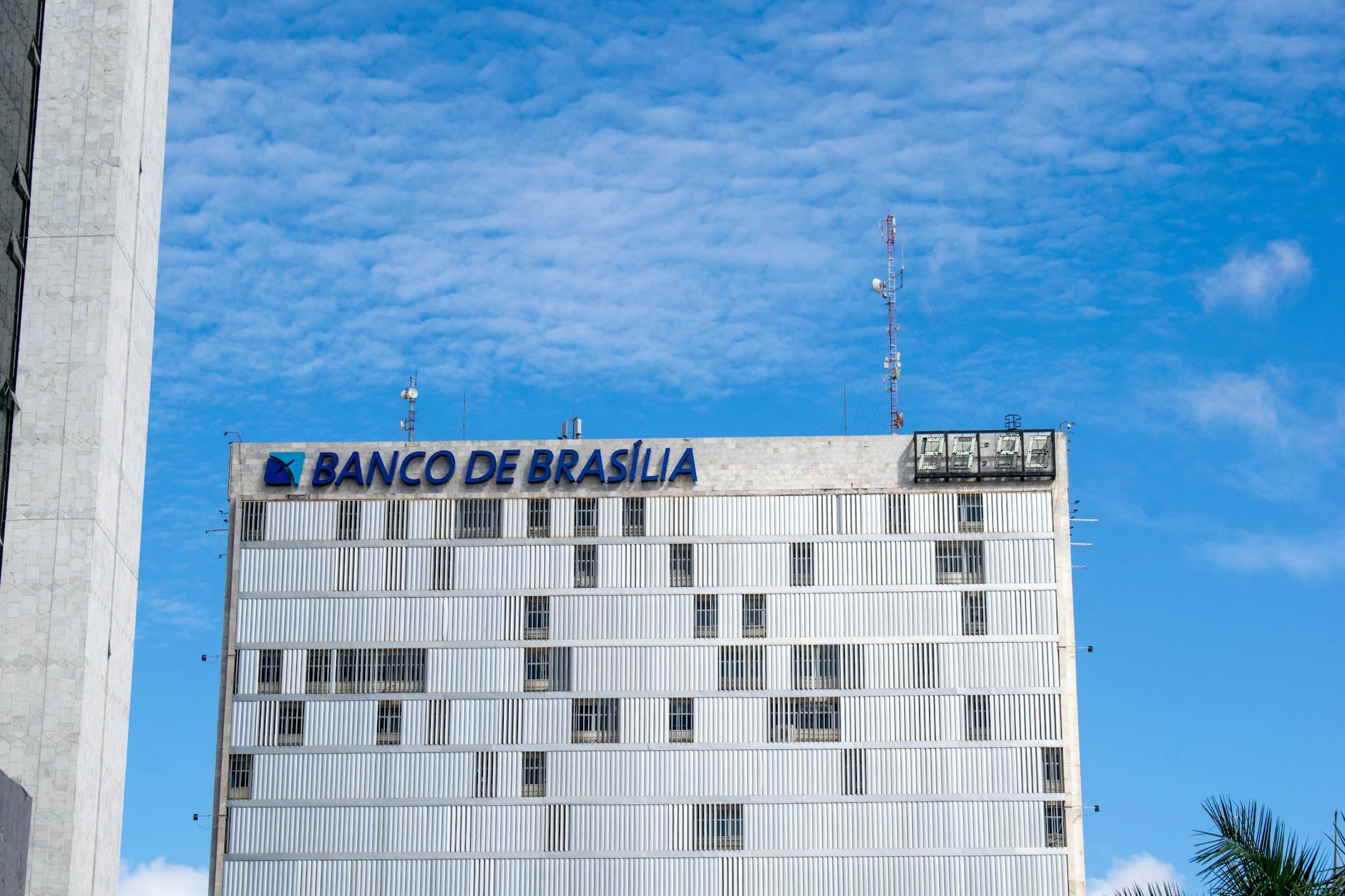
Brazil Enacts Ban on Cryptocurrency in Regulated Foreign Exchange Payments
Brazil’s Central Bank restricted the use of cryptocurrencies for settlement within its regulated electronic foreign exchange (eFX) payment system on February 25, tightening regulations around stablecoins in a bid to combat illicit activities and enhance consumer protections.
This regulatory decision highlights the Brazilian authorities’ ongoing push to improve oversight in the rapidly changing financial landscape. Cryptocurrencies and specifically stablecoins have gained traction in various sectors, necessitating stringent regulations to mitigate associated risks. This measure emphasizes the government’s commitment to ensuring the integrity of its financial systems while still permitting other regulated cryptocurrency services.
Impact of the Regulation
The ban specifically targets the use of cryptocurrencies within Brazil’s eFX system but allows cross-border payments through established fiat-based payment rails. This exclusion ensures that traditional financial processes, which are integral for maintaining global security, remain unaffected.
This regulatory adjustment aligns with trends observed in other regions. Worldwide, authorities are scrutinizing cryptocurrency practices, concerned with their potential links to money laundering and fraud. Brazil’s Central Bank clarified that the prohibition is part of a broader risk management strategy meant to create a safer environment for consumers involved in digital asset transactions.
The response from the local crypto community has been mixed. Some stakeholders argue that increased regulation stifles innovation, while others contend that clearer guidelines will provide a more stable environment for businesses and investors alike.
Market Reactions and Future Implications
As Brazil moves to tighten its embrace of fiscal stability, market analysts predict that this may lead to increased compliance costs for crypto businesses operating within the country. Experts suggest that this regulatory clampdown could position Brazil in line with emerging global standards for cryptocurrency governance, similar to moves observed in Europe and North America.
Future regulations may see Brazilian players adapting to these changes by strengthening their governance frameworks, leading towards better integration of digital assets into mainstream financial systems. There is also potential for new services and innovations that funnel stablecoin activity through regulated channels to flourish, thereby maintaining the competitive edge of Brazilian fintechs.
Overall, this decisive action from Brazil reflects the heightened awareness around the need to regulate digital assets effectively, addressing both consumer protection issues and illicit activities in the crypto space, which will impact the developing global crypto landscape significantly.