
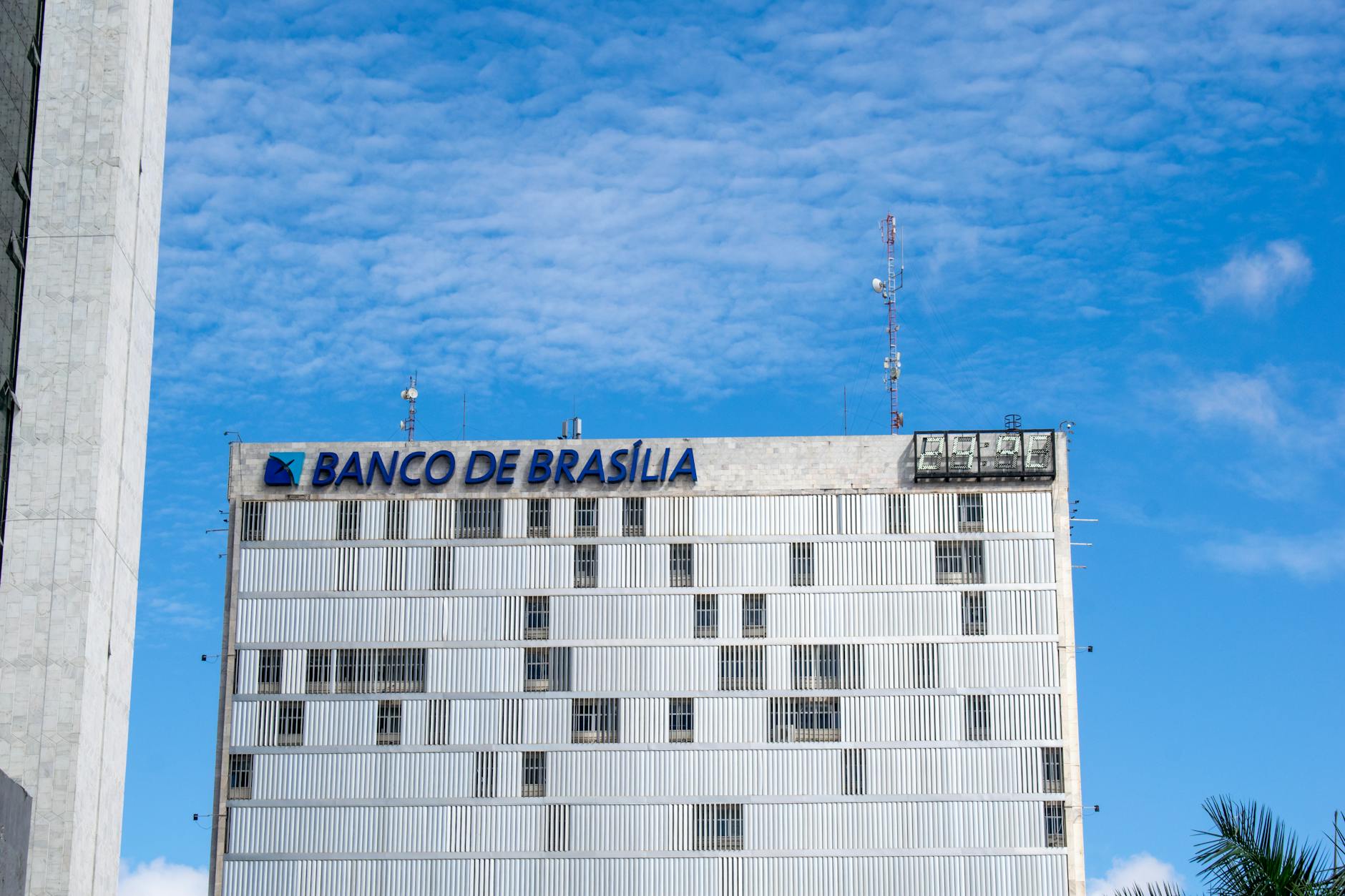
Brazil’s Central Bank Restricts Crypto Use for Cross-Border Payments
Brazil’s Central Bank has implemented a ban on the use of cryptocurrencies for international payments through Resolution No. 561, effectively barring entities engaged in cross-border transactions from employing digital assets. The resolution, announced on April 28, 2026, aims to bolster regulatory oversight and curtail systemic risks associated with the volatile cryptocurrency market.
The Brazilian government’s decision to prohibit cryptocurrency in cross-border payments follows a growing concern over the potential for crypto-related risks undermining financial stability. By restricting entities to traditional payment systems, the central bank seeks to ensure higher levels of regulatory compliance and accountability, considering the prominent role of Brazil in global remittance flows.
Market Reaction and Industry Concerns
The immediate fallout from Brazil’s announcement has sparked alarm among cryptocurrency advocates and industry stakeholders. Many fear that this restriction could stifle the adoption of cryptocurrencies within the country and limit opportunities for innovation in the financial sector. Critics argue that Brazil is missing an opportunity to integrate digital assets into its economy.
Specifically, the ban could impede the flow of remittances—an area where cryptocurrencies have begun to demonstrate considerable efficiency compared to traditional wire transfer models. The global remittance market, valued in the hundreds of billions, has increasingly incorporated digital currencies, providing lower transaction costs and faster processing times.
Market participants have expressed concern that the ban could also encourage consumers and businesses to seek alternatives, potentially driving crypto adoption underground or fostering a black market for cryptocurrency transactions. Furthermore, countries like Canada are concurrently looking at regulating crypto use in ATMs, with a similar fear of scams and fraud as motivators. The juxtaposition of these regulatory approaches raises questions about the future of cryptocurrency innovation in both hemispheres.
What Happens Next?
As Brazil’s regulatory environment tightens, analysts predict that the broader trend may lead to similar jurisdictions re-evaluating their own crypto policies. Ongoing discussions are expected within Brazil’s legislative framework, and dialogue among industry stakeholders is necessary to facilitate constructive change.
Experts argue that educating lawmakers about cryptocurrencies’ potential benefits could pave the way for more balanced regulations that safeguard consumer interests while promoting technological advancement. With rising inflation and currency devaluation often witnessed in emerging markets, cryptocurrencies present alternative financial solutions that could prove beneficial if properly regulated.








