
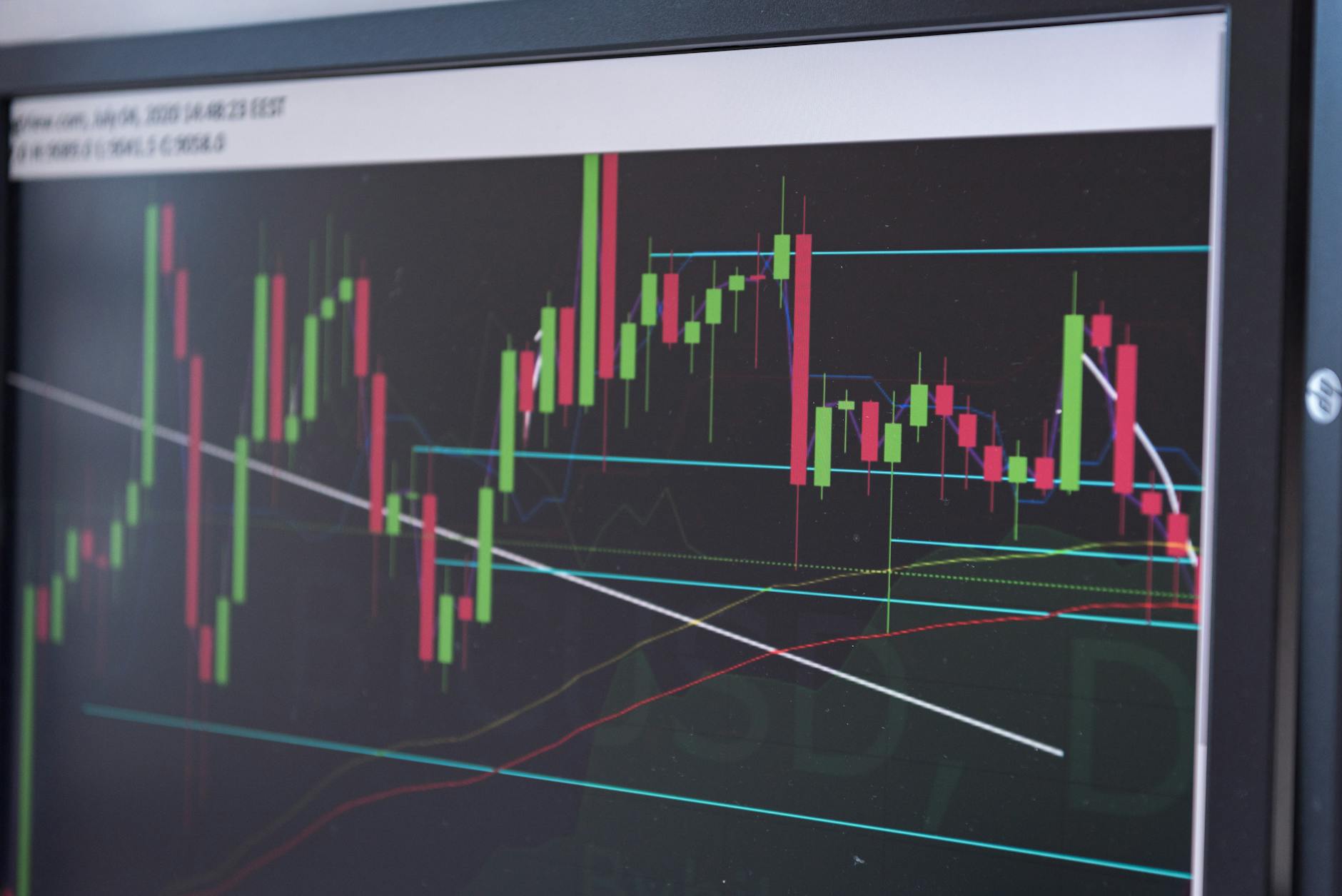
Widespread Liquidations for Hyperliquid Traders Amid Oil Price Collapse
Hyperliquid traders encountered significant liquidations following a dramatic drop in Brent crude prices, which saw its steepest decline in daily value since the onset of the COVID-19 pandemic. This sharp downturn has triggered substantial margin calls as leveraged traders are left reeling from eroded positions, raising concerns about broader implications for financial markets.
The price of Brent crude fell drastically, wiping out weeks of gains as traders reacted to changing market sentiments. Factors contributing to this plunge include shifting global energy demands and geopolitical tensions. As oil prices fell, the volatility amplified, leading highly leveraged traders to face a cascade of liquidations, particularly those betting on rising prices. Industry analysts noted this event serves as a stark reminder of the fragile nature of commodity markets, which remain sensitive to external shocks and speculative trading.
The Scale of Liquidations
Data indicates that the market witnessed over $1 billion liquidated, highlighting the scale of the trading fallout. Widespread liquidations affected not only individual investors but also major trading platforms involved in the futures market. These forced sales created a feedback loop that exacerbated the price decline of oil, pushing Brent crude down to levels not seen since early 2020.
This turmoil has reignited fears about the overall health of financial markets as a whole, especially as liquidity conditions tighten. With traders rushing to close positions, the rapid succession of sell orders further depressed prices. Market participants emphasized the need for caution, recognizing how leverage plays a critical factor in market stability.
The repercussions of these liquidations are felt throughout various commodities and asset classes, triggering risk-off sentiments. Other markets, including equities, are showing signs of strain as investors reassess their positions amid fluctuating oil prices. Given oil’s vital role in global energy supply and its impact on inflation, many analysts are already speculating that turbulent waters may lie ahead.
Market Reactions and Future Implications
Looking ahead, analysts caution that the downturn in oil prices might lead to broader market turbulence. Some experts believe that this could trigger a series of margin calls across sectors reliant on oil and energy pricing – an unfolding scenario that could increase volatility further. This situation poses the risk of contagion, particularly among highly leveraged funds or those exposed to oil-related investments.
Traders are also concerned about how this collapse could influence monetary policies, particularly as inflation pressures enter the discourse once again. Market watchers are monitoring responses from central banks regarding interest rates, as lower oil prices could impact inflation forecasts and, consequently, central bank stances. The connection between oil dynamics and broader economic indicators like inflation adds an additional layer of complexity for traders.
The trade landscape is poised on edge, as market analysts urge participants to remain vigilant and prepared for continued volatility in the weeks ahead. Each market news story and commodity price fluctuation is likely to pose greater implications as market sentiment evolves amid rising geopolitical risks worldwide.








