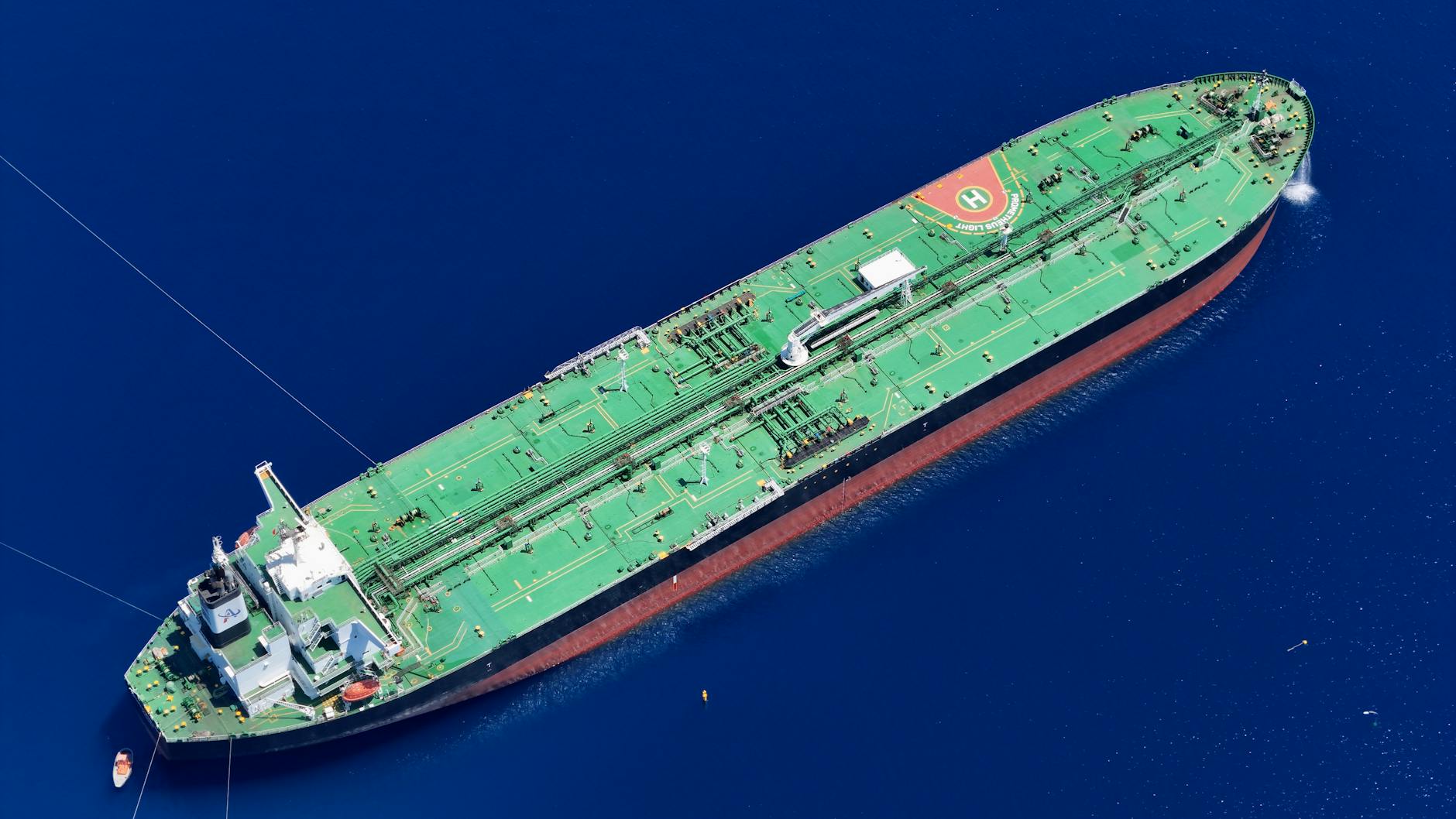
Oil Prices Surge Amid Strait of Hormuz Blockage
Brent crude rose to $94.57 per barrel on Sunday, increasing by over 5% since Friday, as reported by CNBC. The significant spike follows reports of virtually no tanker traffic through the Strait of Hormuz, which raised concerns over potential oil supply disruptions amidst geopolitical tensions in the region.
The Strait of Hormuz, a critical passage for global oil shipments, is currently experiencing a troubling reduction in tanker traffic. This is primarily attributed to heightened tensions between the United States and Iran, following Iran’s recent military actions against vessels attempting to traverse the waterway. Traders are reacting to potential constraints in Middle Eastern oil flows, driving up prices amid fears of an energy crisis exacerbated by these geopolitical events.
Geopolitical Tensions Impacting Oil Markets
The escalation of conflict in the region intensified this month when Iranian forces fired warning shots at commercial tankers, reversing previously announced plans to reopen the vital shipping route. U.S. President Donald Trump reaffirmed the continued naval blockade of Iranian ports and reported the seizure of an Iranian-flagged cargo ship, further escalating tensions and uncertainty in global markets. As a result, Brent for May delivery saw its trading price leap significantly in early trading hours as apprehension grew among traders regarding crude supplies from the Middle East.
This volatility in the oil markets isn’t just affecting energy prices; it has ripple effects across other financial assets. Stock prices have also fluctuated in response to the turmoil, with analysts watching the situation closely for the implications of sustained higher oil prices.
Market observers recall past instances during similar geopolitical crises, where oil prices spiked due to conflict in the region. As reported earlier, previous engagements in the Gulf had seen sharp surges in oil pricing, contributing to periods of market instability.
Future Projections and Industry Implications
Looking ahead, analysts express mixed sentiments about the resilience of oil prices. With a tenuous ceasefire between the U.S. and Iran hanging in the balance, market experts suggest that ongoing conflict could sustain or even escalate current pricing trends. Traders now face the challenge of hedging against supply chain disruptions or shortages that could occur if the Stait of Hormuz remains blocked.
Furthermore, the implementation of force majeure declarations by countries like Kuwait, which halt the fulfillment of oil supply contracts due to the blockade, indicates that we may see more challenges across the supply chain. In an environment already strained from previous geopolitical strife, fundamental shifts in oil supply could pose further inflationary pressures on the economy, compelling businesses and consumers to prepare for ripple effects well beyond the energy sector.