
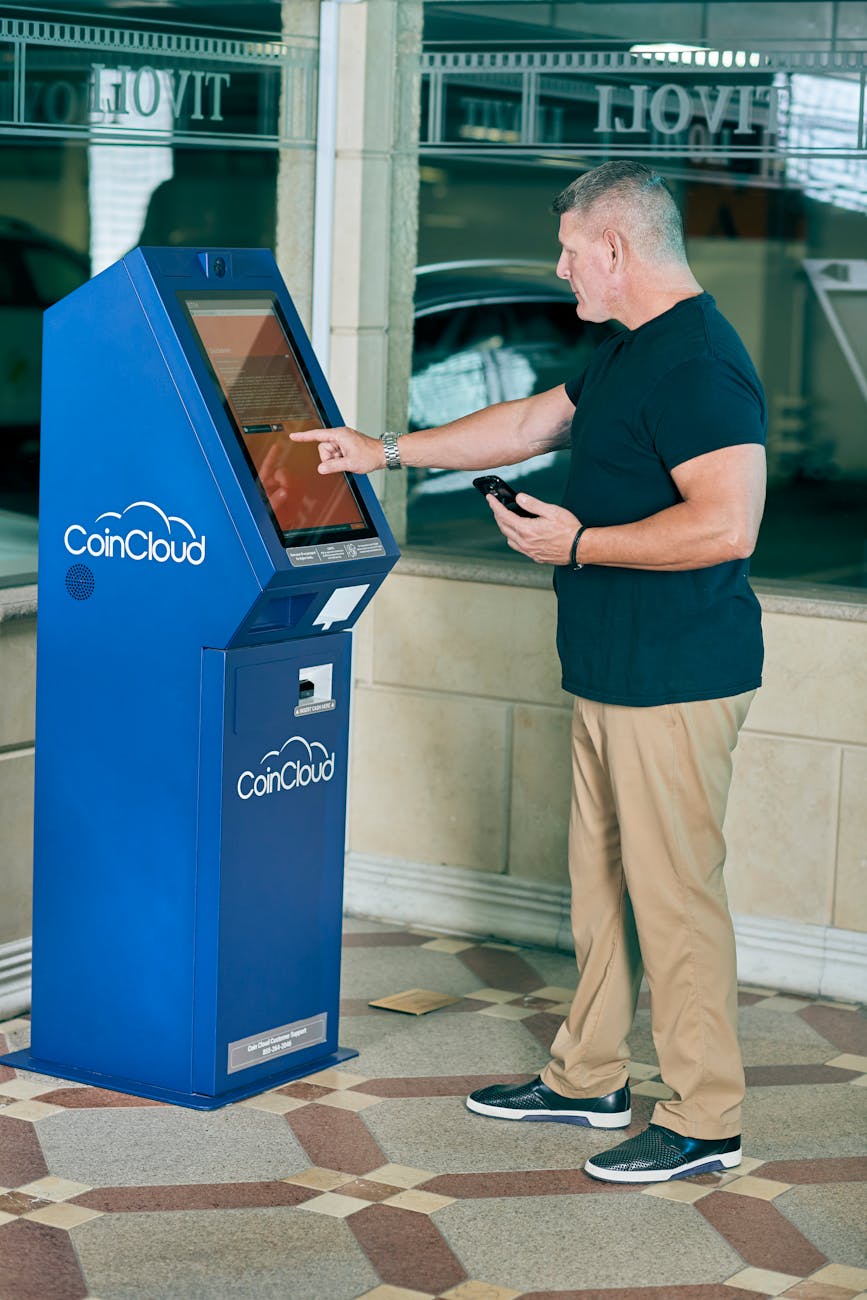
Regulatory Shift: Canada’s Plan to Ban Cryptocurrency ATMs
Canada’s federal regulatory authority announced plans on April 29, 2026, to ban cryptocurrency ATMs across the nation amid escalating fraud incidents associated with these machines. The decision comes in response to a marked increase in money-laundering and phishing scams tied to crypto-exchange kiosks, highlighting the growing need for stricter regulations to ensure consumer safety.
The move to ban cryptocurrency ATMs has become a focal point in discussions surrounding the governance of digital assets in Canada. Lawmakers and regulatory bodies have been increasingly scrutinizing the impact of cryptocurrency on financial crime and consumer protection. According to a recent report from the Internet Crime Complaint Center, losses attributable to cryptocurrency-related fraud exceeded $11 billion in the U.S. alone in 2025, emphasizing the urgent need for comprehensive regulations. This pattern of fraud, which grew markedly in parallel with the rise of digital currencies, has prompted authorities to rethink how they oversee these rapidly evolving financial technologies.
The Problem with Crypto ATMs
The identification of cryptocurrency ATMs as potential hotbeds for illicit activities raises significant concerns among regulators. Instances of fraud linked to these machines have spiked, comprising various forms of scams, including fraudsters utilizing sophisticated phishing tactics to deceive unsuspecting individuals. In Montana, for instance, losses to cyber crime reached an all-time high of $53 million in 2025, largely driven by cryptocurrency-related scams, according to the FBI.
Reportedly, criminals have increasingly turned to these ATMs to launder money or initiate phishing scams, pressuring the need for a crackdown on such machines. Stakeholders supporting the ban argue that tighter controls are essential to curb the rising trend of financial crime linked to the ATMs. The rationale for the ban is that the anonymity provided by cryptocurrency transactions creates a significantly favorable environment for criminals.
Industry Reactions and Future Implications
Industry stakeholders, including crypto advocates and vending machine operators, have expressed concern that the proposed ban could stifle innovation and growth in the burgeoning cryptocurrency sector. Critics argue that rather than enacting a wholesale ban, regulators should focus on implementing robust regulatory measures and compliance requirements for these ATMs. This perspective suggests that a blanket prohibition may not address the underlying issues of fraud and money laundering and may push legitimate crypto users toward less-regulated alternatives.
Looking ahead, the regulatory landscape for cryptocurrency in Canada may continue to evolve in response to these fraud concerns. Canada could explore other regulatory frameworks that provide comprehensive oversight without stifling technological advancement. As crypto usage grows globally, finding a balance between consumer protection and fostering innovation will be essential. This will potentially set a precedent for other jurisdictions grappling with similar challenges.
The implications of such regulatory moves will resonate beyond Canada, as governments worldwide consider similar measures in response to a spike in crypto-related fraud. Observers recommend that learning from Canada’s regulatory experience could guide best practices for other nations striving to strike the right balance between innovation and protection.








