Key Takeaways
- China’s banking regulators have directed state-owned banks to limit their exposure to US Treasuries amidst rising market concerns.
- This strategy aims to bolster China’s financial system against external shocks and signal caution regarding US fiscal policies.
- The action may shift investment strategies toward alternative assets, potentially benefiting cryptocurrencies like Bitcoin and gold.
What Happened
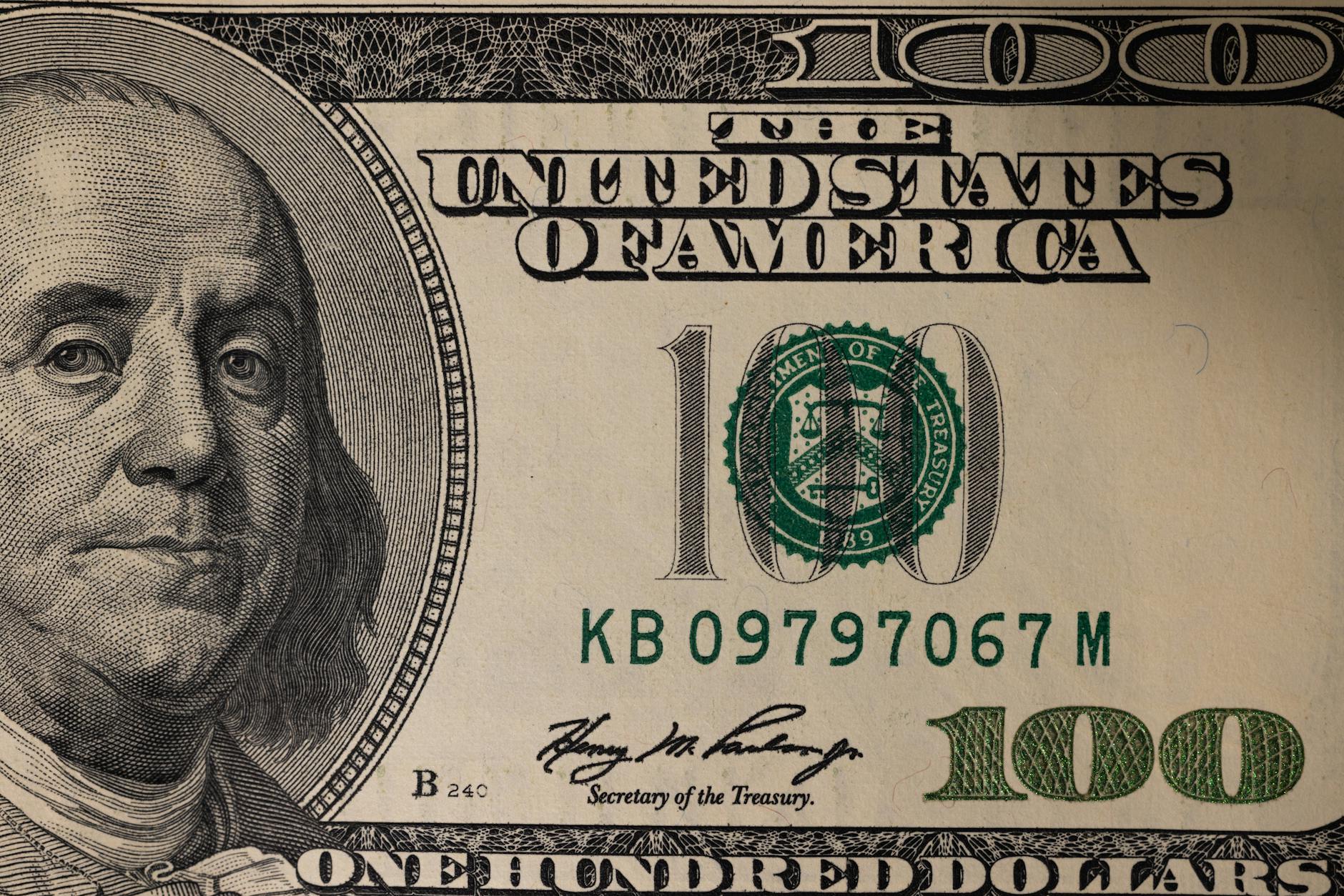
The Chinese government has taken proactive measures in response to the increasing market volatility, urging its state-owned banks to reduce investments in US Treasury securities. This directive comes from the People’s Bank of China (PBOC) and the National Financial Regulatory Administration (NFRA), signaling a strategic shift in China’s approach to managing foreign currency exposure and risk diversification. The guidance specifically targets banks’ investment portfolios, but it does not apply to the state-held reserves, as reported by CoinDesk.
Why It Matters
This significant policy shift reflects Beijing’s apprehension about the reliability of US Treasuries as a safe haven for investment. Amid ongoing uncertainty surrounding US fiscal discipline and potential shifts in Federal Reserve policy, China’s actions indicate a broader concern over how market fluctuations may impact global liquidity. Furthermore, as the overall holdings of US Treasuries by China have dwindled to around $682 billion as of January 2026, the central bank’s emphasis on lowering dollar exposure underlines a drive to protect its financial system against external risks. In recent times, we have seen a similar trend where geopolitical events have shaped cryptocurrency markets, making it essential to stay informed on developments in international finance, as highlighted in previous analyses on geopolitical events impacting cryptocurrencies.
What’s Next / Market Impact
The immediate aftermath of China’s directive saw a slight uptick in US Treasury yields, indicating some initial market reaction to the news. Specifically, the yield on 10-year US Treasuries rose to 4.24% from 4.22%. Despite this, foreign holdings of US Treasuries had surged to a record $9.4 trillion by late November 2025, suggesting that while China pulls back, other investors may still be interested. Analysts speculate that as China diversifies away from US debt, there may be an uptick in interest toward alternative assets like Bitcoin or gold, which could capture a portion of the capital previously allocated to Treasuries, particularly if market volatility persists. Trading dynamics in crypto markets may evolve as new investment strategies emerge in response to these changing landscapes.