Key Takeaways
- The CoinDesk 20 index experienced a decline of 3.4% as all its constituents saw price drops.
- Market uncertainty continues, with Bitcoin’s price stabilization below $70,000 indicating ongoing bearish sentiment.
- Key indicators suggest further potential downturns, impacting investor decision-making in the cryptocurrency landscape.
What Happened
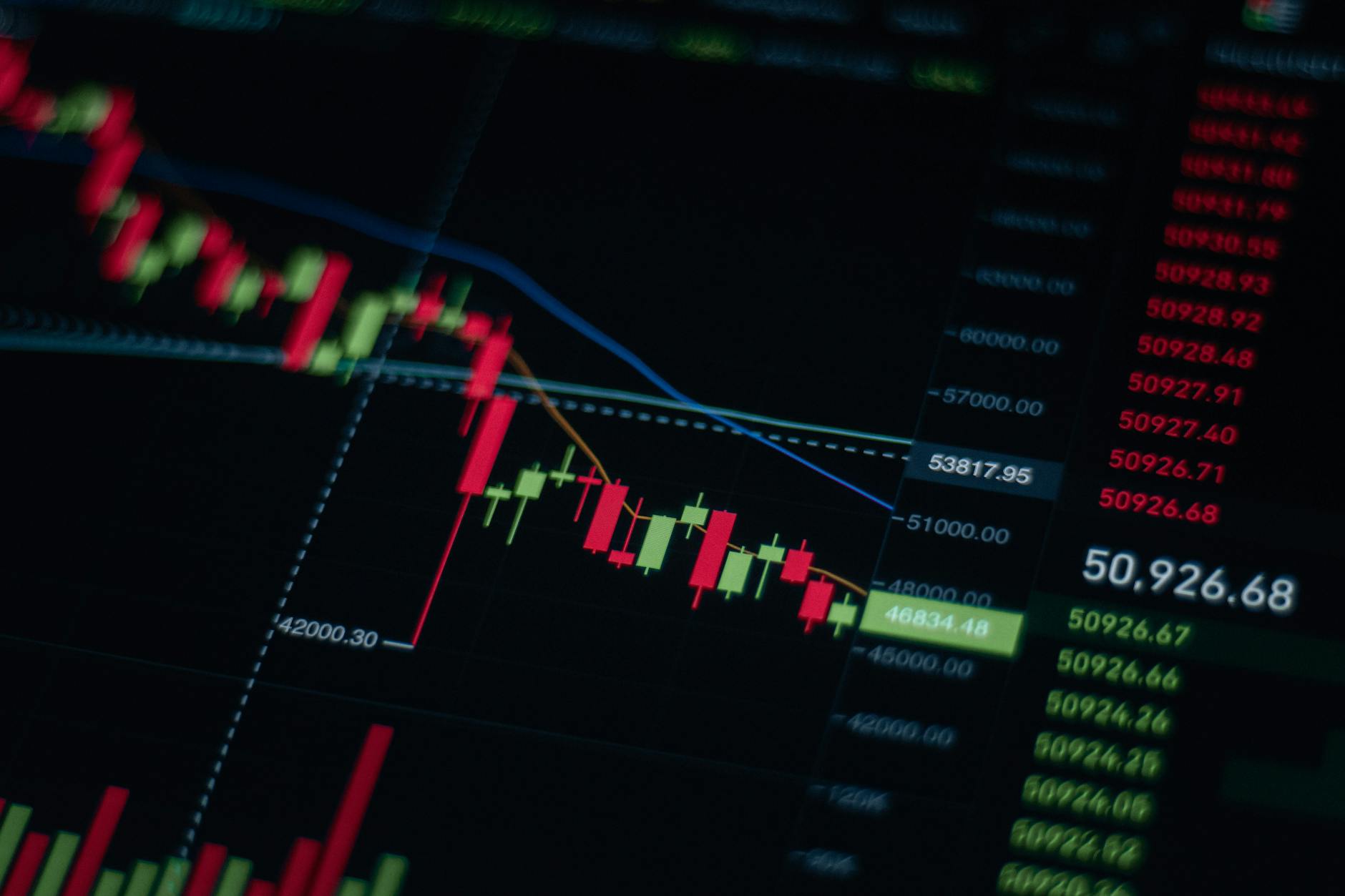
The CoinDesk 20 index marked a decline of 3.4% in its latest session, with all included assets experiencing downward momentum. This downturn continues a trend begun earlier in the week, with Bitcoin’s price slipping below $70,000 following a 2.8% drop within a 24-hour window. The full spectrum of the CoinDesk 20’s constituents, encompassing a wide range of assets, experienced trading losses ranging from modest to substantial. As reported by CoinDesk, this uniform downturn highlights a broader bearish environment within the cryptocurrency market, creating a sense of uncertainty among investors.
Why It Matters
This broader market trend is underscored by several concerning indicators. Market sentiment has leaned toward a negative outlook, evidenced by Bitcoin futures open interest plummeting from $19 billion to $16 billion and the incidence of liquidations reaching $397 million, largely driven by Bitcoin, Ether, and Solana. The persistent decline of Ether, which was noted to have dropped about 5% while still clinging to the critical $2,000 support threshold, adds to the concern regarding overall market stability. This bearish landscape compels investors to reevaluate their positions and can influence future market dynamics significantly. For more insights, consider exploring our previous analyses on these discrepancies in market behavior.
What’s Next / Market Impact
As the cryptocurrency market grapples with these declines, analysts are closely monitoring critical support levels. For Bitcoin, the liquidation heatmap data suggests that $68,160 could serve as a crucial downside threshold, with market observers noting the potential for additional pressures on prices. Furthermore, the negative sentiment has hindered liquidity, exacerbating the existing volatility as market participants await concrete indicators that could stabilize or reverse current trends. Continued declines or stabilization around these price levels could affect trading strategies going forward, particularly in volatile environments characterized by heightened caution among investors. There are transformative implications ahead, affecting everything from retail investment strategies to institutional positions.