Bitcoin Price Volatility and DeFi Progress
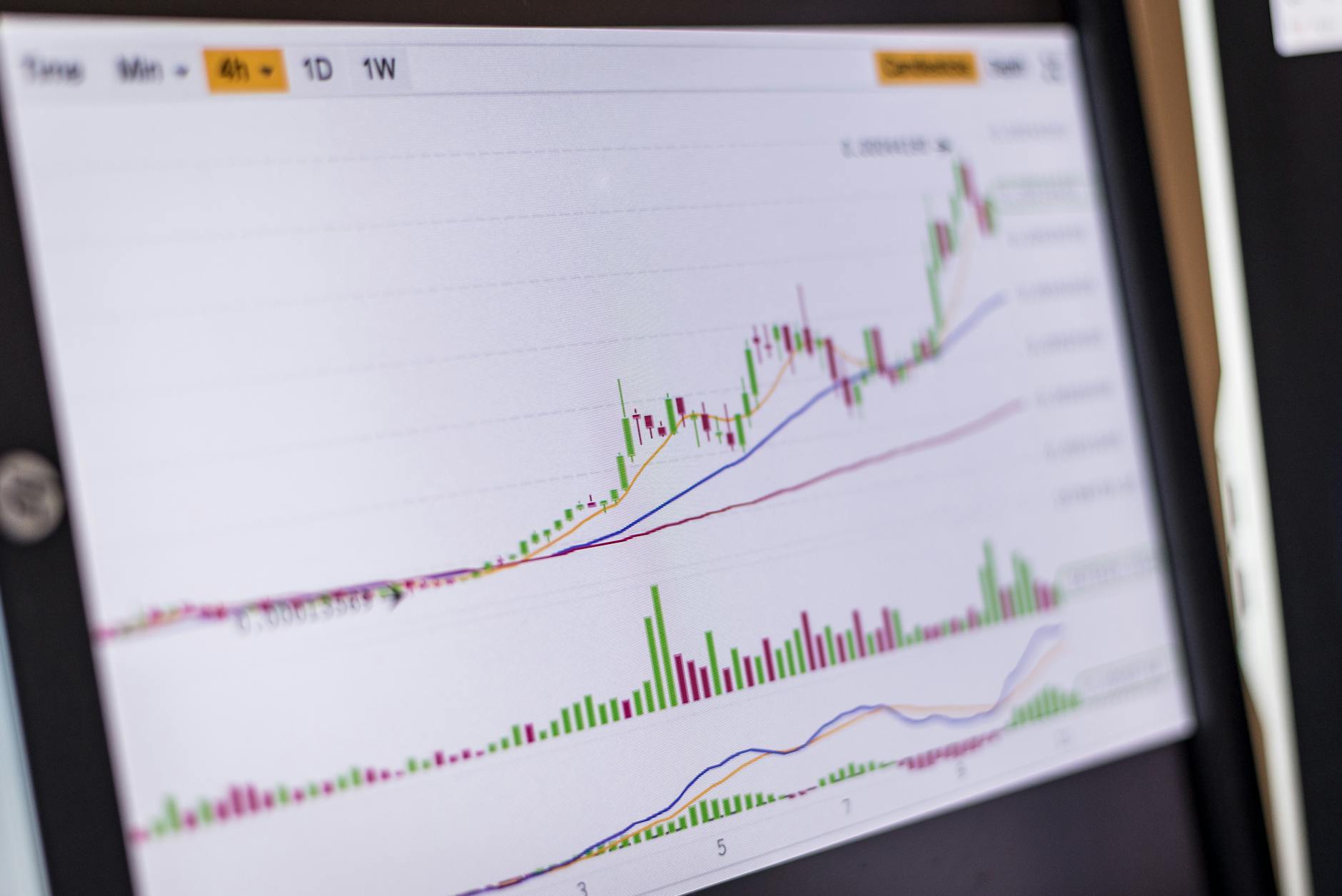
Bitcoin briefly surged above $91,000 on March 30 as traders reacted to ongoing economic developments and regulatory news. The cryptocurrency market is currently witnessing fluctuations amidst significant liquidity shifts in decentralized finance (DeFi) protocols.
Market analysts pointed to remarks from Federal Reserve Chairman Jerome Powell, who calmed concerns about imminent rate hikes, prompting a brief uptick in equities and cryptocurrencies. Bitcoin’s peak occurred just as traders began to speculate on a potential bullish trend driven by user demand and institutional activity. According to recent market reports, Bitcoin oscillated between $90,000 and $95,000, demonstrating a resilient hold above key levels amid mixed trading sessions.
Decentralized Finance Gains Traction
DeFi platforms observed an increase in total value locked (TVL), signaling growing confidence among investors and users. With $58 billion in total assets secured in various DeFi projects, liquidity levels have increased by roughly 20% in March alone, underscoring a bounce back from previous downturns.
Liquidity pools and farming initiatives in leading protocols like Uniswap and Aave are regaining popularity, attracting users with competitive yields. This resurgence hints at a renewed interest from both retail and institutional investors in DeFi projects, which were hit hard during the market downturn last year. Analysts maintain that improved interfaces and security features within these platforms are driving this shift.
The sustained growth of DeFi could lead to further innovations, such as integrated lending and borrowing services, expected to launch in response to growing demand for cryptocurrency-based financial services. Additionally, developers are exploring cross-chain functionality to enhance user experience and accessibility.
Regulatory Developments on the Horizon
The regulatory landscape around cryptocurrencies continues to evolve, particularly as global governments grapple with the implications of digital assets. Recent statements from multiple U.S. lawmakers imply that more robust frameworks for crypto regulation are forthcoming. This follows President Donald Trump’s recent declaration of a “crypto revolution,” which has drawn attention from regulators keen on formalizing oversight in the rapidly changing environment.
Market experts are keeping a close eye on how these regulatory adjustments will influence investor sentiment and market dynamics. Industry insiders posit that updated regulations could usher in a wave of new participants seeking compliant investment avenues, particularly as traditional financial institutions expand their cryptocurrency service offerings.
As the regulatory narrative evolves, analysts believe that companies will focus on compliance and transparency, aligning with investor expectations for security in their digital asset portfolios. Furthermore, developments in various jurisdictions—especially those with emerging fintech hubs—could catalyze a wave of legal clarity that may either hinder or accelerate market growth.
The NFT Market Faces Shifts
In the realm of non-fungible tokens (NFTs), market dynamics have shown signs of changing as broader adoption begins to manifest. Some platforms have reported jump in sales and user base, hinting at a robust recovery after last year’s downturn.
The functionality of NFTs is likely to expand beyond art and collectibles, as developers seek to integrate more utility into digital assets. This would involve exploring NFT applications in gaming, real estate, and digital identity verification, potentially transforming these assets into a more versatile financial tool for investors.
Looking forward, the NFT ecosystem may witness a further shift as creators and brands adapt to emerging market trends and investor demands. The sustained development of blockchain technology will play an essential role in shaping the future of this segment, making it a focal point for both tech and finance enthusiasts alike.