The Market Movement
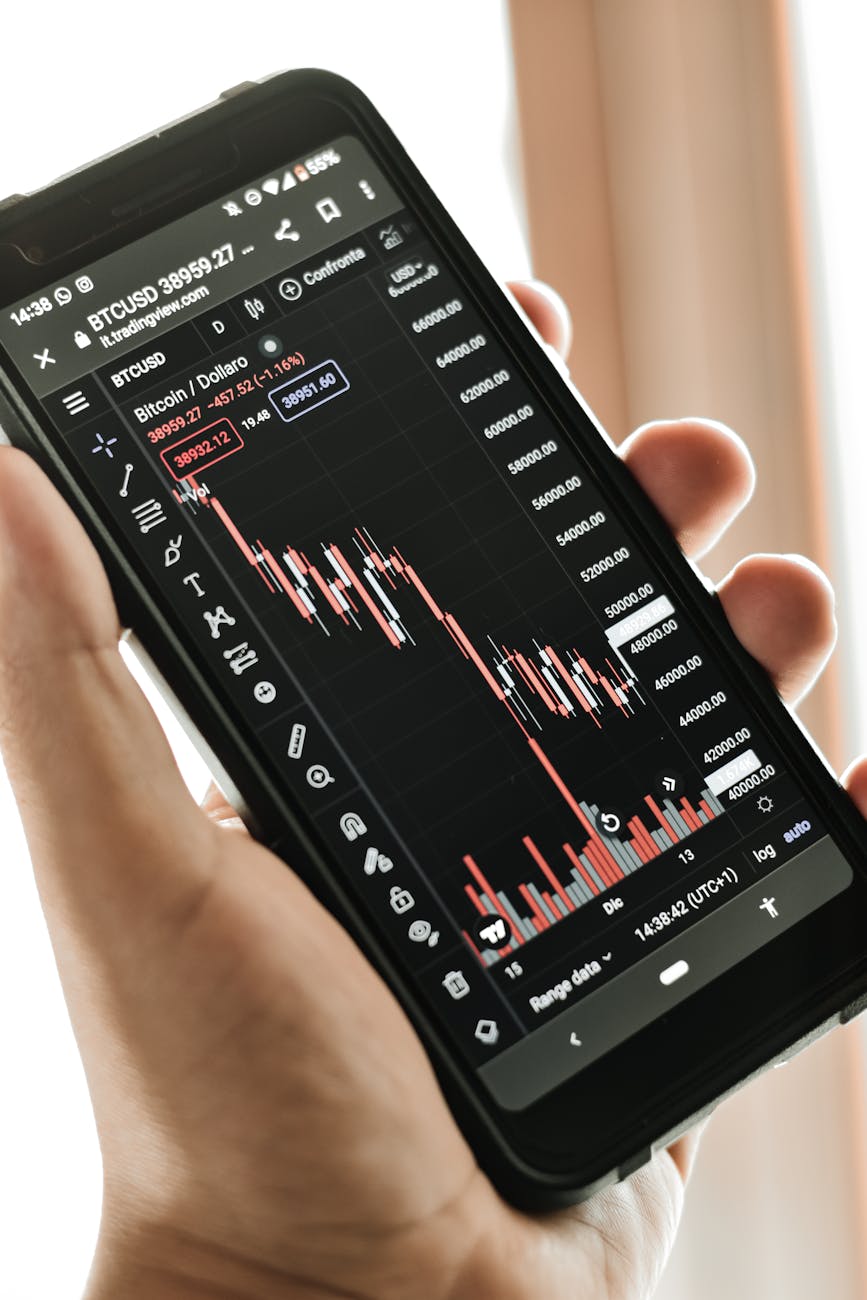
Crypto markets registered a considerable fall as crude oil prices surged to $115 per barrel amid escalating tensions in Iran, leading many investors to speculate about the upcoming U.S. inflation report. Bitcoin saw its value dip significantly, falling to approximately $67,000, with several other major cryptocurrencies following suit.
This recent downturn comes as investors brace for crucial economic data. The anticipated U.S. consumer inflation report could prompt tighter monetary policy, influencing risk sentiment across various asset classes. Increased oil prices reflect not only supply chain disruptions but also geopolitical uncertainties, notably highlighted by the ongoing situation in Iran, adding to investor anxiety.
Correlation with Oil Prices
The rising oil prices, attributed to geopolitical tensions, have historically shown a domino effect across financial markets. As crude prices increase, they often lead to inflationary pressures, causing investors to reevaluate their positions across equities, bonds, and cryptocurrencies. This illustrates the interconnectedness of different asset classes, where movements in one sphere can precipitate responses in another.
Notably, Bitcoin has often been considered a hedge against inflation; however, the immediate market reaction reveals its sensitivity to macroeconomic shocks. The falling prices underscore how quickly digital currencies can descend in value amid negative news, while investor sentiment appears heavily influenced by external factors beyond the crypto realm.
Market analysts have noted a correlation between the volatility in oil markets and that of cryptocurrencies, with the latter often responding sharply to shifts in global economic indicators and uncertainties. The days leading up to the inflation report are critical for many asset classes as institutional traders assess the landscape.
Market Outlook and Future Implications
Looking ahead, experts predict that the upcoming U.S. inflation report will play a crucial role in shaping market trajectories for both crypto and traditional assets. A higher-than-expected inflation reading could lead to increased volatility as traders adjust their strategies accordingly. Meanwhile, a favorable report could spark a recovery rally across the cryptocurrency sector.
Crypto investors will need to remain vigilant as global variables continue to complicate market stability. With institutional activity also influencing trends, fluctuations in oil prices can serve as a barometer for potential movements within cryptocurrencies. The intricate relationship between these markets reinforces the need for strategic approaches amid evolving conditions.