Markets Rattled by Tariff Uncertainty
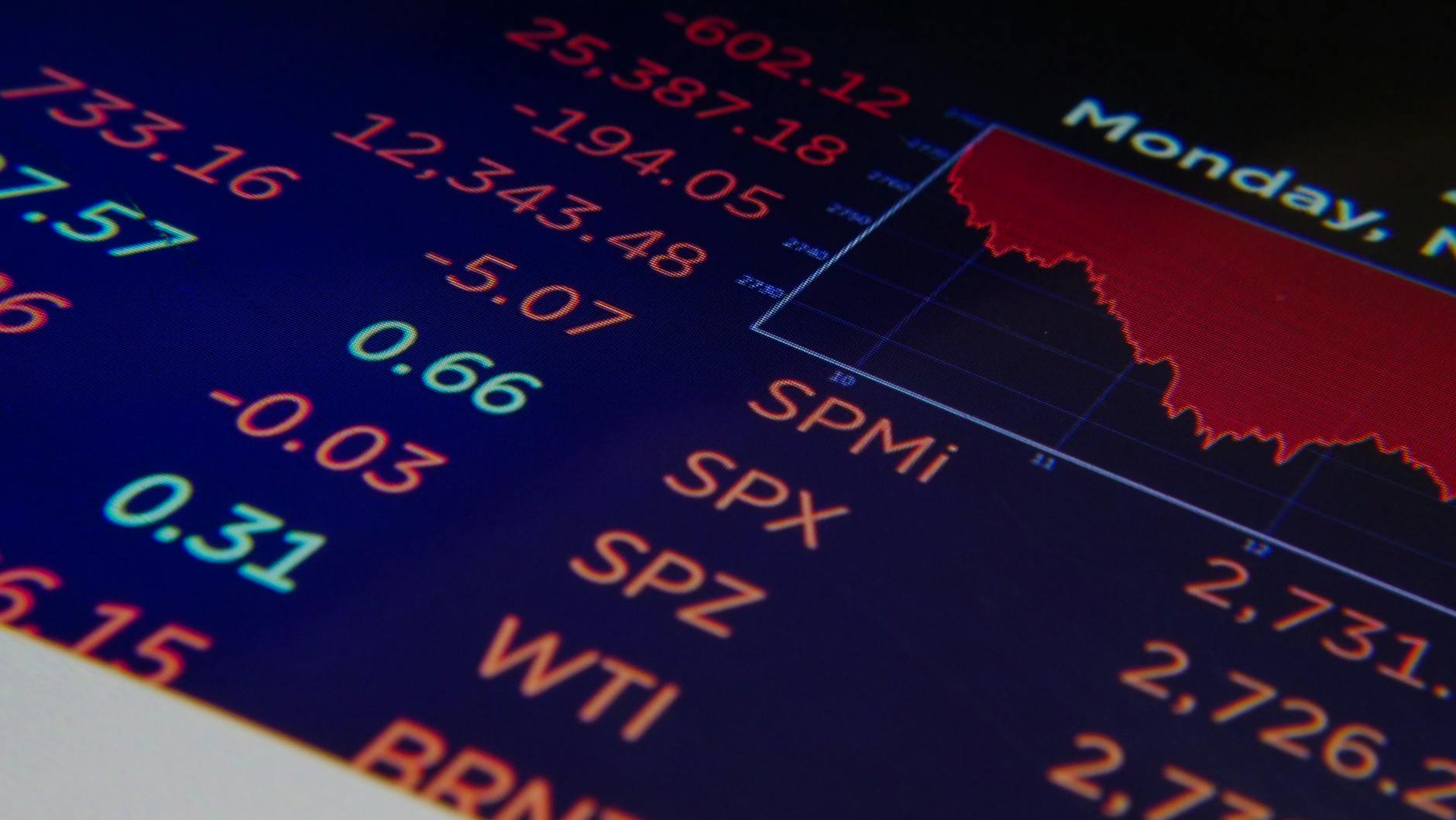
U.S. stocks plummeted on Monday, as the Dow Jones Industrial Average shed 735 points in reaction to President Donald Trump’s abrupt decision to raise global tariffs from 10% to 15%. This move, announced shortly after the Supreme Court struck down previous tariffs imposed under the International Emergency Economic Powers Act, alarmed investors and sent shockwaves across financial markets.
The broader stock market felt the impact as well, with the S&P 500 declining by 1.08% to around 6,835 and the Nasdaq Composite falling 0.7%. The overall sense of uncertainty surrounding trade policy has stoked fears about a decline in economic growth, prompting a sell-off in riskier assets such as technology stocks and cryptocurrencies.
Impact on Technology and Cryptocurrency
Technology and finance sectors were hit particularly hard, as shares of major companies like Oracle and Palantir Technologies dropped approximately 4%, and American Express saw a decline of 5-7%. The iShares Software ETF, a barometer for technology stocks, is now down about 20% year-to-date, reflecting broader concerns about the impact of artificial intelligence on traditional financial and software services. Investors are increasingly worried that advancements in AI could threaten legacy systems, leading to significant job losses and further market volatility.
As crypto markets reacted sharply, several major cryptocurrencies took a hit, including Bitcoin and Ethereum, which cascaded downward alongside the stock markets. Reports indicated growing fears of AI-related disruptions are further amplifying volatility in these digital assets, startling traders. A broader appetite for safe-haven investments emerged, with gold and silver prices rallying as a direct response to the turmoil.
What’s Next for the Markets?
As analysts assess the fallout from the tariff announcements, uncertainty remains the key theme guiding investor sentiment. Market analysts predict continued choppy trading patterns in both equities and cryptocurrencies, with heightened focus on government policies and technological advancements in AI. Any further escalation in trade tensions or unfavourable developments in the AI landscape could exacerbate market reactions.
With the economic landscape shifting rapidly, many investors may look to diversify into more stable assets as a means to hedge against anticipated volatility in the coming weeks. This bearish sentiment indicates a cautious approach might prevail, compelling participants to closely monitor ongoing geopolitical developments that could further sway market behavior.