
Federal Reserve Holds Steady Amid Inflation Concerns
The Federal Reserve maintained its key interest rate between 3.5% and 3.75% during its March 18, 2026, Federal Open Market Committee (FOMC) meeting, reacting to persistent inflation pressures and global economic uncertainty exacerbated by the ongoing conflict in Iran. This marks the second consecutive meeting where rates have been kept unchanged as officials navigate a delicate balance between tackling inflation and stimulating economic growth.
During the FOMC meeting, Federal Reserve officials expressed concerns over a potential surge in energy prices due to the Iran war, which began on February 28, 2026. The implications of such upheaval could complicate their ongoing struggle to maintain inflation at or below their 2% target. Economists noted that January’s inflation rate of 2.4% could see increases if oil prices continue their upward trajectory. Despite these challenges, market analysts pointed out that there remains a projected expectation of one 0.25% rate cut later in the year.
Bitcoin Surges Following Fed’s Decision
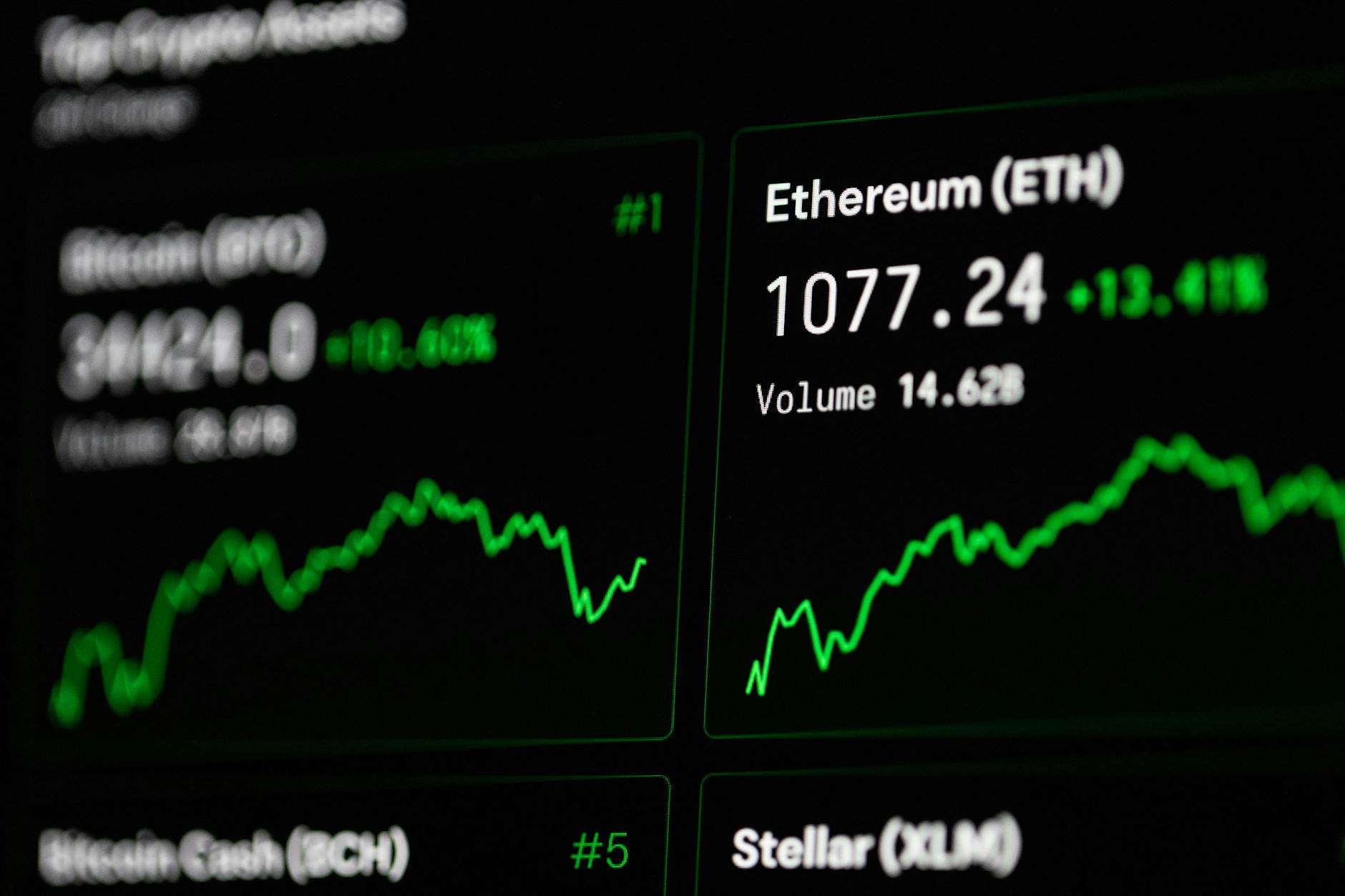
In the wake of the Federal Reserve’s announcement, Bitcoin rebounded sharply, reaching approximately $72,000—a significant increase from its earlier pullback. The cryptocurrency’s price spike is interpreted as a sign of traders’ optimism that the Fed’s decision to keep rates steady will ease borrowing costs, providing a favorable environment for riskier assets like Bitcoin. This reaction was observed despite ongoing volatility in cryptocurrency markets that underscores investor caution.
This surge in Bitcoin’s value signals that institutional investors may view the stable rates as a cushion against potential economic turbulence. Analysts noted that while this rally offers short-term growth for Bitcoin, long-standing factors—including geopolitical tensions and regulatory scrutiny—continue to pose risks for sustained price increases.
The uplift in Bitcoin’s price reflects broader enthusiasm among crypto investors and traders who are increasingly viewing the asset as a hedge against inflationary pressures. Historical patterns indicate that Bitcoin often reacts positively to accommodative monetary policy frameworks, with its price movements forming a compelling dialogue with traditional financial sectors.
Looking Ahead: Market Implications and Analyst Perspectives
Moving forward, analysts will closely monitor inflation trends and how they may shift Fed policy in the coming months. The consensus among economists suggests that any significant rise in inflation—marked by rates approaching 3.5%—could compel the Federal Reserve to reconsider its current policy stance, potentially leading to renewed discussions around interest rate hikes.
The implications of sustained high inflation point to ongoing complexities within the financial landscape, particularly for cryptocurrencies like Bitcoin. As observed, the dynamic interaction between monetary policy, investor sentiment, and external geopolitical factors will likely continue to shape market behaviors. Investors are encouraged to stay vigilant as global economic developments unfold, keeping a close eye on any signals from the Federal Reserve regarding future rate adjustments.








