Sensor Interference Warning Amid Prediction Market Payouts
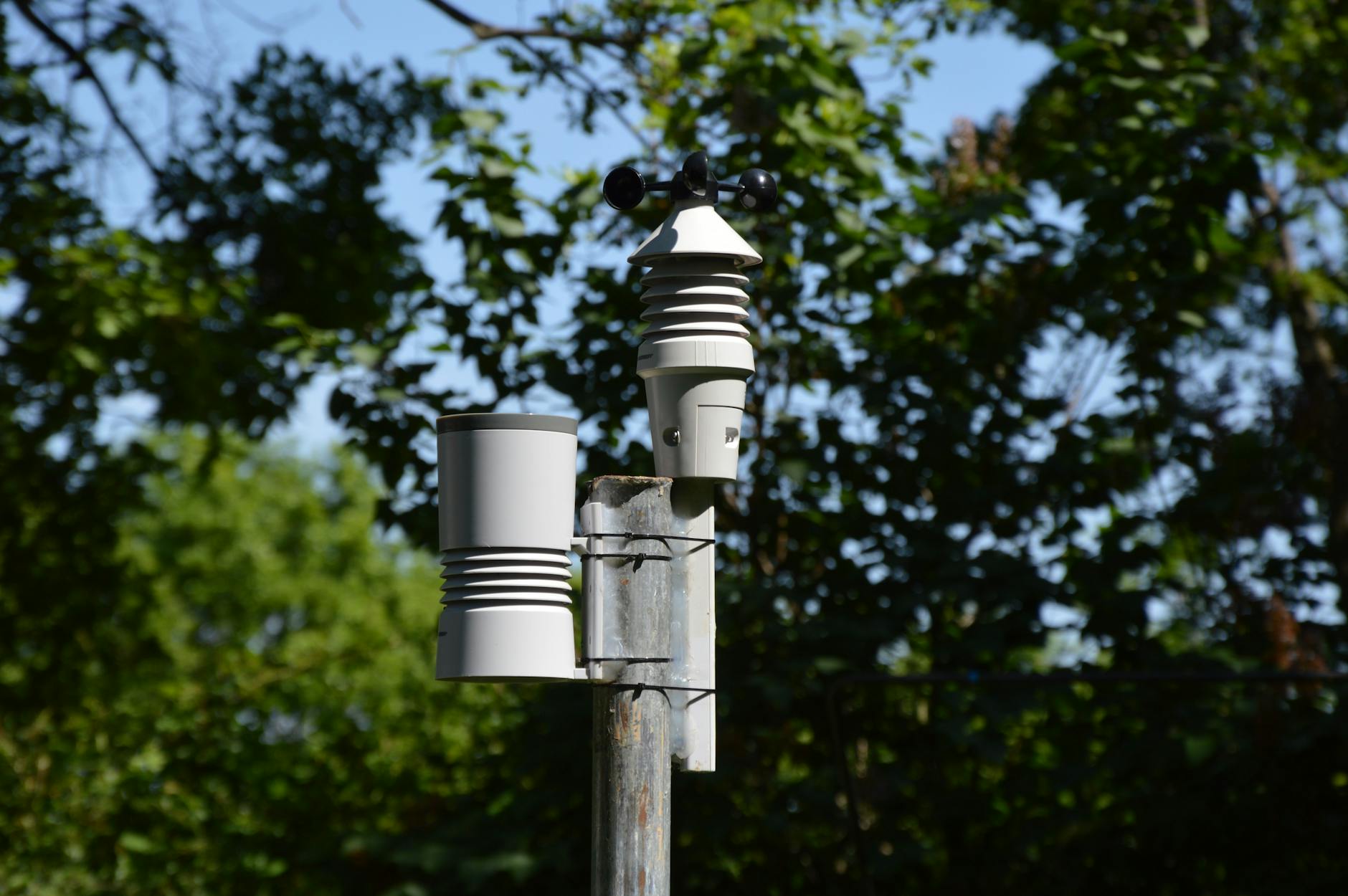
The French weather agency alerted law enforcement about potential sensor interference following $35,000 payouts on Polymarket’s prediction market regarding Paris’s daily high temperatures. This development raises alarm concerning the integrity of weather data and market reliability.
Polymarket, an online prediction marketplace enabling users to wager on various events, including weather outcomes, has recently faced scrutiny. The French weather agency’s concerns stem from unusual betting patterns, particularly involving low-probability wagers that disproportionately influenced market payouts. These developments not only compromise the accuracy of weather readings but also shake investor confidence in the betting platform’s operational transparency.
Investigative Actions Underway
In light of the suspicious activities, the French weather agency is collaborating with local police to investigate the validity of the weather data used by Polymarket. The concern is that such interference could lead to misinformation about Paris’s climate, subsequently impacting wagers and the overall integrity of the prediction market.
This incident highlights the vulnerability of data-dependent platforms. Prediction markets require reliable data to function effectively, and any interference jeopardizes their reliability. If users perceive that weather metrics can be manipulated, it could lead to decreased participation in such betting activities.
While the market for prediction bets has seen a notable surge, dependence on authentic data is paramount. Analysts observed that the focus on outlier bets might influence broader betting patterns, leading to systemic risk in prediction accuracy.
Implications for the Future
Moving forward, experts suggest that this incident could prompt regulators to impose stricter oversight on prediction markets, specifically concerning data integrity measures. Authorities might require more robust verification protocols to ensure data reliability when used in high-stakes betting contexts.
This scrutiny could set a precedent for other markets reliant on real-world data, potentially extending beyond weather metrics to political events and economic forecasts. The mechanism for protecting data integrity will shape the framework for regulatory scrutiny in various sectors, emphasizing the need for enhanced compliance measures to foster public trust.