Key Takeaways
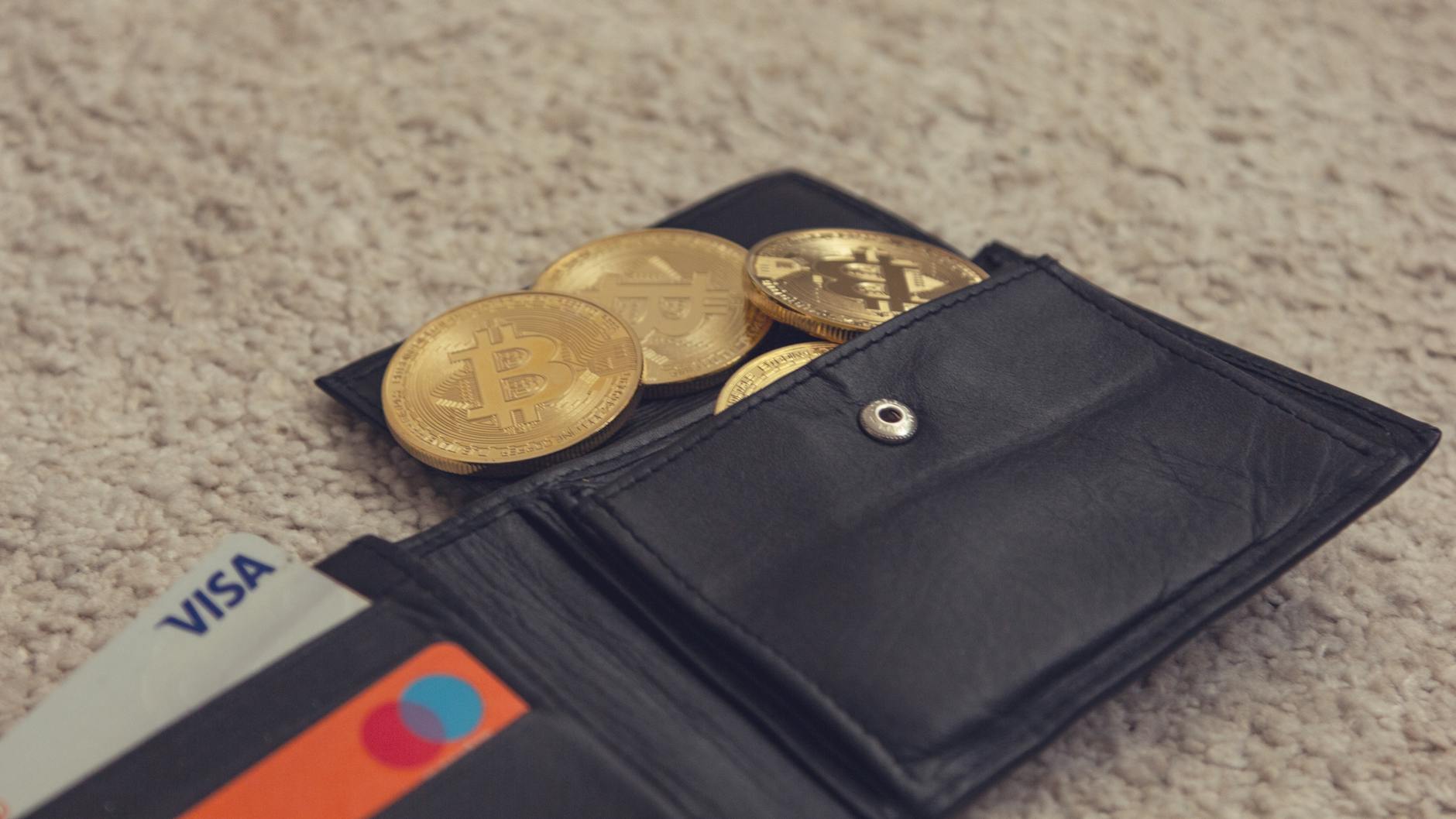
- A hacker recently returned 320 Bitcoin, valued at approximately $21 million, to South Korean authorities after initially stealing it from a gambling platform in 2025.
- The return of funds followed the freezing of the hacker’s wallet, limiting their ability to liquidate the stolen cryptocurrency.
- The incident raises ongoing concerns regarding the security of crypto assets in national custody, especially concerning phishing vulnerabilities.
What Happened
A hacker has unexpectedly returned around 320.8 Bitcoin, worth approximately $21.4 million, to South Korean authorities. This incident was reported by CoinDesk, which highlighted that the funds had originally been stolen in August 2025 from a gambling platform. The theft was made possible when investigators inadvertently revealed their wallet recovery seed phrase to a phishing site, allowing the hacker to access the seized assets unnoticed until a recent routine check revealed the missing Bitcoin on January 23, 2026. Following the return of the funds on February 18, prosecutors have moved the Bitcoin to a local exchange for safekeeping while continuing to investigate the hacker’s identity.
Why It Matters
This case is particularly significant within the context of crypto asset security and the precautions needed to safeguard digital currencies. The recovery of the stolen Bitcoin underscores the importance of blockchain technology’s inherent transparency, allowing legal authorities to track and potentially recover stolen assets effectively. However, the initial lapse in security raises critical questions about how prepared institutions are to defend against phishing attacks. This incident also prompts a broader discussion on the necessity for enhanced cybersecurity measures, especially in sectors that manage digital assets, as noted in our previous analysis on navigating the cybersecurity challenges in the crypto landscape.
What’s Next / Market Impact
As Sarang Soh, a prosecutor at the Gwangju District Prosecutors’ Office, stated, law enforcement agencies will continue to pursue the hacker, even after the return of the funds, indicating that they are committed to deterring similar cybercrimes. The freezing of the hacker’s wallet on centralized exchanges hindered their ability to cash out the stolen Bitcoin, likely contributing to their decision to return the funds. Currently, forensic analysis and blockchain investigations are underway to uncover the hacker’s identity, which may lead to the enhancement of security protocols across the board. This situation serves as a cautionary tale reminding investors and authorities alike about the persistent risks involved in the digital asset space, and the critical need for robust cybersecurity measures to protect against phishing and other cyber threats. Recent reports indicate that cryptocurrency thefts are increasingly sophisticated, highlighting the need for ongoing vigilance in this evolving landscape.