Blockchain Initiative for Cargo Trade Data
The Hong Kong Monetary Authority (HKMA) and authorities in Shanghai signed a Memorandum of Understanding on March 2, 2026, to develop a blockchain-based platform aimed at enhancing cargo trade data integration, an initiative poised to modernize trade finance and boost economic resilience between two crucial financial hubs.
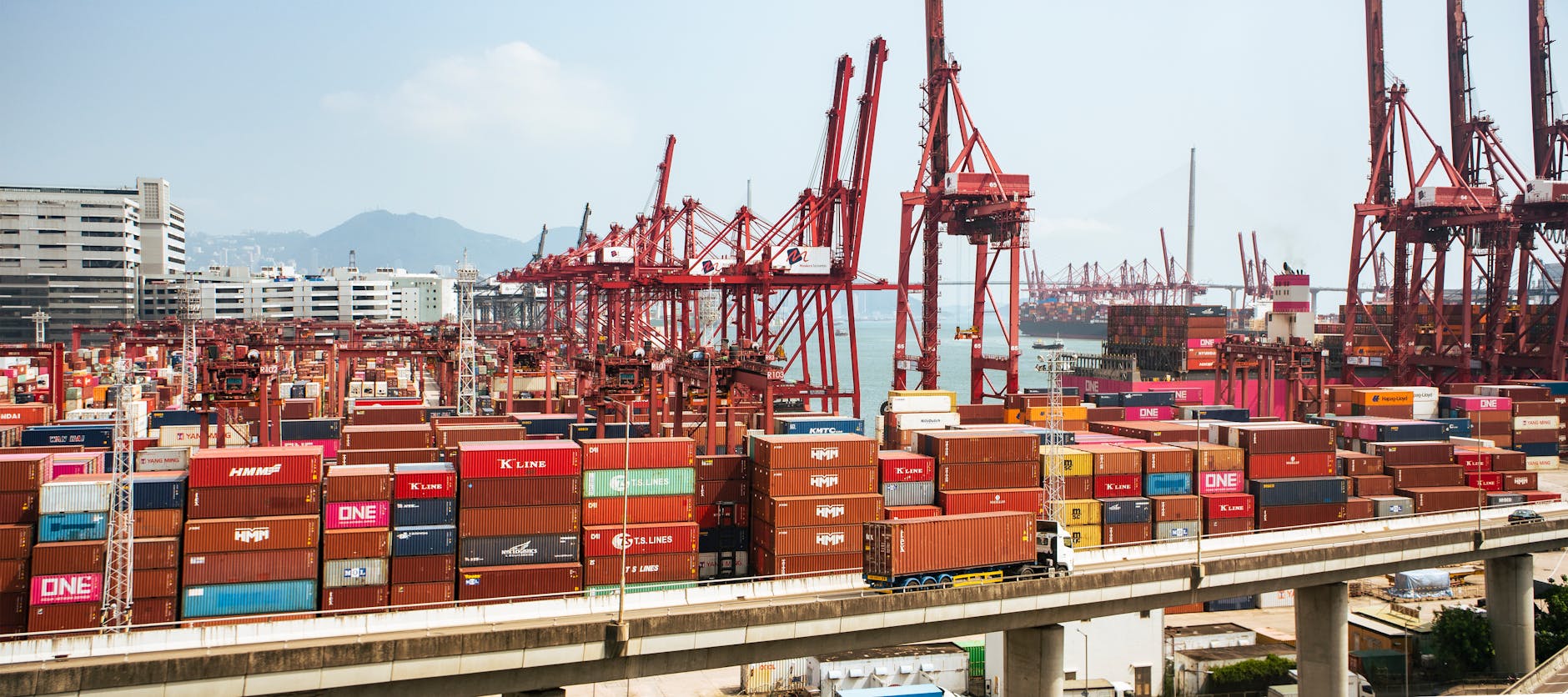
This joint effort, known as Project Ensemble, seeks to streamline documentation processes by connecting cargo trade data, electronic bills of lading, and financial information. The planned integration aims to mitigate challenges such as excessive paperwork, fraud, and settlement delays in the $1.5 trillion annual cargo finance sector, addressing longstanding inefficiencies that have hampered international shipping operations.
Technical Focus of Project Ensemble
Utilizing blockchain technology, Project Ensemble will ensure secure data sharing while linking Hong Kong’s international finance systems to mainland China’s logistics networks. The collaboration focuses on incorporating the HKMA’s Commercial Data Interchange (CDI) and platforms like CargoX, without involving cryptocurrency trading, indicating a strong emphasis on established financial practices rather than speculative crypto dealings.
This technical framing allows the initiative to facilitate a smoother flow of trade execution, enabling accurate tracking, swift transactions, and verified documentation. In his comments, HKMA Deputy Chief Executive Howard Lee highlighted the significance of this project as an “important milestone” for financial innovation, pointing to the goal of enhancing cross-border trade efficiency and fortifying the resilience of supply chains amidst global uncertainties.
Strategic Goals of the Collaboration
With Hong Kong positioned as a “super connector,” this initiative aims to position the territory as a gateway for Chinese trade with international markets. By integrating Shanghai’s data strengths, the project aspires to cultivate innovative applications that can benefit all parties involved.
Dr. Shao Jun, Director of the Shanghai Data Bureau, pointed out that leveraging Shanghai’s robust data capabilities will lead to advancements in digitized cargo trade and financing processes. This collaboration reflects a common aspiration to establish a seamless economic environment that can withstand external shocks, particularly pertinent in today’s volatile global trade landscape.
Developers, including key players from global banks and logistics firms, may significantly shape the success and scalability of the platform as it moves forward. The project is set to begin joint exploration of blockchain applications, with swift implementation plans emerging from the memorandum of understanding.
Expectations for Future Adoption
As the two cities embark on this joint venture, industry experts foresee a ripple effect across the broader trade finance and logistics sectors. The success of Project Ensemble could pave the way for other regions to adopt similar blockchain frameworks, fostering more efficient practices globally.
While the immediate future will hinge on feedback from stakeholders, including logistics companies and banks, the ambition lies in crafting a replicable model that could reshape international trade protocols. If successful, this initiative might herald a new era of digitized finance in logistics, characterized by greater transparency, enhanced security measures, and reduced operational friction.