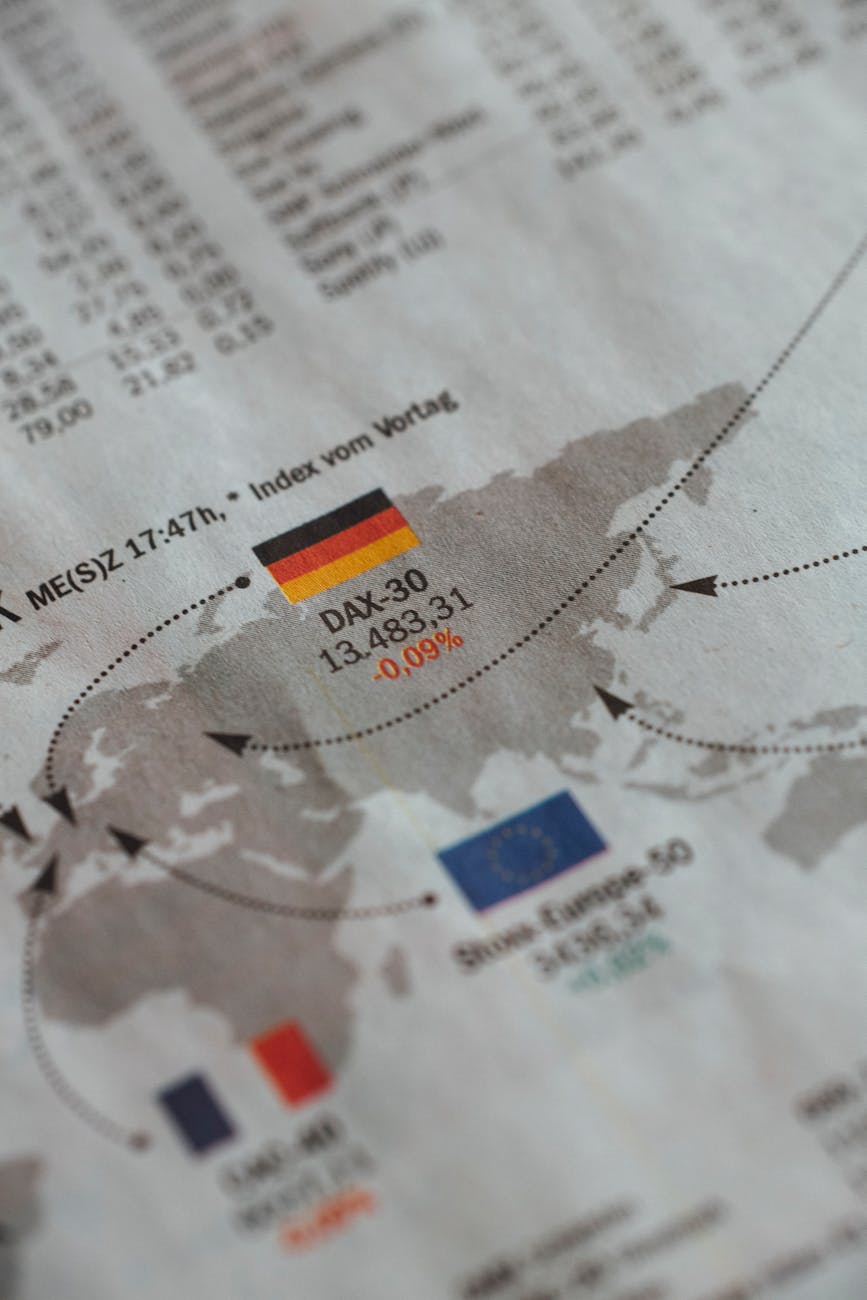
IMF Adjusts Growth Forecast Amid Global Tensions
The International Monetary Fund (IMF) has revised its 2026 global growth estimate down to 3.1%, highlighting escalating tensions in the Middle East as a significant contributor to this decline. The IMF’s update comes as geopolitical risks increasingly dampen trade and investment prospects worldwide, warranting greater caution among global economic stakeholders.
This adjustment signals a growing concern regarding economic momentum, particularly as various nations grapple with the implications of conflict in the Middle East—exemplified by rising oil prices and inflationary pressures. In conjunction with the growth forecast downgrade announced earlier this week, the IMF has raised its inflation projections, indicating that the pressure on prices might be steeper than previously anticipated, according to a recent report by Crypto News.
Impact on Specific Economies
Economies worldwide are feeling the strain, particularly those that are heavily reliant on imported energy. For instance, Cambodia’s growth outlook for 2026 has been slashed from an initial forecast of around 4% to as low as 2%, as reported by Mekong Strategic Capital. The rising fuel prices resulting from ongoing Middle Eastern tensions are cited as significant factors behind this gloomy revision, complicating an already uneven domestic economic landscape.
Meanwhile, participants of the recent IMF and World Bank spring meetings in Washington expressed deep concern over the potential for a global economic slowdown. Kristalina Georgieva, the IMF’s managing director, noted the heightened uncertainty faced by countries due to the frictions in the Middle East, stating, “Some countries are in panic,” underscoring the urgency of resolving the ongoing conflicts to stabilize global markets.
The lingering effects of rising energy prices intertwine with inflationary pressures, making it increasingly challenging for policymakers to set effective monetary policies. Eurozone central bank representatives have indicated that the timing and trajectory of rate adjustments are less certain amid the conflict-driven volatility.
Market Reactions and What Lies Ahead
Market analysts anticipate that the adjustments made by the IMF will reverberate through global financial markets, affecting investor sentiment and economic performance. The prospect of heightened determination to boost energy supplies, particularly if Iran reopens the Strait of Hormuz, has created tentative optimism among some stakeholders. Yet, ongoing conflict coupled with the inflationary environment raises questions about sustainable growth.
Looking ahead, it is plausible that upcoming economic policies will need to grapple with these tumultuous dynamics to navigate potential recession risks. Economists suggest that countries may need to prioritize economic resilience strategies that are adaptable to geopolitical disruptions, which could include diversifying energy imports or increasing investments in renewable resources.
As the international community contemplates the long-term implications of the IMF’s latest outlook, the importance of economic cooperation becomes paramount. Global markets will be closely monitoring the developments in the Middle East, as any escalation in conflict is likely to complicate recovery efforts worldwide, particularly for nations already feeling the economic strain.