
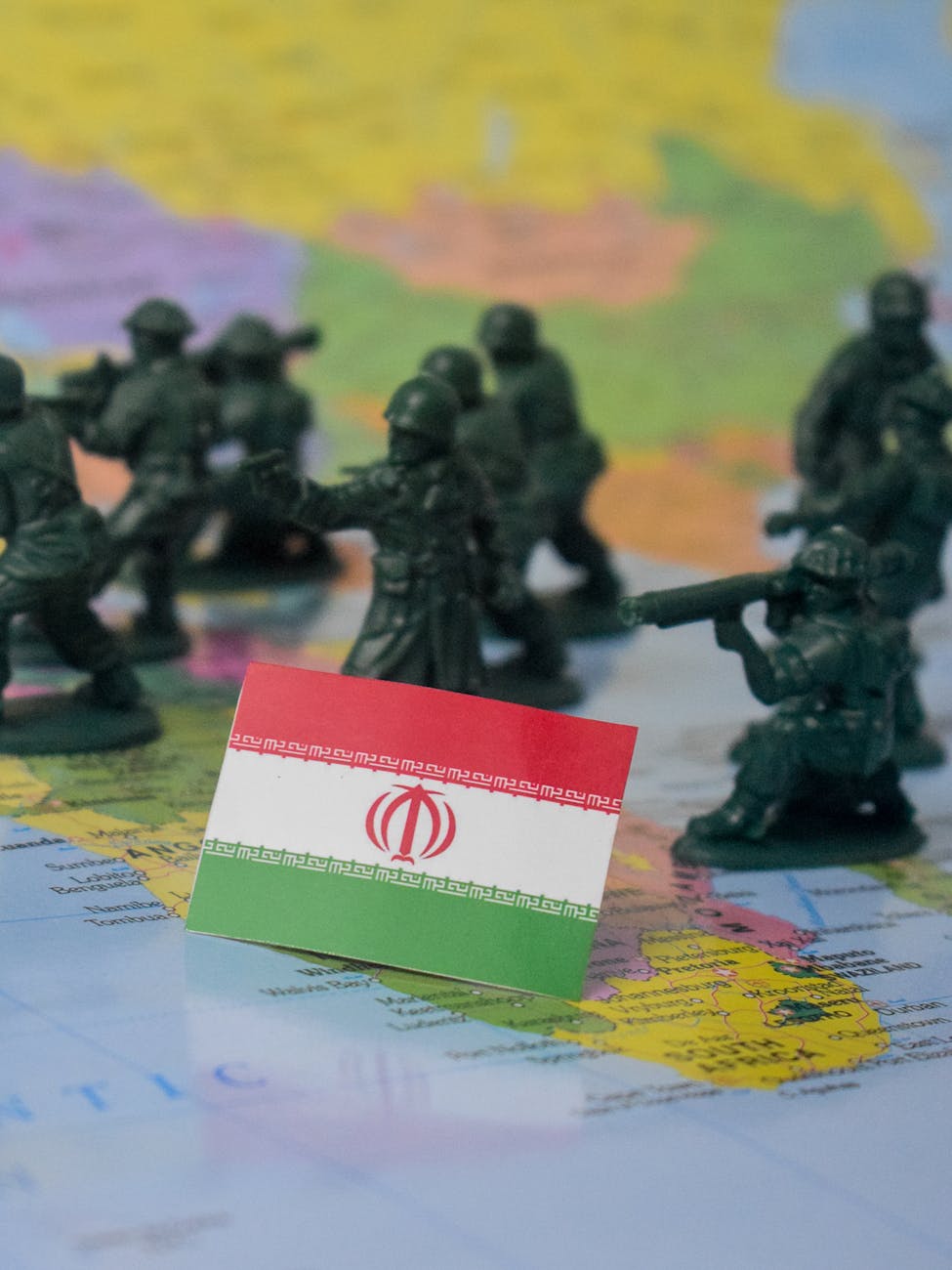
Tension Escalates in the Middle East Following Attacks
Iran attacked Saudi Arabia’s East-Wave Pipeline on April 8, severing the flow of crude oil by several hundred thousand barrels, shortly after a ceasefire deal was brokered between the U.S. and Pakistan. This incident has raised substantial concerns over the stability of the newly established truce.
The ceasefire, which aimed to reduce hostilities between Iran-backed factions and regional adversaries, had only just taken effect when Iran targeted the pipeline. The attack underscores the delicate nature of the agreement, previously thought to be a significant step towards easing tensions in an already volatile region. According to analysts, this sudden escalation poses alarming questions about the sustainability of the ceasefire and the potential for renewed conflict.
Israel Responds with Air Strikes
Within hours of the strike on the pipeline, Israel executed its most extensive airstrike campaign on Lebanon to date, focusing on Hezbollah positions in what Israeli officials claim was a necessary act of defense. Israeli Prime Minister Benjamin Netanyahu stated that the ceasefire agreement, while effective with Iran and the U.S., “does not include Lebanon,” explicitly indicating that Israeli military operations would continue against perceived threats originating from the country.
The airstrikes have resulted in significant casualties, with reports indicating at least 182 fatalities and widespread destruction, deepening Lebanon’s humanitarian crisis, which had already been exacerbated by ongoing political instability and economic challenges. Dr. Tania Baban, the Lebanon country director for MedGlobal, characterized the Israeli assaults as “not targeted attacks,” highlighting the indiscriminate nature of the strikes which left thousands of civilians in precarious situations.
Market Reactions and Geopolitical Implications
The escalating violence has raised alarm in global oil markets, with prices already volatile due to tensions around the Strait of Hormuz—a critical chokepoint for oil transportation. Analysts note that any sustained disruptions could ripple through global energy prices, impacting economies heavily reliant on oil imports. Experts are closely monitoring the situation, warning that a failure to stabilize the region could fuel further military engagements, driving oil prices up and contributing to global inflationary pressures.
Investors are advised to prepare for heightened volatility in energy markets as the ramifications of these events unfold, potentially reshaping the landscape of Middle Eastern geopolitics. Moreover, the potential for retaliatory actions and further escalations remains a significant concern.
What Comes Next for the Region?
Looking ahead, the fragility of the ceasefire and current military actions could spark wider conflict in the region. Some analysts predict that without immediate diplomatic interventions, both states may intensify their military postures, leading to broader military engagement across the Middle East. Regional players are expected to recalibrate their strategies, particularly if attacks continue to escalate.
The broader implications stretch beyond oil into the realms of international relations and economic stability. Analysts highlight the strategic importance of maintaining open communication lines among stakeholders, urging diplomatic efforts to solidify peace agreements in a region long plagued by unrest.








