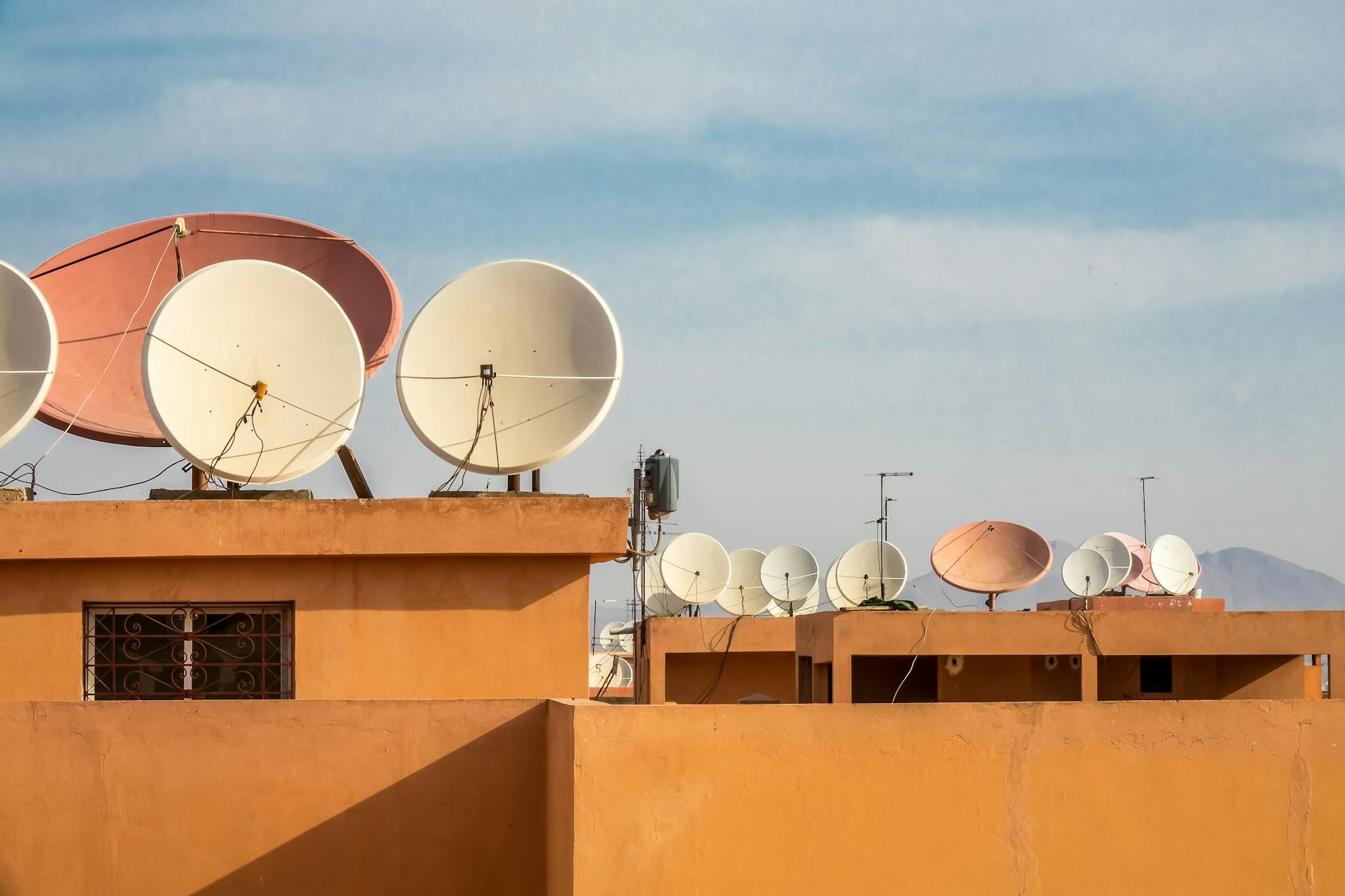
Iran’s Internet Disruption Deepens Amid Geopolitical Tensions
Iran’s government has enforced a stringent nationwide internet blackout, now exceeding 360 hours, as tensions escalate with the United States and Israel amid ongoing military conflicts. This blackout, one of the longest in Iran’s recent history, severely restricts citizens’ digital communication and information access, raising concerns among human rights advocates and citizens alike, according to recent reports.
The current wave of restrictions commenced on February 28, 2026, following military strikes attributed to the US and Israel that reportedly resulted in approximately 1,300 Iranian casualties, including significant political figures. In retaliation, Iran launched strikes against various regional targets, effectively igniting a volatile geopolitical situation that has warranted these extreme measures of information control.
Government Crackdown on Access Solutions
As the blackout stretches beyond what many citizens can bear, alternative communication methods such as satellite internet provided by SpaceX’s Starlink have gained public interest. However, the Iranian regime has cataloged these efforts as serious security threats, leading to an organized campaign to disable the use of Starlink terminals, thereby targeting users who attempt to bypass governmental restrictions. Reports indicate that Iranian authorities have employed jamming techniques against these satellite services, resulting in significant packet losses, hampering connectivity for users seeking reliable internet access.
This heightened scrutiny represents an aggressive digital suppression strategy, with Iranian citizens relying on Starlink despite potential repercussions. To compound the issue, the government has initiated threats against telecom providers and VPN services, seeking to enforce compliance with the shutdown.
Digital rights advocacy organizations, including Human Rights Watch, have condemned these actions, asserting that governmental control over internet access violates fundamental human rights and poses heightened risks for civilians, particularly those with no means of alternative communication.
Impact on Civil Society and Broader Implications
The extended shutdown effectively isolates a significant portion of Iran’s populace from the outside world, obstructing essential information flow and making the organization of protests increasingly difficult. Since the beginning of the blackout, internet connectivity has plummeted to as low as 1-4 percent of normal usage, rendering civil society incapable of coordinating responses to the ongoing crises and limiting access to real-time news updates. As a result, the government can manage narratives presented to the public more effectively, reinforcing their grip over societal stability.
Beyond connectivity issues, the blackout aligns with recent strategic regional maneuvers, including the temporary closure of the strategically vital Strait of Hormuz, through which approximately 20% of the global oil and liquefied natural gas trade occurs. This blockade has raised the stakes for conflicts in an already precarious geopolitical landscape, potentially inducing long-lasting effects on global energy markets.
As sanctions continue to escalate against Iran, there is palpable concern about the ramifications for civil society and the economy. Activist organizations warn that the coupled effects of sanctions and communication blackouts exacerbate humanitarian issues. Critics argue that the Iranian government is leveraging crises as a diversion to quench dissent while limiting access to information about its actions.
The Future of Iran’s Internet Services
Looking forward, the situation poses critical questions regarding the resilience of Iranian civil society amid state control and access limitations. Should the geopolitical landscape remain volatile, analysts predict continued reliance on technologies like Starlink, despite the risks involved. This ongoing struggle for connectivity may well encourage greater citizen innovation in circumventing governmental control, potentially inspiring further dissent against state-imposed restrictions.
The global community may need to keep a close eye on Iran, as developments in digital rights could catalyze shifts in broader regional dynamics, encouraging a more rigorous examination of digital suppression tactics and appropriate response strategies from international allies.