Iran’s Recent Maritime Actions
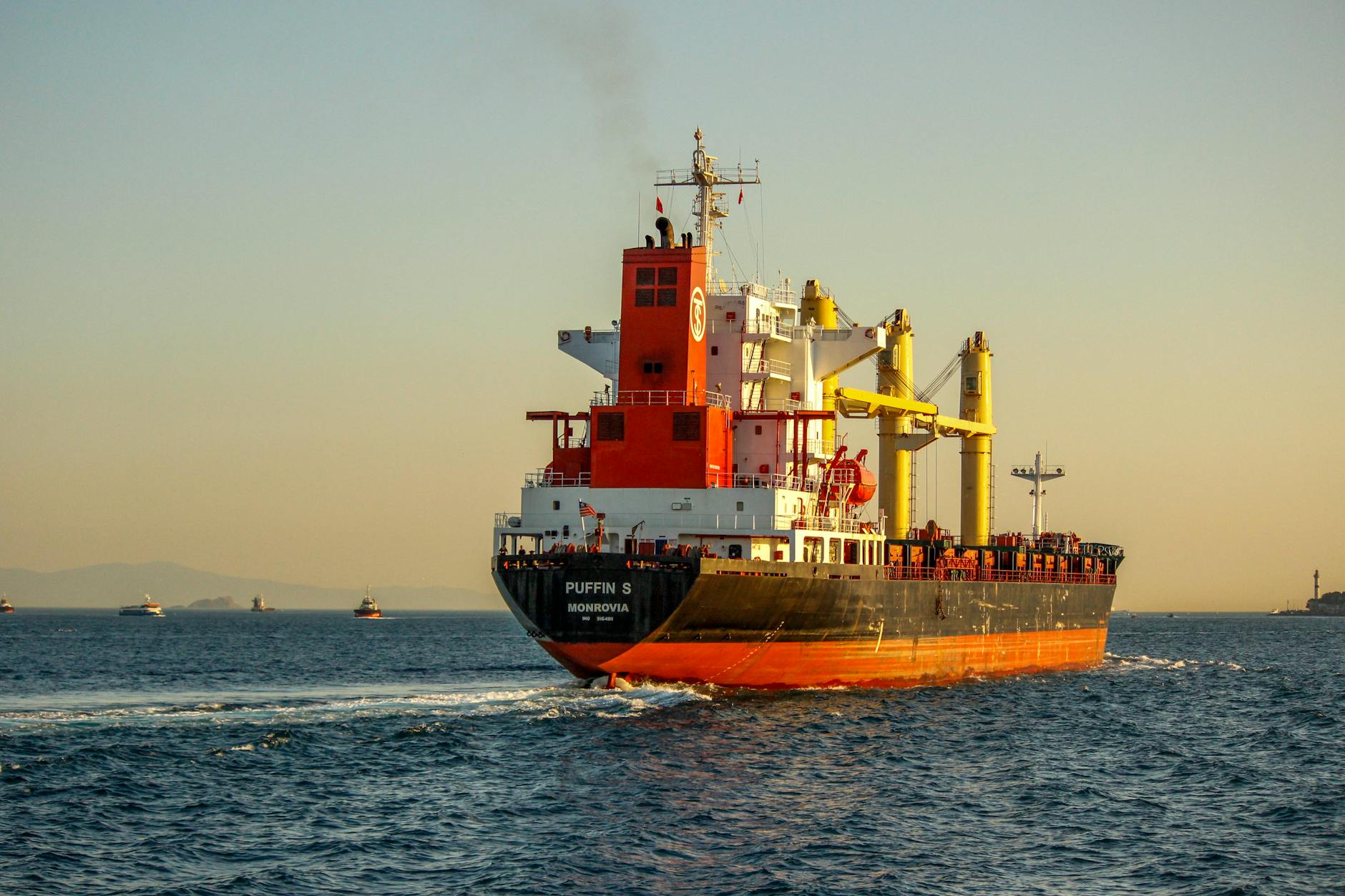
Iran’s Revolutionary Guard seized two container vessels in the Strait of Hormuz on April 22, shortly after President Donald Trump announced an indefinite extension of the ceasefire with Tehran. The incident has exacerbated existing tensions in a region crucial for global oil transit, where about 20% of the world’s oil passes.
This seizure marks a significant escalation in Iran’s assertiveness in the waterway, especially as it is the first time Iran has taken vessels since hostilities intensified in February. The move reflects Iran’s ongoing reluctance to trust U.S. intentions, especially with the U.S. naval blockade of Iranian ports still in place. The seizure was justified by Iranian officials as the ships were reportedly crossing the strait without authorization, according to state news agency Tasnim.
Tensions Rise Amid Ceasefire
The backdrop to this maritime confrontation lies in the fragile ceasefire that Trump announced was extended at the request of Pakistani officials. The decision came amid ongoing U.S. military measures, including a reinforced blockade designed to restrict Iranian shipping activities in the region. Trump’s administration has maintained that these military operations are necessary for a successful negotiation process, despite the strain placed on diplomatic efforts by Iran’s recent actions.
In retaliation, Tehran has expressed skepticism toward the ceasefire’s efficacy. An Iranian presidential adviser claimed that the extension is merely a tactic for the U.S. to gain time before a possible strategic strike, thus signaling that any diplomatic overtures could be seen as insincere. The ceasefire’s delicate balance could now be upended with incidents like the recent ship seizures, which further complicate the negotiation landscape.
According to maritime tracking data, vessel traffic through the strait has been significantly limited since Trump’s announcement, with several foreign ships opting to avoid the area. Only about six ships, including three oil tankers, reportedly transited the waterway on the first day following the ceasefire extension. This indicates that the risks associated with navigating the strait have grown, leading to cautious maritime operations.
The Path Forward
With negotiations at a standstill, the likelihood of further maritime incidents in the Strait of Hormuz seems high unless a resolution is reached. Experts indicate that for both sides, the stakes are increased, particularly given Iran’s need to assert its position amid ongoing economic sanctions and the U.S.’s strategic military posture in the Middle East. The situation demands close monitoring as further escalation could disrupt global oil flows and ignite broader geopolitical tensions.
The international community remains focused on how the U.S. will respond to Iran’s actions and whether these developments will lead to a reevaluation of diplomatic strategies. The continuation of the naval blockade and ongoing Iranian assertiveness in securing its interests in the Strait could set the stage for further conflicts, complicating the landscape for both U.S. policymakers and Iranian leadership.