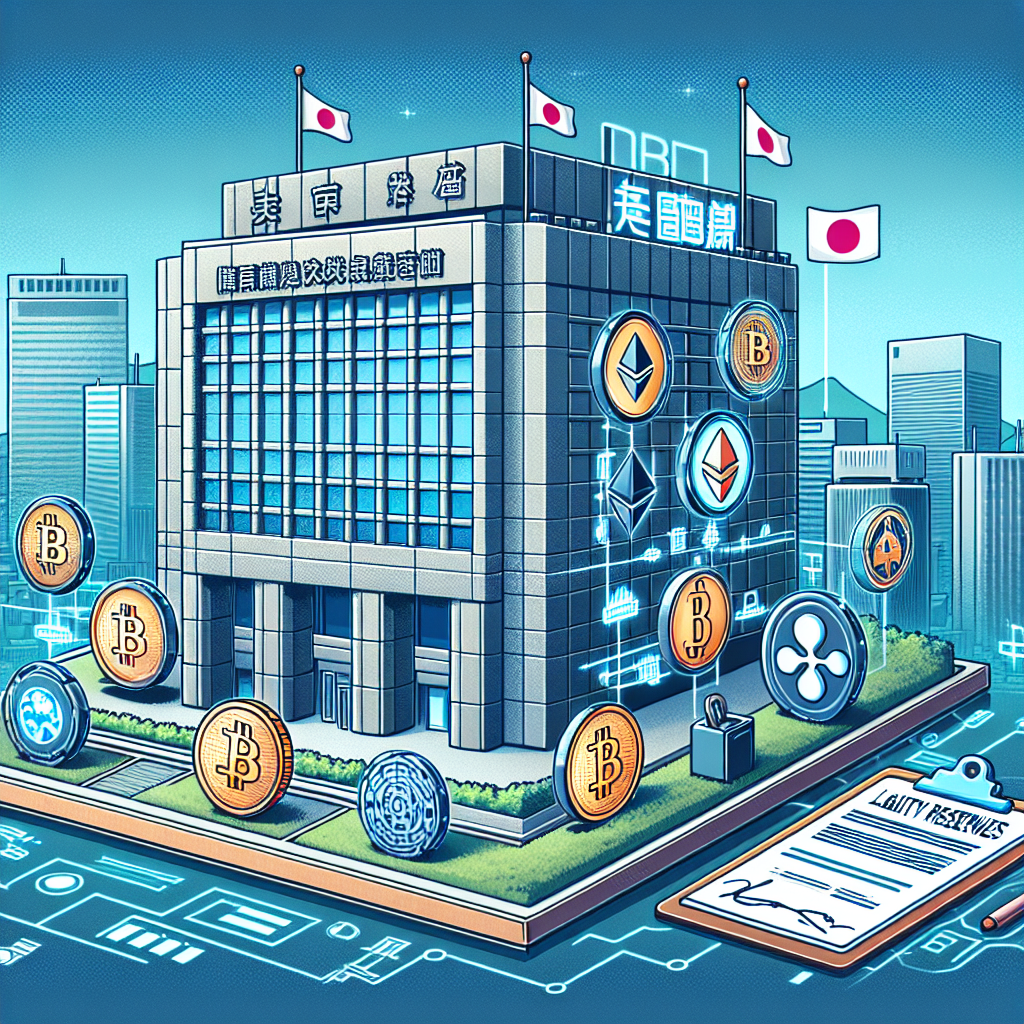
Japan’s FSA Introduces New Rules for Crypto Exchanges: What It Means for You
If you’ve been following news in the cryptocurrency world, you may have heard that Japan is about to change how crypto exchanges operate. The country’s top financial watchdog, the Financial Services Agency (FSA), is planning to require crypto exchanges to hold liability reserves. In simple terms, this means exchanges will need to keep extra funds set aside in case something goes wrong — like a hack or a sudden shutdown.
But what does that really mean for everyday users like you and me? Is it a good thing or something to worry about?
Let’s break it down in plain English.
What Is Japan’s FSA and What Are They Doing?
Japan’s Financial Services Agency (FSA) is basically the country’s version of a financial safety monitor. They make sure that banks, insurance companies, and even cryptocurrency exchanges play by the rules and protect their customers.
According to recent reports, the FSA is about to roll out a new rule requiring crypto exchanges to build liability reserves. This means exchanges will have to hold a certain amount of money aside—like an emergency savings account—to cover customer assets if disaster strikes.
Why Is This Happening Now?
Ever since high-profile crypto hacks like the Mt. Gox disaster and the collapse of FTX, governments around the world have been taking a closer look at how exchanges operate. And Japan is no stranger to these issues — in fact, it was home to one of the biggest crypto events in history, the Mt. Gox hack in 2014, which saw around 850,000 bitcoins disappear into thin air.
So now, Japan is tightening the screws to make sure crypto trading is a safer and more secure experience for everyone, especially retail investors who may not fully understand the risks.
So, What Exactly Are Liability Reserves?
Let’s imagine for a second that a cryptocurrency exchange is like a bank. You deposit your money so you can trade, right? Now, what happens if that exchange gets hacked or suddenly goes bankrupt?
That’s where liability reserves come in.
They’re like insurance policies stored in the form of actual cash or crypto. If something bad happens, the exchange can use those reserves to pay back customers instead of leaving them high and dry.
- Protects your funds during emergencies
- Boosts trust in crypto platforms
- Encourages responsible financial management by exchanges
Kinda makes sense, right?
How Will This Rule Affect Crypto Exchanges in Japan?
According to the report, the FSA will require these platforms to hold enough funds to match their customers’ deposits. Think of it like a one-to-one backup system. If customers together have 100 million yen deposited, the exchange should have another 100 million yen locked away as backup.
This isn’t just about protecting users — it’s also about keeping the entire crypto ecosystem stable and trustworthy.
Potential Upsides for Exchanges:
- Better reputation as a secure platform
- More users might be willing to trade
- Could attract institutional investors
However, there are some challenges too. Smaller exchanges might find it hard to comply because setting aside large reserves can affect their cash flow. This could lead to some platforms shutting down or merging with bigger companies.
What Does This Mean for Crypto Users Like You?
If you’re a casual trader or someone just dipping your toes into the world of digital currencies, this change should actually be reassuring.
Why? Because your funds are more likely to be safe if something goes wrong — just like how your bank guarantees deposits up to a certain amount. You won’t need to constantly worry about whether your exchange is on the brink of collapse or not.
Also, more oversight often leads to more consumer-friendly policies. When companies know they’re being watched closely, they’re more likely to do right by their customers.
It’s a Step Toward Global Standards
Japan isn’t the only country cracking down on crypto risks. The U.S., EU, and several other nations are working on their own rules to protect investors from fraud, theft, and wild price swings.
This move by the FSA might influence other countries to adopt similar policies. It’s part of a global trend to bring crypto under a more responsible, transparent, and user-friendly roof.
Is This the End of the “Wild West” Era of Crypto?
Crypto started out as a revolutionary movement — decentralized, anonymous, and completely unregulated. But as more people started investing, it became clear that some rules are necessary to keep things fair and protect regular users.
Sure, some purists might argue that regulations go against the original spirit of Bitcoin and blockchain. But let’s be honest: would you put your life savings into something that could disappear overnight with no safety net?
The FSA’s new policy is a step toward a more mature and trustworthy crypto economy. It might not be as “wild” anymore, but it will definitely be safer and more sustainable.
Final Thoughts: A Win for Security and Trust
The new rules from Japan’s FSA are a big deal, and they’re likely to have a ripple effect far beyond the country’s borders. By forcing exchanges to hold liability reserves, Japan is sending a clear message: crypto can be innovative, but it also needs to be safe.
If you’re a crypto investor living in Japan — or even just using a Japanese exchange — this is news worth celebrating. It means your assets may now come with a built-in layer of protection, and that the crypto world is taking another step toward mainstream acceptance.
And if you’re wondering whether other countries will follow suit, the answer is: probably. As crypto continues to grow, expect to see more rules designed to balance innovation with security.
Because at the end of the day, trust is what really makes any financial system work — crypto or not.
Quick Recap
- Japan’s Financial Services Agency (FSA) plans to require crypto exchanges to hold liability reserves.
- This rule is meant to protect investors and improve trust in the crypto sector.
- Exchanges will need to match customer funds with equivalent reserves.
- While some exchanges may find it challenging, the move is expected to bring long-term stability.
So, what do you think? Are these new crypto safety nets a welcome change or a step too far? Let us know in the comments.
And don’t forget to follow us for more updates on crypto regulations, investor safety, and blockchain trends around the globe.