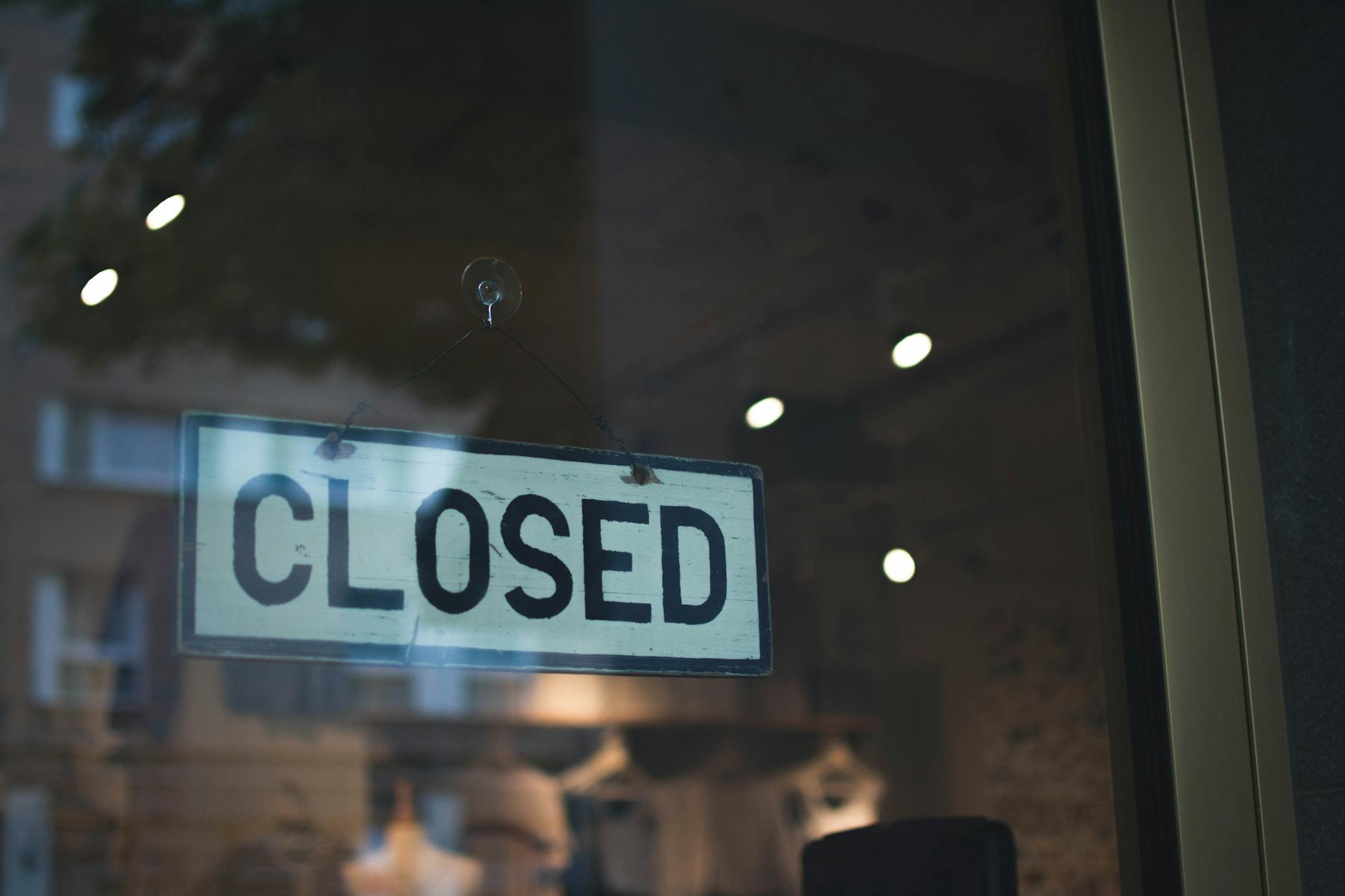
Kalshi Suspended from Nevada Operations Amid Licensing Dispute
Kalshi has been ordered by a Nevada state judge to halt its prediction market operations in the state for at least 14 days, following claims that the company has been conducting business without the necessary gaming license, a significant legal setback for the platform.According to reports, the temporary restraining order (TRO) allows Nevada regulators to enforce this suspension, further complicating Kalshi’s already contentious regulatory status.
The Nevada Gaming Control Board issued a cease-and-desist order to Kalshi back in March 2025, representing the state’s view that the company’s prediction contracts classified as unlicensed sports wagering under existing state laws, including NRS 463.160 and NRS 465.086. Kalshi contends its products fall under federal jurisdiction, specifically under the Commodity Futures Trading Commission (CFTC), hence arguing for its right to operate without state compliance.Legal proceedings since then have seen a back-and-forth between federal and state courts, with Kalshi attempting to keep the case in federal jurisdiction to mitigate “imminent harm.”
Ongoing Regulatory Tensions
On March 20, 2026, the Ninth Circuit Court denied Kalshi’s request for an administrative stay, thus facilitating Nevada’s enforcement of the TRO. This ruling underlines Nevada’s strict regulatory stance on gambling activities, which includes protecting licensed competitors within the state from perceived unfair advantages that unregulated platforms like Kalshi may provide.
Legal experts, like gaming attorney Daniel Wallach, have indicated that a TRO is often effectively automatic in such contexts, emphasizing the state’s intent to uphold its regulatory framework.Wallach noted that the enforcement further restricts Kalshi’s operations, leading to potential revenue loss not just for the service provider, but also for the state.
Kalshi remains the only major player in the prediction market landscape to operate unchecked within Nevada. State officials argue this creates a harmful environment for public interest and revenue generation, further catalyzing the need for stringent licensing enforcement. Moreover, similar lawsuits against prediction-market platforms are emerging in others states such as Arizona, Connecticut, New York, and New Jersey.
Future Business Implications
Moving forward, Kalshi’s business model may need to undergo significant adjustments to ensure compliance with state laws while navigating the complexities of federal jurisdictional claims. The platform is likely to face increased scrutiny as it seeks to regain its footing in Nevada and possibly other states facing similar regulatory challenges. Analysts suggest that without a successful legal challenge or regulatory compromise, Kalshi’s expansion ambitions may be severely hampered.
This legal turmoil comes at a time when prediction markets are rapidly gaining traction, drawing interest from investors and competitors alike. As regulators aim to establish clearer guidelines for such platforms, Kalshi’s ability to adapt could set a precedent for the wider prediction market industry and its future compliance landscape.