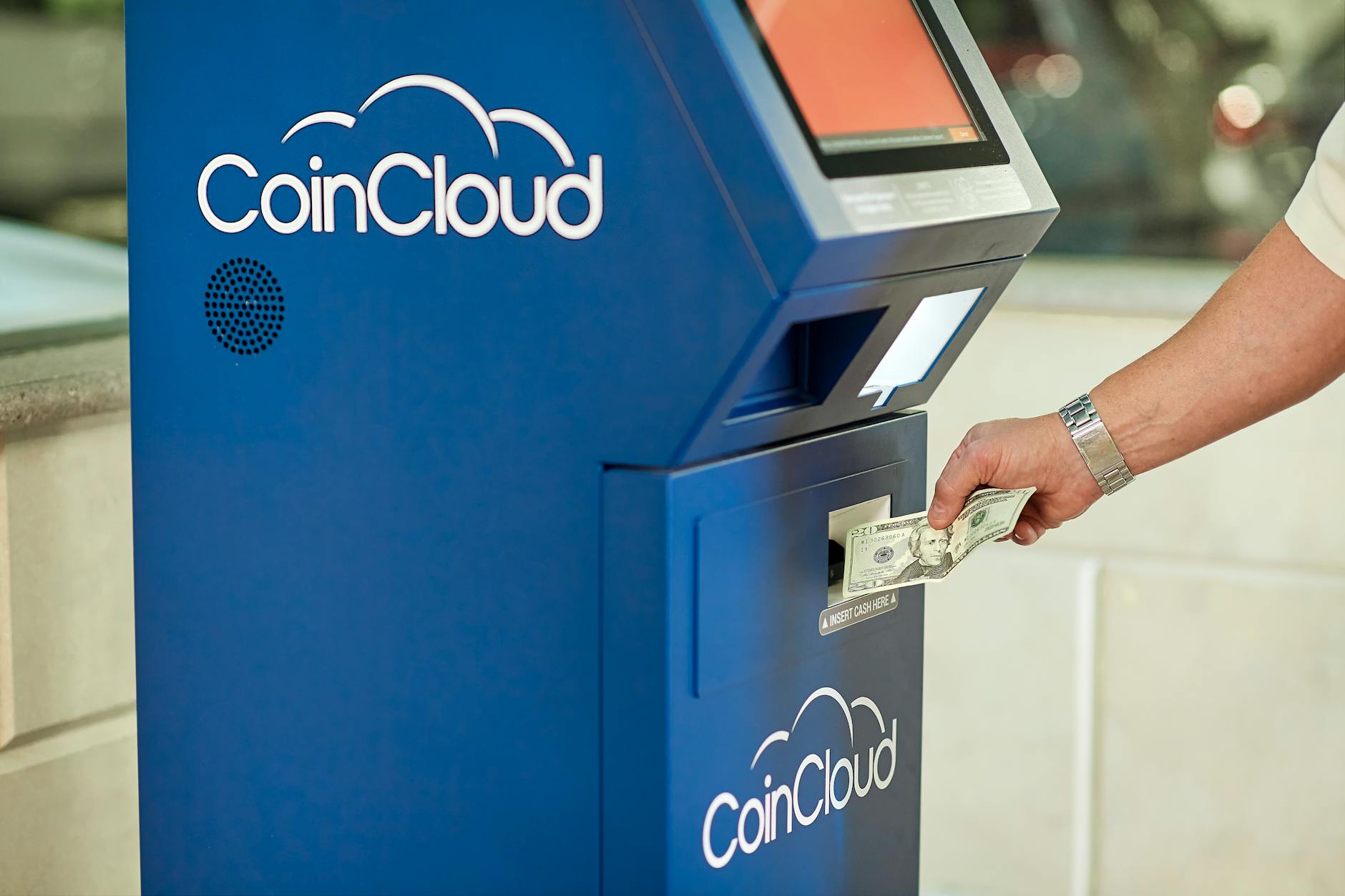
Minnesota Proposes Total Ban on Crypto ATMs
Minnesota lawmakers have introduced a bill on February 23 seeking to ban all cryptocurrency ATMs in the state, citing a significant rise in scams connected to these machines, according to reported by Decrypt.
The legislation, known as House File 3642, aims to completely prohibit the placement and operation of cryptocurrency kiosks throughout Minnesota. This move would replace a 2024 framework that included transaction limits and mandated fraud warnings, marking a significant regulatory shift in crypto oversight. The Minnesota Department of Commerce is strongly backing the proposed legislation, which representatives say is necessary to protect consumers from escalating fraud and money laundering risks associated with cryptocurrency transactions.
Rising Fraud Concerns
The push for the ban stems from alarming reports of scams connected to cryptocurrency kiosks in the state. Last year, Minnesota received 70 complaints regarding cryptocurrency ATMs, with losses amounting to around $540,000. Nationally, the FBI recorded more than 12,000 complaints tied to Bitcoin ATMs from January to November 2025, resulting in over $333.5 million in losses. Notably, senior citizens have been disproportionately affected by these scams, highlighting a troubling trend that has prompted legislators to act.
Law enforcement officials have described cryptocurrency ATMs as a “prime target” for scammers. Testimonies from police depict situations where victims, often vulnerable elderly individuals, are coerced into transferring cash via ATMs, converting it to cryptocurrency, and sending it to scammer-controlled accounts. These transactions can be nearly impossible to recover once completed.
As it stands, there are roughly 350 licensed crypto kiosks operating in Minnesota, managed by eight to ten different companies. Should House File 3642 be enacted, Minnesota would become one of the first states in the U.S. to entirely eliminate physical cryptocurrency terminals, setting a notable precedent within the broader national regulatory landscape.
Industry Response and National Implications
The proposed ban on crypto ATMs has drawn criticism from industry stakeholders, such as CoinFlip, who argue that stricter regulations would be a better alternative than outright elimination. CoinFlip pointed out that only a small percentage of transactions at their kiosks—less than one percent—resulted in fraud claims, suggesting a more targeted approach for enforcement against non-compliant operators instead of a blanket ban.
This conflict between regulatory authorities aiming to curb fraud and industry advocates promoting innovation underscores the broader national debate about the future of cryptocurrency regulation. The prospect of initiatives like Minnesota’s could fuel similar proposals in other states, potentially impacting access to financial services, especially in rural areas. Critics warn that such a ban might stifle technological advancement and limit access to digital currencies, which could prove problematic in a rapidly digitalizing economy.
As legislation evolves, the discussion around cryptocurrency’s role in financial markets will remain a focal point. Following the Minnesota example, other states may adopt more stringent regulatory frameworks or even initiate discussions about their own approach to managing cryptocurrency ATMs.