Minnesota’s Legislative Action Against AI-Generated Fake Nudity
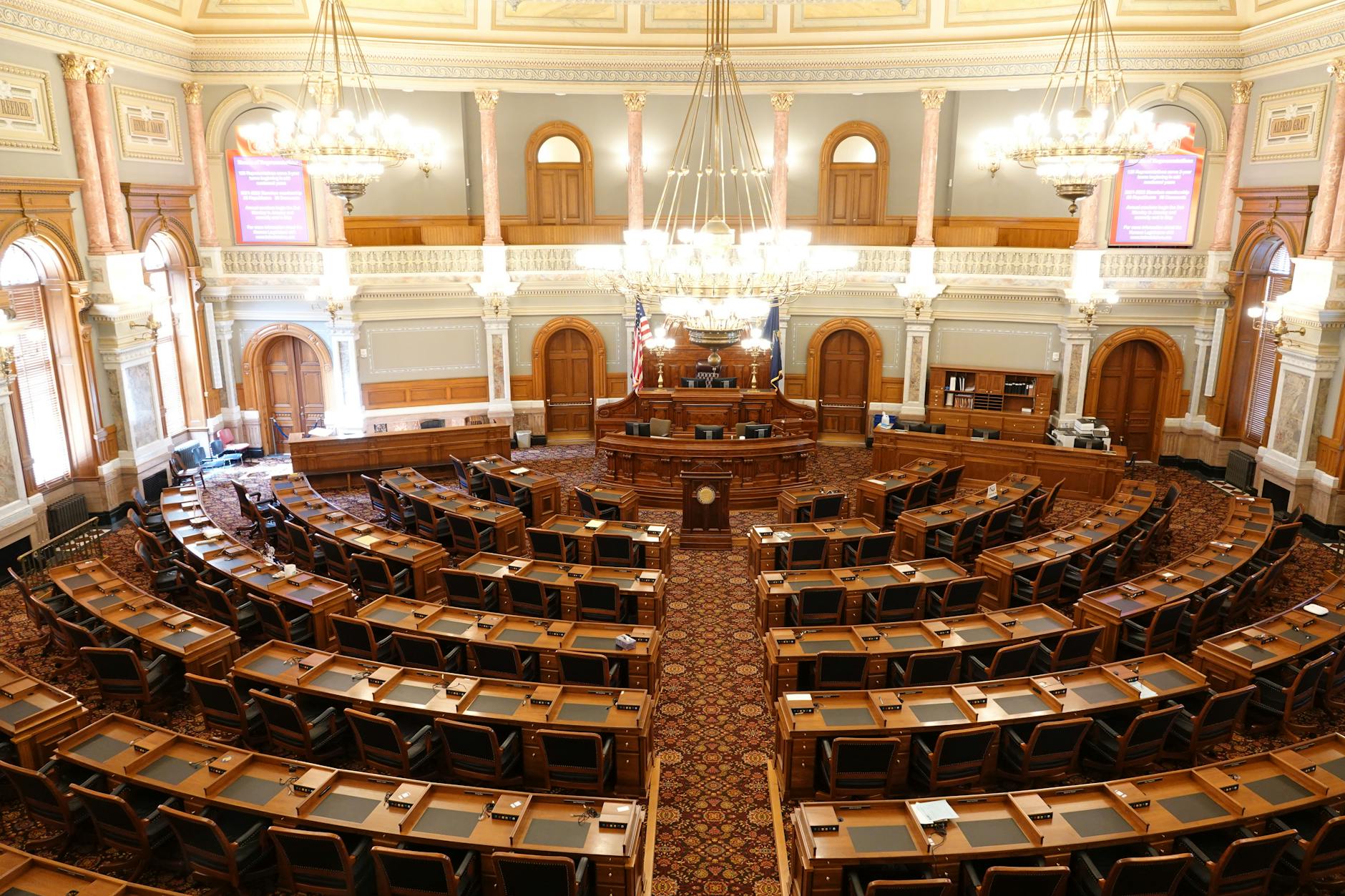
Minnesota lawmakers passed legislation on Tuesday aimed at prohibiting artificial intelligence applications from producing fake nude images, a move designed to combat the rising issue of non-consensual explicit content. The bill now awaits the signature of Governor Tim Walz to become law.
This legislation represents a significant step in the ongoing battle against sexual exploitation facilitated by technology. By explicitly banning the production of fabricated nude images through AI applications and granting victims the right to pursue civil lawsuits against developers and distributors, Minnesota aims to protect individuals from being victimized by malicious misuse of AI technology.
Legislative Details and Context
The bill received bipartisan support, emphasizing a growing recognition among lawmakers that the risks associated with artificial intelligence are becoming too great to ignore. With the advent of deepfake technology and its increasing prevalence on social media platforms, cases of non-consensual pornography have reportedly surged, leading to severe emotional and psychological distress for victims.
“We cannot stand idly by while technology is used to exploit individuals and destroy lives,” said Senator Dan Hall, a chief sponsor of the bill. Law enforcement agencies have echoed similar sentiments amid mounting pressure to address the ramifications of AI misapplication effectively. This legislation is a clear acknowledgment that trends observed in other parts of the country and around the world necessitate an urgent response from state authorities.
Authorities are particularly wary of the potential implications of AI-generated content. For instance, reports surfaced detailing the troubling use of AI to create bogus yet misleading court filings, which are now on the rise, demonstrating the far-reaching consequences of unregulated AI applications. Oregon Courts have also noted the disruptive effects of these burgeoning technologies on legal processes, prompting urgent calls for more stringent regulations to safeguard against fraudulent practices.
Potential Impact and Future Implications
The passage of Minnesota’s bill is likely to inspire similar legislative initiatives across the nation as other states grapple with the ethical complexities and social consequences engendered by advanced AI technologies. If signed into law, Minnesota’s approach may serve as a template for broader regulatory measures addressing AI and privacy rights.
Victims are expected to benefit significantly from the civil lawsuit provisions included in the legislation, which aim to empower those affected by non-consensual fake imagery to hold developers accountable. Experts anticipate that these legal provisions could lead to an increase in accountability among tech companies producing AI applications, fostering a culture of ethical responsibility.
Additionally, the growing scrutiny of AI technologies, including actions like Taylor Swift’s trademark filings to counteract deepfakes, reflects the larger battle artists and individuals face in protecting their identities and privacy against misuse of digital technologies. This trend aligns with a more extensive conversation regarding the intersection of technology, privacy rights, and personal safety as AI continues to advance at a rapid pace.