Key Takeaways
- Monero (XMR) suffered a staggering 41% decline from its all-time high following regulatory changes in India targeting privacy coins.
- This price drop catalyzed a larger sell-off of alt-coins, highlighting a heightened sensitivity to regulatory pressures worldwide.
- Investors are bracing for ongoing instability, with predictions for further price volatility impacting market sentiment.
What Happened
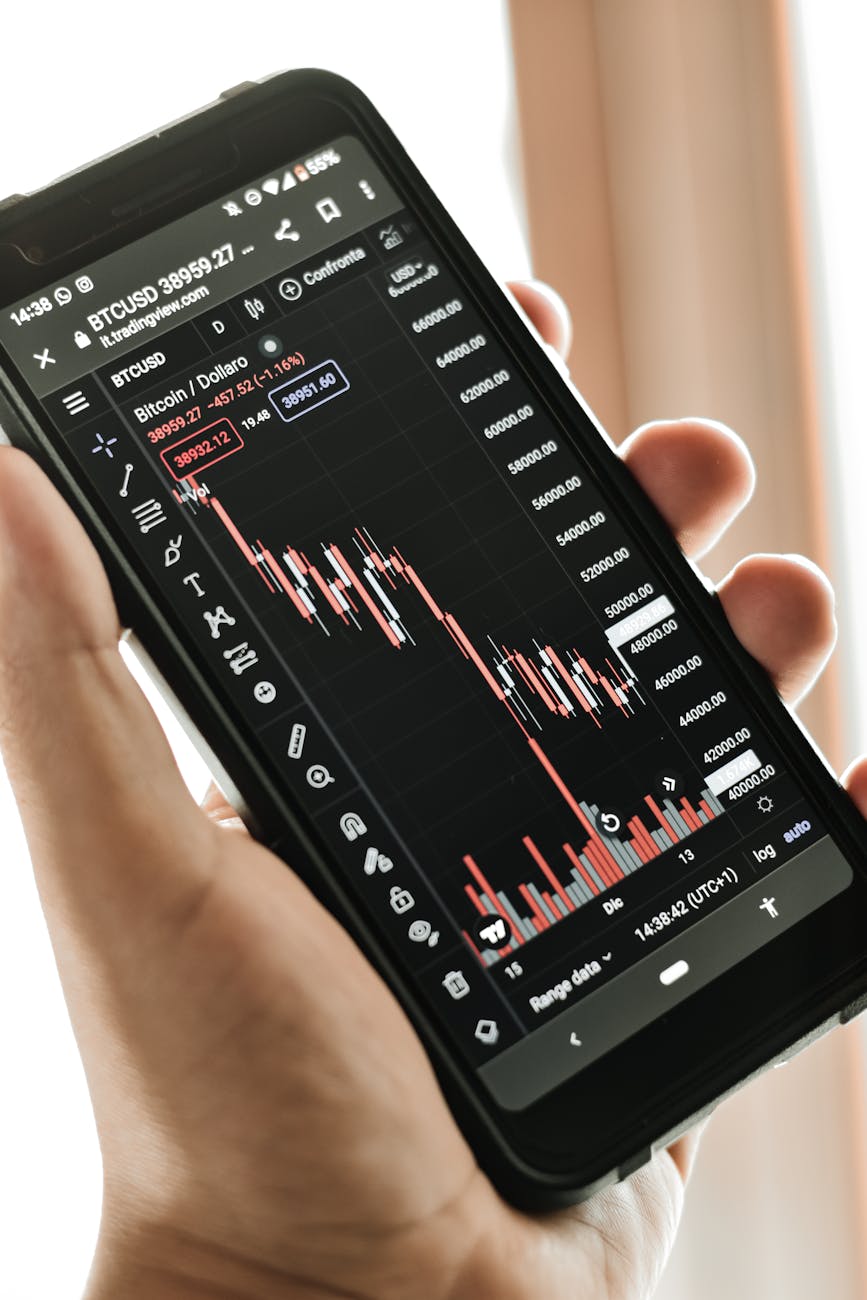
In a shocking turn of events, Monero (XMR) plummeted by approximately 41% from its January 14 all-time high of around $797 to a current trading range between $482 and $590. This drastic price fall follows reports of India implementing tougher regulations on privacy coins, triggering a wave of apprehension among investors. The recent surge in volatility not only affected Monero but also sparked a broader alt-coin sell-off, as traders reacted to the increasingly regulatory landscape affecting anonymous cryptocurrencies, according to reported by CoinDesk.
Why It Matters
The decline of Monero serves as a cautionary tale, emphasizing the growing scrutiny that privacy coins are under in various jurisdictions, particularly in India. This new regulatory climate signifies a potential shift in the market dynamics for such cryptocurrencies, which have grown attractive for their privacy features. The implications of these regulatory changes could discourage investor interest, affecting liquidity and creating an environment of heightened risk. As explored in our previous articles on geopolitical factors influencing the crypto market, regulatory developments can critically shape price movements and market behavior.
What’s Next / Market Impact
The outlook for Monero remains uncertain, with several factors amplifying investor caution. Following a brief recovery period spurred by a significant social engineering attack on January 10, which saw large amounts of stolen Bitcoin and Litecoin converted into Monero, the market has slipped into a bearish phase. Price analyses indicate that XMR is struggling to maintain levels above critical short-term moving averages, including the 20-day MA ($545), with support around longer-term averages such as the 50-day MA ($473) and 200-day MA ($357). Predictions for January suggest a range between $306 and $522, leaving traders wary of potential further declines into February, as the volatility spurred by global regulations continues to loom disproportionately over privacy-focused assets (see Traders Union insights).