
MoonPay Launches AI-Enabled Debit Card for Seamless Stablecoin Transactions
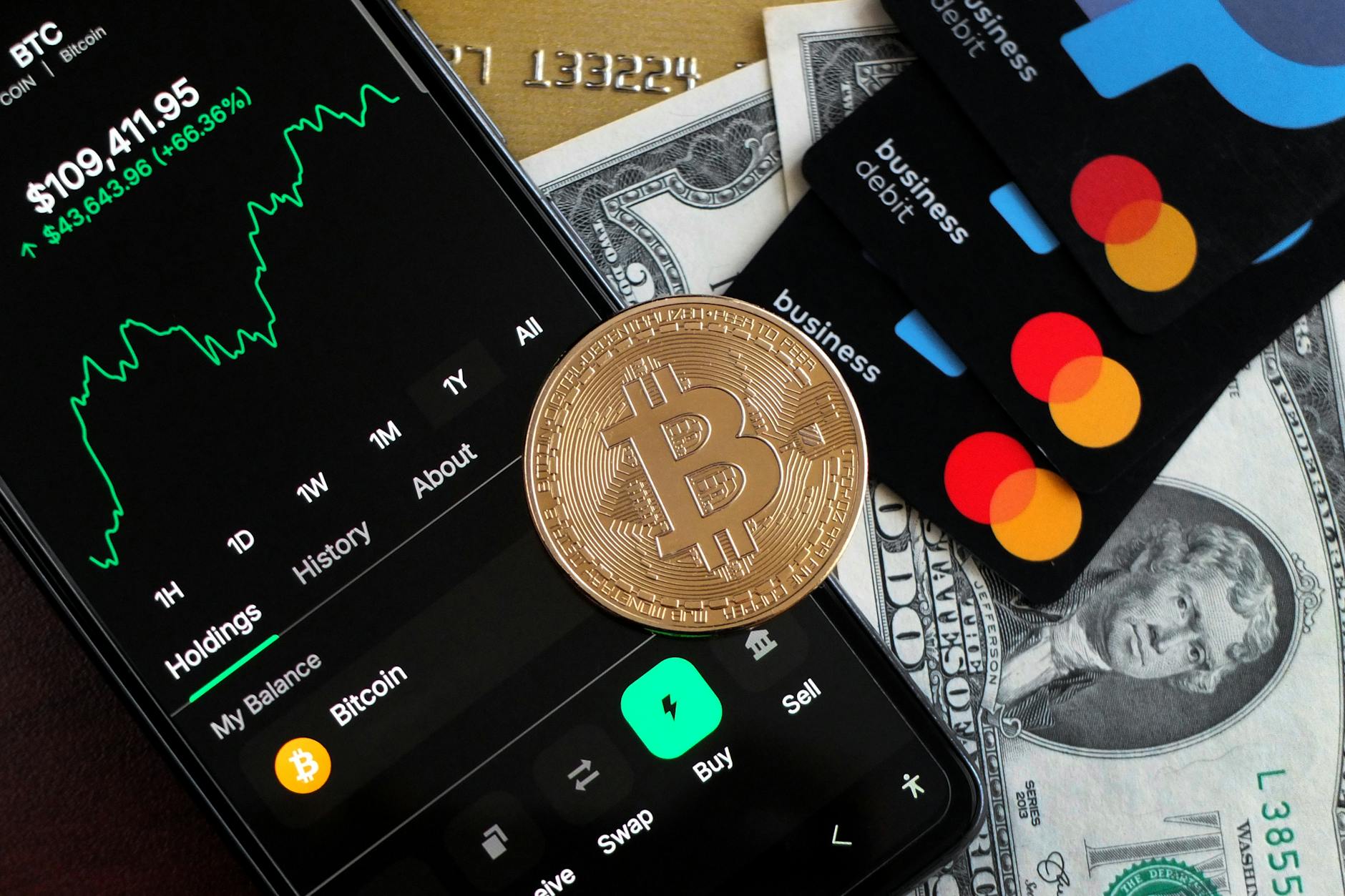
MoonPay has unveiled the MoonAgents Card, a Mastercard debit card designed to facilitate real-time payments using stablecoins. This innovative payment solution provides agents with immediate access to stablecoin funds at point-of-sale establishments globally, streamlining transactions with instant on-chain settlement, according to the company.
This launch comes as interest in stablecoin integration in everyday transactions increases, emphasizing MoonPay’s commitment to leveraging blockchain technology to improve payment efficiency. The MoonAgents Card links users’ stablecoin wallets to real-world spending, effectively eliminating conversion fees and cross-border transaction complications for merchants and consumers alike.
Seamless Payment Integration with AI Capabilities
The MoonAgents Card represents a significant advancement in cryptocurrency payments, particularly through its seamless integration with AI agents. By utilizing Blockchain technology, agents can spend stablecoins without the traditional friction associated with currency conversion. This platform enables transactions directly in stablecoin, which is increasingly preferred due to its price stability compared to volatile cryptocurrencies.
The announcement also highlights a growing trend among fintech firms aiming to bridge digital currency with everyday transactions. Recent developments have shown similar ambitions in the market. Stripe’s recent introduction of its digital wallet, Link, allows AI agents to purchase goods using an integrated payment strategy without revealing sensitive user credentials—signaling a broader acceptance of autonomous payment methods that include stablecoins as viable options in commerce.
According to insights from industry experts, MoonPay’s backend capabilities could improve the transactional infrastructure for both users and merchants. Such innovations may further drive the adoption of cryptocurrencies, especially as modern financial environments demand technology that prompts greater efficiency.
Industry Impact and Market Response
The launch of the MoonAgents Card has the potential to reshape payment dynamics in cross-border commerce, particularly for businesses operating in countries with fluctuating currencies. Reducing currency conversion fees may be a strong incentive for international merchants to adopt the service. As reported, other firms like Wirex have experienced monumental growth in stablecoin transactions, processing over $1 billion in annualized on-chain stablecoin volume in a mere 131 days, illustrating a surging demand for improved cryptocurrency payments infrastructure.
This trend is not only beneficial for merchants but also for consumers increasingly looking to utilize stablecoins. Having instant settlement options without the complications linked to fiat transfers could significantly enhance the user experience. As a response, merchants adopting the MoonAgents Card may find themselves at a competitive advantage as the crypto adoption curve steepens.
Experts predict that collaborations between AI technologies and payment systems will likely become more profound as both sectors evolve. MoonPay’s recent move might foreshadow the progression of a broader ecosystem where AI seamlessly integrates within payment frameworks to support agile and efficient financial transactions.
Looking Ahead: Future Developments and Strategic Expansion
As the demand for cryptocurrency solutions escalates, MoonPay’s strategic initiatives with the MoonAgents Card set a benchmark for future developments in the fintech landscape. Analysts suggest that this launch could lead to additional innovations in payment technologies, prompting other players in the industry to enhance and adapt their offerings to remain competitive.
The integration of AI with cryptocurrencies heralds a future where financial transactions could become significantly more efficient and accessible. As more organizations explore similar financial solutions, the ongoing expansion of stablecoins as a mainstream payment option seems inevitable, potentially reshaping financial ecosystems globally.








