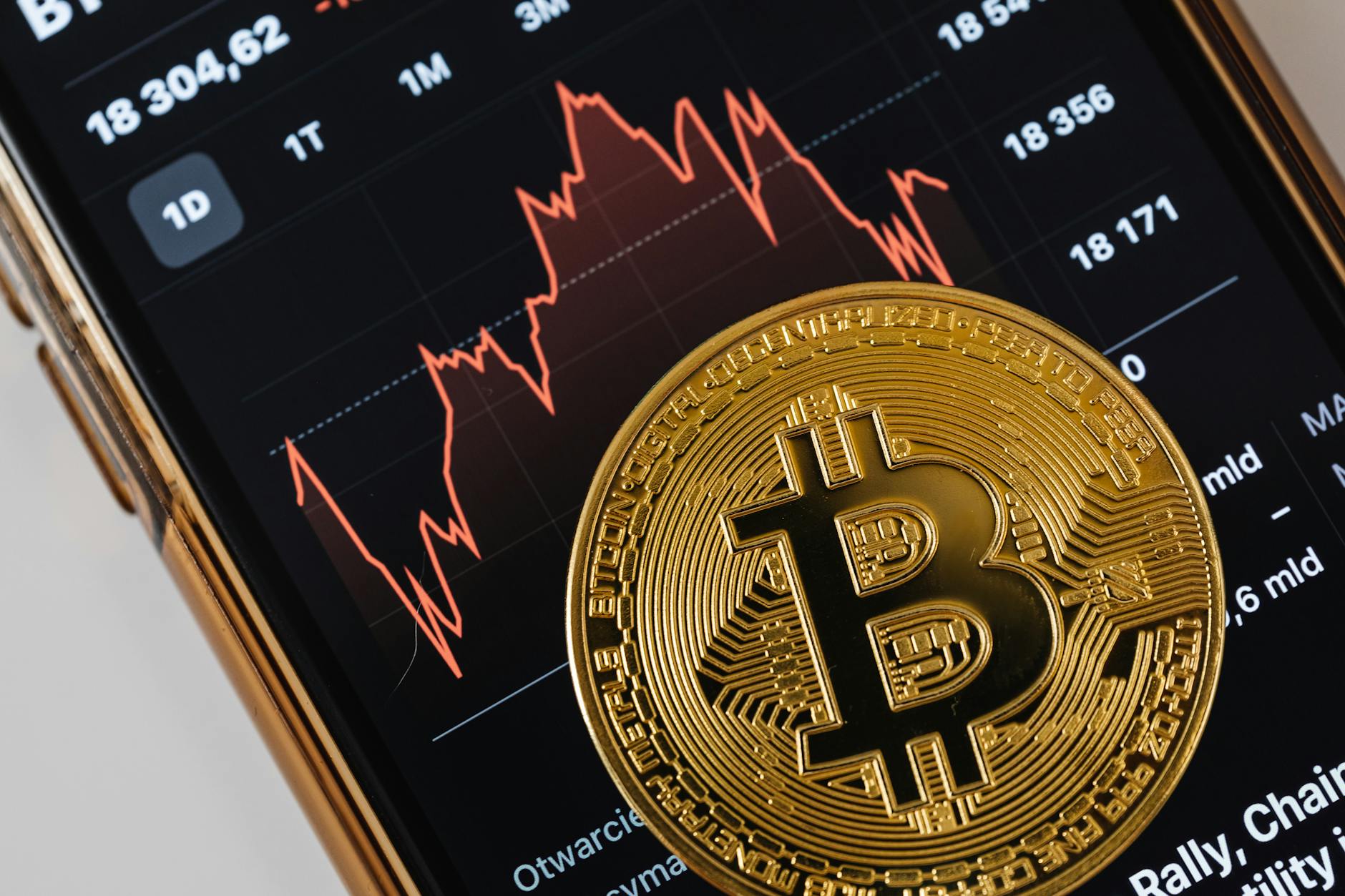
New Tariffs Announced by Trump Spark Heightened Crypto Volatility
President Donald Trump introduced a temporary 15% tariff on global imports, effective February 24, 2026, aiming to combat issues related to the U.S. balance of payments, resulting in a severe drop in Bitcoin and other cryptocurrencies as market anxiety mounted.
This tariff announcement came just days after the Supreme Court ruled against Trump’s previous tariff structures established under the International Emergency Economic Powers Act (IEEPA). Following the court’s decision, Trump invoked Section 122 of the Trade Act of 1974, citing immediate balance-of-payments issues as justification for the new import duties. Heightened media coverage and surging online conversations about tariffs have reflected traders’ fears of escalating trade tensions and the impact on international cryptocurrencies, including Bitcoin, which saw a notable decline amidst the announcements, according to reports from Crypto News.
Market Responses to the Tariff Announcement
The immediate response from financial markets was swift and sweeping. Bitcoin’s price plunged as traders reacted to potential increases in import costs that could dampen global trade, a concern that resonates deeply within the cryptocurrency market, which is inherently tied to international commerce. Market analysts noted that the average effective U.S. tariff rate temporarily rose to approximately 13%, further heightening the environment of uncertainty for crypto investors.
On-chain activity surged following Trump’s declaration, with many investors engaging in discussions on social media platforms regarding its implications for the crypto market. The number of trades and transactions intensified, illustrating the anxieties gripping both traditional and crypto investors who fear that added tariffs could stifle demand for digital assets linked to global trading.
This broader context follows Trump’s controversial 2025 policies that included previously imposed tariffs, such as the 100% duties on Chinese cranes and additional levies on multiple goods from other countries. The government’s ongoing tariff actions reflect an underlying strategy aimed at reshaping U.S. trade relations amid turbulence in international markets.
Looking Ahead: Potential Impacts on the Crypto Landscape
Looking forward, the next steps mainly hinge on how Congress chooses to address these tariffs post the initial 150-day period. Experts weigh in on the possibility of further tariff escalations that could exacerbate an already volatile market. Analysts are particularly concerned about the repercussions on global demand for cryptocurrencies as well as their foundational usage in commerce.
As traders and analysts brace for more policy signals from the administration, the cryptocurrency market may experience further fluctuations in alignment with geopolitical developments. The outlook remains clouded, but some experts believe that clarity in trade policy could eventually stabilize the market and restore investor confidence, allowing for a potential rebound in Bitcoin prices and other digital assets.