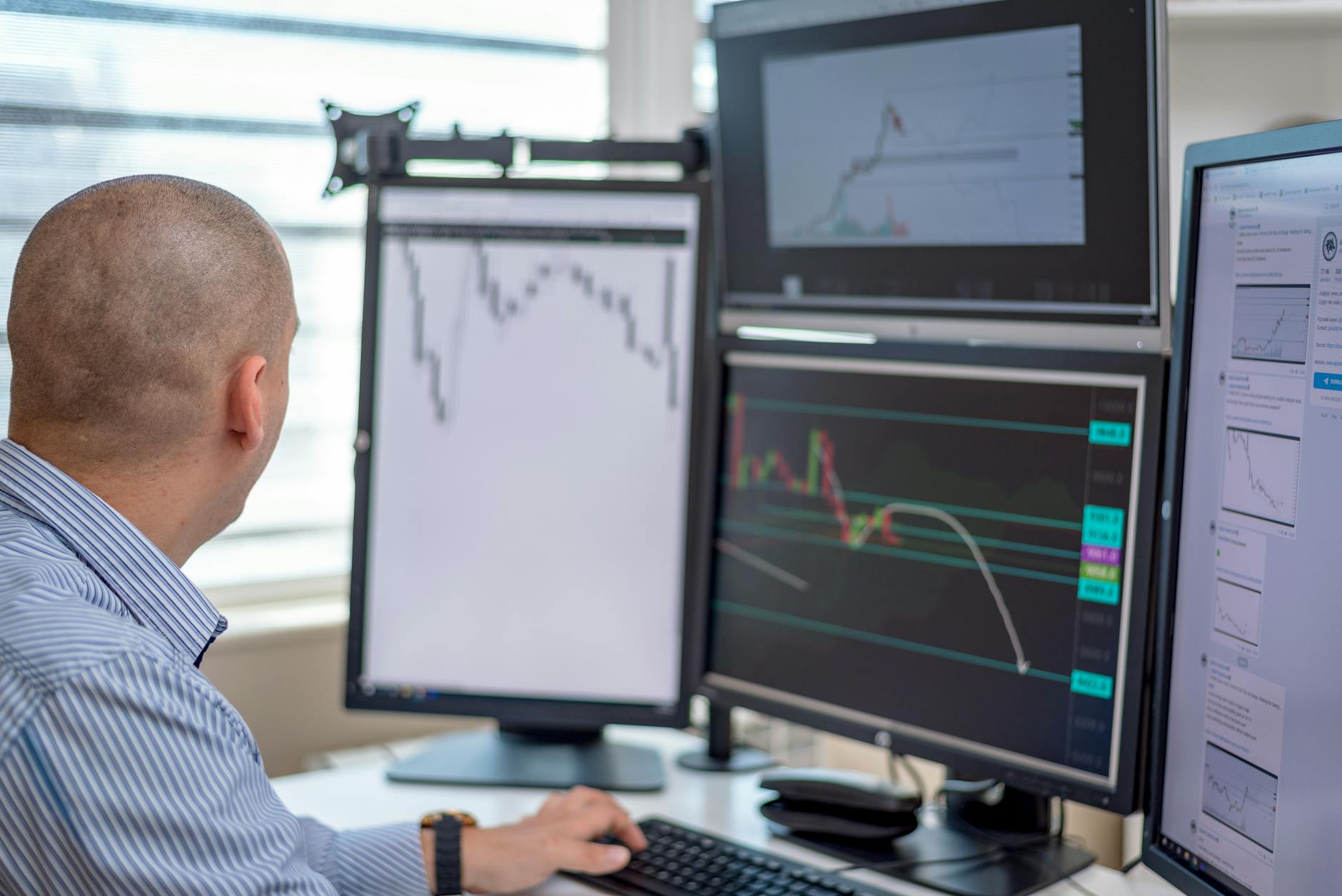
Awakening a New Era of S&P 500 Trading
Online traders gained unprecedented access to near-24/7 trading of S&P 500-related instruments as several fintech platforms enable round-the-clock betting on market movements, according to CoinDesk.
This new capability caters to a growing segment of investors eager to capitalize on the S&P 500’s performance outside traditional market hours, which generally run from 9:30 a.m. to 4:00 p.m. ET. Platforms like Charles Schwab and Interactive Brokers now offer users extensive trading options during extended hours, as well as alternative trading methods through derivatives markets.
Alternative Platforms Leading a Market Shift
Online brokerages are expanding services to meet the rising demand for non-traditional trading hours. Charles Schwab’s thinkorswim platform enables clients to trade over 600 ETFs along with all S&P 500 stocks almost continuously during the business week, showcasing an effort to provide retail investors with more flexible trading options. Interactive Brokers, serving a more global clientele, provides access to more than 10,000 U.S. stocks and equity index options, with near-24/5 access across various time zones.
CFD and futures brokers like Pepperstone and IG also contribute to this market shift by allowing traders to engage with S&P 500 contracts virtually 24/7—albeit through derivatives. Such offerings facilitate low-cost speculative trading without necessitating direct ownership of equity, which is particularly appealing to day traders and investors looking for more responsive trading opportunities.
This rise in alternative trading venues highlights a significant deviation from conventional trading, especially as these platforms seek to offer lower costs and faster execution speeds compared to traditional exchanges. The automated algorithms and binary options employed by fintech firms streamline the betting process, further simplifying the interface for new users.
Market Implications and the Future of Trading
As platforms continue innovating to capture investor interest, the liquidity and volatility of S&P 500 instruments during non-standard hours could shift trading behaviors profoundly. Traders should note the risks associated with off-hour trading, such as potential gaps in pricing, wider spreads, and reduced liquidity compared to traditional market hours. Market analysts caution that these factors can amplify potential losses, particularly for inexperienced investors relying heavily on leveraged trading.
Many brokers now offer continuous support to facilitate these transactions—yet this does not fully mitigate the inherent risks of after-hours trading. According to statistics, a notable 71.9% of retail CFD accounts experienced losses in recent accounts. This stark reality underscores the importance of ensuring that retail investors are equipped with necessary knowledge before engaging in speculative trading practices.
Looking forward, analysts believe that the trend toward continuous trading options will gain momentum as fintech innovations reshape how retail investors access market opportunities. As competition among platforms intensifies, further enhancements to trading tools and educational resources for new investors could democratize access to financial markets—potentially leading to a more engaged, if cautious, investing populace. Moreover, as more retail investors enter the domain of after-hours trading, institutional investors may also adjust their strategies accordingly, responding to this evolving landscape.