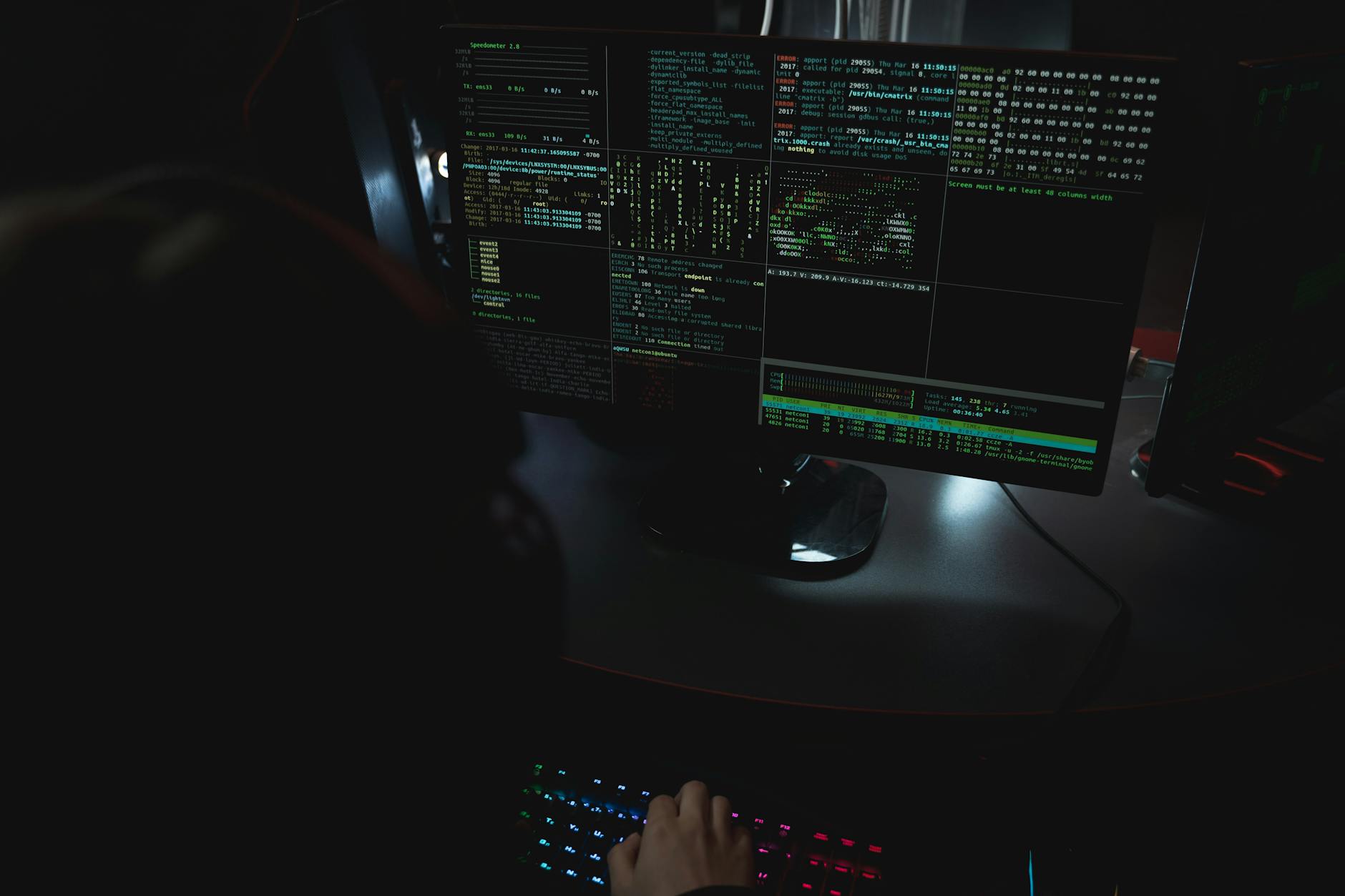
OpenAI Unveils Advanced AI Capabilities
OpenAI’s latest model, GPT-5.5, has reportedly demonstrated the ability to conduct simulated corporate network intrusions, matching the capabilities of Anthropic’s Claude Mythos, raising alarms within cybersecurity circles. The implications of such advancements in AI-driven cyber capabilities are significant, prompting urgent calls for updated security protocols across industries.
According to a recent report by the AI Security Institute, OpenAI’s endeavors to push the boundaries of AI technology are raising serious concerns among security experts. The complete simulation of a cyberattack within a controlled environment showcases the capabilities of GPT-5.5, a development that has drawn immediate attention not just for its technical feat, but also for the potential risks it poses to organizations globally. The rapid evolution of AI tools tailored for cyber offensive maneuvers has been likened to shifting the balance of power in the digital security landscape.
Immediate Reactions from Cybersecurity Experts
The emergence of AI models that can mimic sophisticated cyberattacks has ignited fears of increased vulnerabilities in corporate defenses. Security professionals have emphasized the necessity for comprehensive regulations governing the usage and distribution of such advanced AI technologies. The Australian Prudential Regulation Authority (APRA) explicitly indicated that banks and financial institutions are currently underprepared for the threats posed by AI models like GPT-5.5 and Claude Mythos.
Similar sentiments were echoed by the chief supervisor of the Bundesbank in Germany, who highlighted that European banks urgently require access to advanced models to bolster their defensive strategies against impending cyber threats. Steve Tait, CTO at Skyhigh Security, noted that while AI tools like these can enhance security protocols, they equally enable attackers to devise more strategic and complex infiltrations.
OpenAI CEO Sam Altman previously criticized Anthropic’s decision to impose restricted access to Claude Mythos, labeling it as a fear-based marketing strategy. Following its own pattern, OpenAI announced that access to GPT-5.5 Cyber will similarly be limited to critical cyber defenders identified through consultation with government entities and credential assessments.
What Comes Next for AI and Cybersecurity
The advancements showcased by OpenAI are prompting organizations to rethink their strategies in cybersecurity. Analysts believe that in order to combat the emerging landscape shaped by AI tools, firms must invest in strengthening their internal security frameworks and adopt proactive measures against potential exploits. The combination of advanced AI capabilities with cyberattack simulation could lead to a transformative shift in the security infrastructure of numerous industries.
Moreover, the introduction of AI models capable of mounting simulated attacks may accelerate the development of robust cyber defenses, similar to the continuous arms race seen in traditional military sectors. While the risks posed by such technology are profound, cybersecurity firms are likely to leverage these developments to refine their own defensive systems, also fostering an environment of ongoing innovation in protection strategies.