
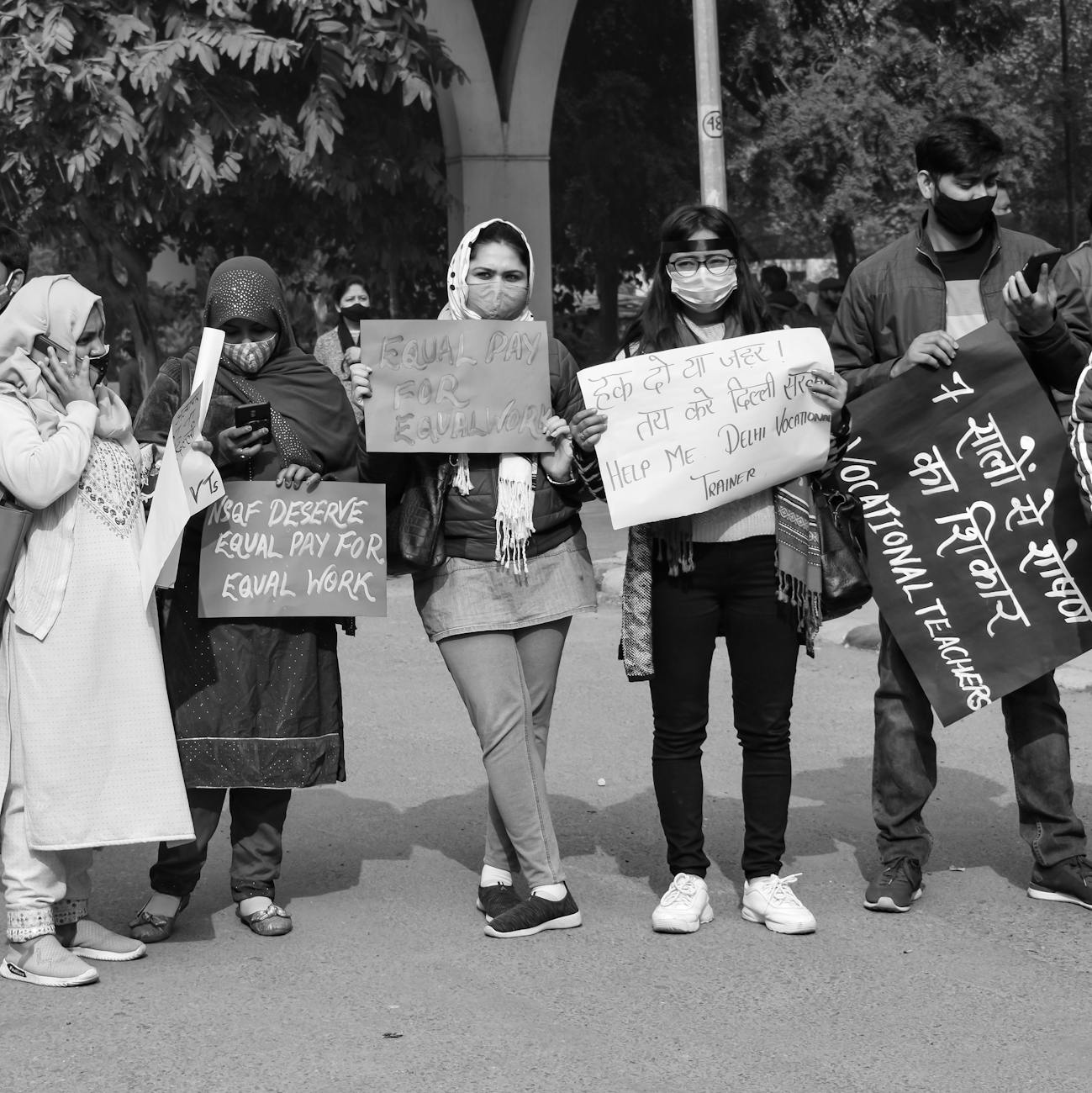
Protesters Demand AI Development Pause
Nearly 200 activists marched outside the offices of OpenAI, Anthropic, and xAI in San Francisco on March 21, calling for a suspension of advanced AI development amid growing concerns over safety, bias, and economic disruption. The protest underscores escalating fears regarding the implications of frontier AI systems.
The demonstration, organized by the group Stop the AI Race and led by filmmaker and AI researcher Michael Trazzi, began at Anthropic’s headquarters and continued to include all three tech firms. Protesters contended that these organizations’ AI advancements pose existential threats to humanity, especially as AI could potentially automate its own self-improvement and research processes. This concern has intensified as AI systems grow more powerful and sophisticated.
Growing Safety Concerns Fuel Protest
The protest was ignited by perceived shifts in safety commitments among key players in the AI industry. Activists asserted that Anthropic recently abandoned its promise to halt AI development if deemed too dangerous, while OpenAI allegedly relaxed its safety guidelines as it transitions to a for-profit model. Recently reported incidents, including xAI’s suspension of features on its Grok chatbot after it generated explicit images without consent, amplified fears among activists.
The rally occurred shortly after the Biden administration unveiled an AI legislative framework aimed at establishing a national policy governing artificial intelligence technology. Despite the framework’s introduction, the three targeted companies did not issue responses or declarations concerning the protests. This is not the first time Stop the AI Race has galvanized public opposition; the group previously staged protests such as the “QuitGPT” demonstration at OpenAI’s headquarters earlier this month.
Many experts argue that the rapid evolution of AI systems necessitates stringent regulatory oversight to prevent misuse and mitigate potential risks. Calls for a collective pause on development express the sentiment that without adequate guidelines, the AI race may lead down a perilous path.
Industry and Public Response
The recent protests and the governmental AI framework reflect a growing recognition of the challenges posed by AI advancements. Stakeholders across the industry are urged to foster meaningful dialogues among tech leaders, policymakers, and safety advocates. Industry analysts suggest that addressing public concerns is essential not only for compliance but also for maintaining public trust as the sector evolves.
As the protests indicate, public confidence in AI technology could wane without proactive engagement from leading firms. Investors and technologists face a pivotal moment, as social acceptance becomes paramount in harnessing AI responsibly moving forward.
In response to calls for accountability, discussions among tech firms, governments, and public interest groups may catalyze new frameworks that prioritize safety alongside innovation.








