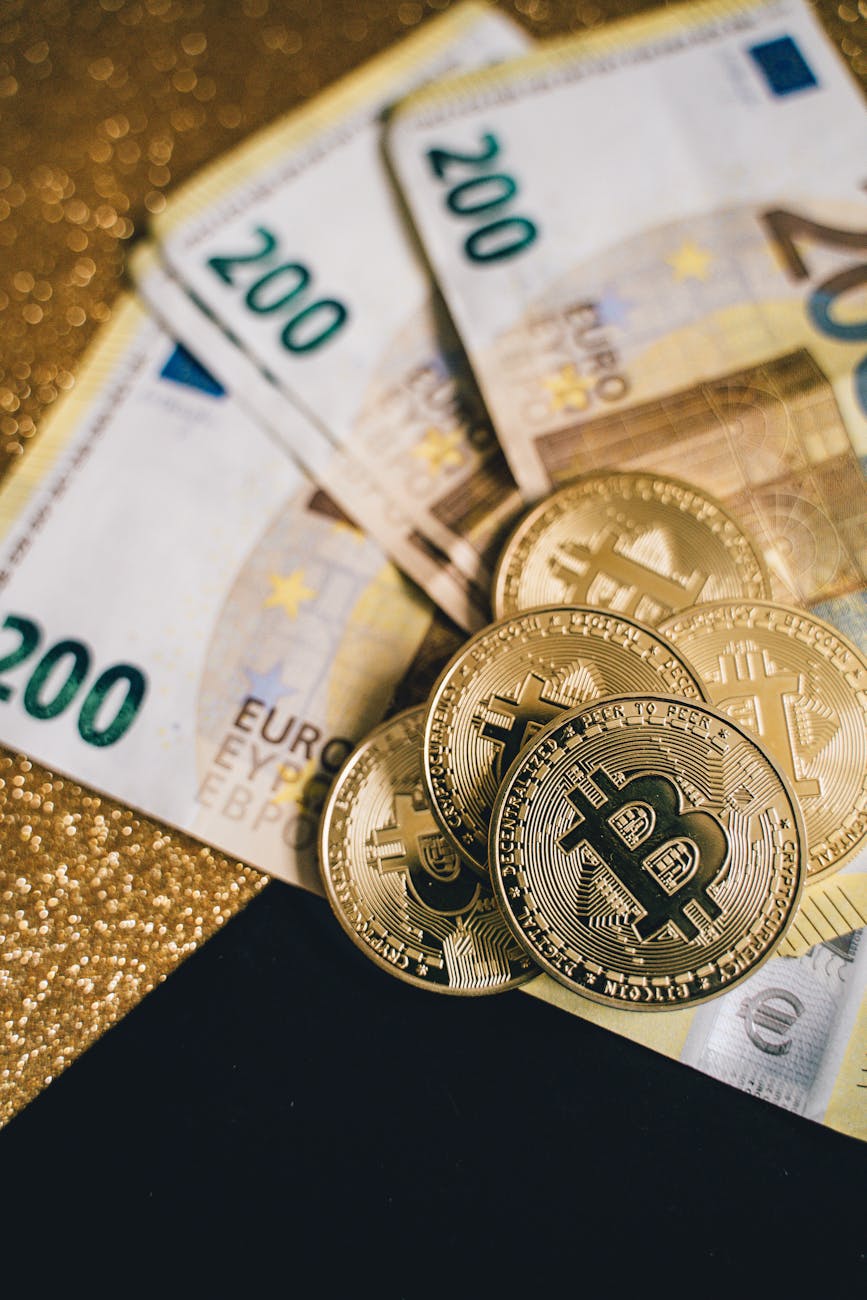
Qivalis Consortium’s Initiative for Euro-Pegged Stablecoin
Qivalis, a consortium comprising twelve prominent European banks, is negotiating partnerships with cryptocurrency exchanges to launch a euro-backed stablecoin by the second half of 2026, aiming to enhance the euro’s role in the digital economy, according to reports by Cointelegraph.
Headquartered in Amsterdam, Qivalis includes leading banks such as Banca Sella, CaixaBank, Danske Bank, DekaBank, ING, KBC, Raiffeisen Bank International, SEB, and UniCredit, with further participation from BNP Paribas, BBVA, and DZ BANK. This consortium aims to operate under the supervision of the Dutch Central Bank (DNB) and adhere to the Markets in Crypto-Assets (MiCA) regulations.
Integration into the European Financial Ecosystem
The planned stablecoin will maintain a 1:1 peg to the euro, facilitating low-cost, 24/7 cross-border payments. This new digital asset is designed to improve payment efficiency and liquidity, specifically for European financial institutions engaged in international trade and commerce. Features anticipated for the euro-backed stablecoin include programmable payments and smart contract capabilities, which may significantly enhance supply chain functionalities.
Qivalis’ strategy positions the euro-pegged stablecoin as a regulated alternative to predominant US dollar stablecoins like USDT and USDC, potentially increasing financial sovereignty for European institutions amid the expanding global digital economy.
As the initiative progresses, Qivalis has begun discussions to set technical standards, compliance measures, and market access with the exchanges involved. Expert analysts highlight that these steps are essential as the European Central Bank (ECB) plans to introduce its own digital euro, not expected until at least 2029.
Regulatory Landscape and Future Developments
With a focus on regulatory dialogue, Qivalis is actively seeking to align its operational roadmap with existing and upcoming regulations. The banks involved are preparing for the regulatory scrutiny that digital assets often attract, particularly as global standards shift towards enhanced oversight. Jan-Oliver Sell, the newly appointed CEO, indicated an openness to accepting additional banks into the consortium, emphasizing collaboration as essential in navigating this complex ecosystem.
The consortium’s plans mark a notable shift in how traditional financial institutions perceive and engage with cryptocurrency, signaling a growing acceptance of digital assets at large. As discussions advance and partnerships solidify, the sentiment around digital assets in Europe may evolve further, potentially paving the way for a new currency paradigm.