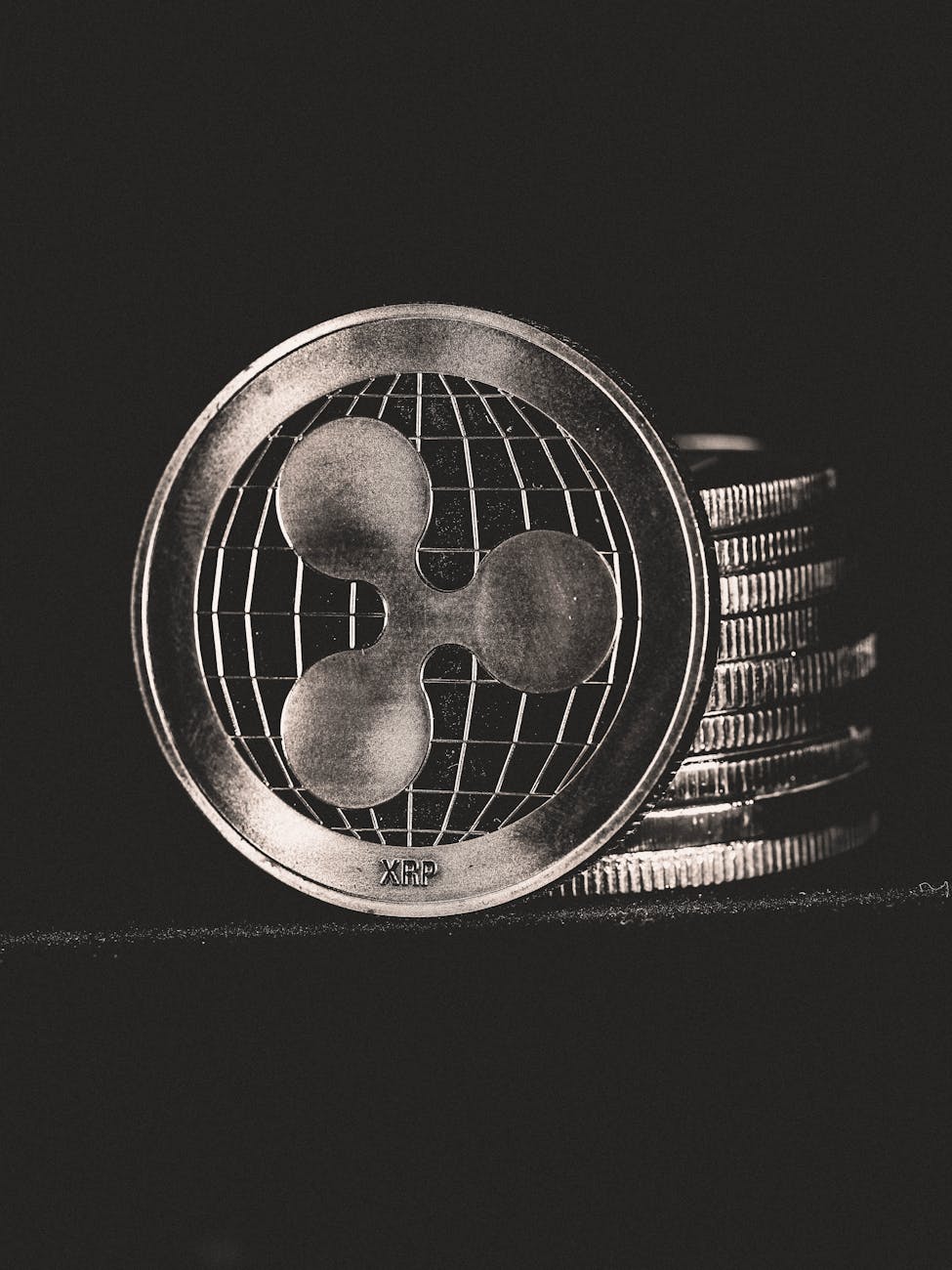
Ripple Enhances Treasury Platforms with XRP Integration
Ripple has integrated its digital asset XRP into its enterprise treasury platforms as of March 2026, establishing the token as a crucial liquidity asset for real-time cash management among corporate treasurers.
This strategic move enables treasurers to instantly settle payments, provision liquidity, and hedge financial exposures, fundamentally altering traditional short-term funding methods and increasing Ripple’s influence within large-scale financial institutions. The integration aligns with evolving settlement practices, underscoring Ripple’s growing role in the blockchain finance sector, according to Ripple.
Implications for Corporate Treasury Operations
With this development, Ripple is targeting efficiency in corporate treasury operations. The real-time liquidity access via XRP enables treasurers to manage capital more effectively during volatile market conditions. The integration positions XRP as an attractive alternative to traditional cash reserves, providing firms with a more agile framework for handling short-term cash flow demands.
Major corporations are increasingly looking for ways to leverage blockchain technology to optimize their liquidity management practices. Ripple’s strategy to incorporate XRP lays the groundwork for enhanced transaction speeds and lower costs compared with conventional banking methods, which often suffer from slow settlement times.
This move is part of a broader trend where financial institutions are looking to adopt digital assets in their operational frameworks. According to analysts, the shift toward cryptocurrencies signifies a necessary evolution in treasury management as companies seek innovative solutions to navigate market complexities. Furthermore, firms like Franklin Templeton are acquiring digital asset firms to enhance their crypto management capabilities, which indicates a growing institutional acceptance of blockchain technologies.
What Lies Ahead for XRP and Ripple
Experts predict that as more corporations turn to Ripple’s integrated treasury solutions, XRP adoption will likely accelerate. The online payments landscape remains competitive, and companies prioritizing operational efficiency may gravitate towards Ripple’s services.
Moreover, Ripple’s integration of XRP could set the stage for a more robust market for digital assets in corporate finance. As blockchain technology continues to mature, it is anticipated that additional institutions will explore integrating similar solutions. This trend may catalyze further advancements in tokenization and financial services offered via blockchain, reinforcing XRP’s place within this evolving ecosystem.